What does Psalms 27:4 mean?
"One thing have I desired of the LORD, that will I seek after; that I may dwell in the house of the LORD all the days of my life, to behold the beauty of the LORD, and to enquire in his temple." - Psalms 27:4
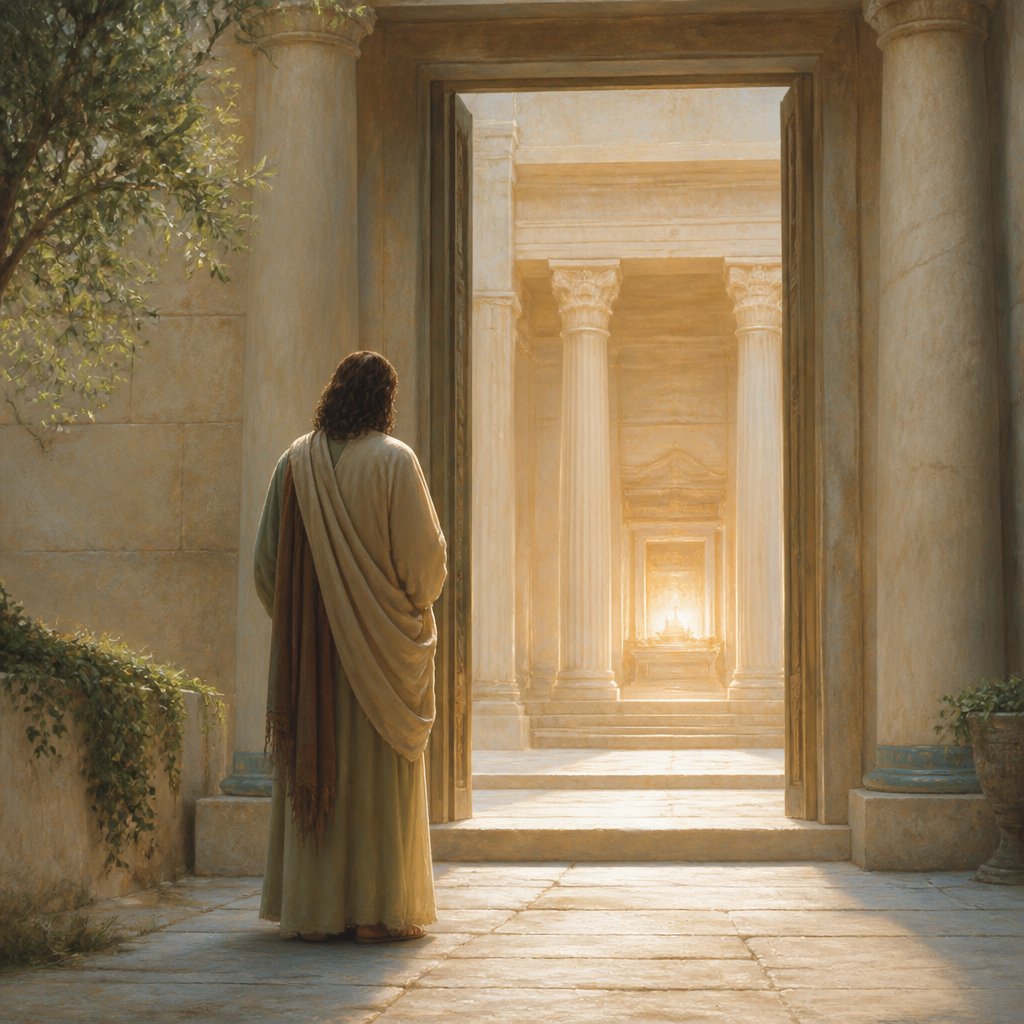
Psalm 27 is a psalm of David that moves like a single prayer with changing weather: it begins with fearless confidence in the LORD, passes through the reality of enemies and trouble, and returns again to calm trust. In the middle of that movement stands Psalm 27:4 as the psalm’s heart-desire, the one request David names as the organizing aim of his life. In the KJV it reads: “One thing have I desired of the LORD, that will I seek after; that I may dwell in the house of the LORD all the days of my life, to behold the beauty of the LORD, and to enquire in his temple.”
The verse is built around the phrase “One thing,” which does not mean David has no other needs, fears, or petitions, because the rest of the psalm plainly mentions adversaries, warfare, false witnesses, and the strain of waiting. Rather, “One thing” declares priority. David gathers all the scattered concerns of life into a single controlling desire: the LORD Himself. The difference is not that other matters vanish, but that they are placed beneath one supreme pursuit. That is why the verse joins desire and action: “have I desired” and “that will I seek after.” In KJV language, desire is not treated as mere feeling; it becomes a chosen direction. David’s inward longing becomes an outward quest, a steady seeking that does not depend on momentary ease or danger.
When David says, “that I may dwell in the house of the LORD all the days of my life,” he is expressing more than a wish to occupy a sacred building. In the Old Testament world, “the house of the LORD” names the appointed place of God’s worship and the special sign of His presence among His people. To “dwell” there is to live in nearness, to belong, to remain under God’s shelter and rule. David, as a king and a man of conflict, could not literally live every day inside the sanctuary, yet his language reaches beyond the merely literal to a spiritual posture: a life lived as though always before God, always oriented to His presence. It is also a desire for permanence. Many securities fail “all the days of my life,” but David seeks the one abiding refuge where days are held together by God’s faithfulness rather than by circumstances.
The next clause gives the purpose of that dwelling: “to behold the beauty of the LORD.” “Behold” in KJV is not a casual glance; it is attentive seeing, sustained contemplation. The “beauty of the LORD” is not physical form but the splendor of God’s character—His holiness, mercy, majesty, and goodness as they are made known in worship, in His works, and in His ways. David’s deepest hunger is not only protection from enemies but vision of God as God is to be adored. The word “beauty” also quietly contrasts the ugliness of violence and deceit described elsewhere in the psalm. Amid the disfiguring realities of fear, opposition, and slander, David seeks what cannot be marred: the radiant worth of the LORD. To behold that beauty is to have the soul re-ordered, because what a person truly “beholds” becomes what shapes desire, courage, and endurance.
Finally, David adds, “and to enquire in his temple.” In KJV usage, to “enquire” is to seek understanding, to ask, to consult. The temple is presented as the place where questions are brought into God’s light and where direction is received by reverent approach. This makes the verse strikingly balanced: David wants both adoration and guidance, both wonder and wisdom. He is not content with spiritual emotion without discernment, and he is not content with practical answers without worship. “Enquire” also implies that life is complex and often puzzling, and that the faithful response is not self-reliance but bringing the matter before the LORD. In the flow of Psalm 27, this is especially significant, because David is threatened and surrounded; his safety is not found merely by strategizing but by seeking God’s counsel and resting in God’s presence.
The symbolism of “house,” “temple,” and “dwelling” gathers themes of refuge, communion, and covenant. Earlier in the psalm David says that in the time of trouble God will hide him “in his pavilion” and “in the secret of his tabernacle” (Psalm 27:5, KJV). Psalm 27:4 explains why this is so central: the sanctuary imagery is not escapism but the truest security, because it is security rooted in God. The enemies are real, but they are not ultimate. The battlefield is real, yet it does not define David’s identity. What defines him is the presence of the LORD and the pursuit of Him.
Taken as a whole, Psalm 27:4 teaches that the life of faith is not merely the pursuit of deliverance, though deliverance is sought, nor merely the pursuit of blessings, though blessings come. It is the pursuit of God’s presence, God’s beauty, and God’s counsel as the “one thing” that orders all other things. In a psalm filled with conflict, this verse reveals the secret center of David’s courage: he can face the many because he is seeking the One.
Have questions about Psalms 27:4?
Dive deeper into this scripture with Bible Chat — an AI-powered tool for exploring God's Word through conversation. Ask questions, get context, and grow in your understanding of the Bible.
Get Our Apps


Psalms 27:4 Artwork

Psalms 27:4 - "One thing have I desired of the LORD, that will I seek after; that I may dwell in the house of the LORD all the days of my life, to behold the beauty of the LORD, and to enquire in his temple."
"One thing have I desired of the LORD, that will I seek after; that I may dwell in the house of the LORD all the days of my life, to behold the beauty of the LORD, and to enquire in his temple." - Psalms 27:4

Psalms 114:4 - "The mountains skipped like rams, and the little hills like lambs."

"For this was a statute for Israel, and a law of the God of Jacob." - Psalms 81:4

"For there are no bands in their death: but their strength is firm." - Psalms 73:4

"Also I will make him my firstborn, higher than the kings of the earth." - Psalms 89:27

Psalms 37:27 - "Depart from evil, and do good; and dwell for evermore."

Psalms 104:4 - "Who maketh his angels spirits; his ministers a flaming fire:"

"These wait all upon thee; that thou mayest give them their meat in due season." - Psalms 104:27

Psalms 105:27 - "They shewed his signs among them, and wonders in the land of Ham."

Psalms 107:27 - "They reel to and fro, and stagger like a drunken man, and are at their wits' end."

Psalms 109:27 - "That they may know that this is thy hand; that thou, LORD, hast done it."

Psalms 63:4 - "Thus will I bless thee while I live: I will lift up my hands in thy name."

Psalms 102:27 - "But thou art the same, and thy years shall have no end."

Psalms 106:27 - "To overthrow their seed also among the nations, and to scatter them in the lands."

"Offer the sacrifices of righteousness, and put your trust in the LORD." - Psalms 4:5

"They wandered in the wilderness in a solitary way; they found no city to dwell in." - Psalms 107:4

"He rained flesh also upon them as dust, and feathered fowls like as the sand of the sea:" - Psalms 78:27

"As arrows are in the hand of a mighty man; so are children of the youth." - Psalms 127:4

Psalms 69:27 - "Add iniquity unto their iniquity: and let them not come into thy righteousness."

Psalms 89:27 - "Also I will make him my firstborn, higher than the kings of the earth."

Psalms 68:27 - "There is little Benjamin with their ruler, the princes of Judah and their council, the princes of Zebulun, and the princes of Naphtali."

Psalms 27:9 - "Hide not thy face far from me; put not thy servant away in anger: thou hast been my help; leave me not, neither forsake me, O God of my salvation."

Psalms 23:4

"The mountains skipped like rams, and the little hills like lambs." - Psalms 114:4

Psalms 18:27 - "For thou wilt save the afflicted people; but wilt bring down high looks."

Psalms 104:27 - "These wait all upon thee; that thou mayest give them their meat in due season."
"Man is like to vanity: his days are as a shadow that passeth away." - Psalms 144:4
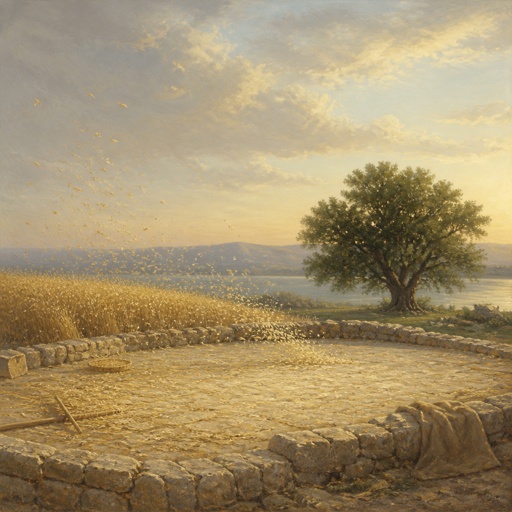
"The ungodly are not so: but are like the chaff which the wind driveth away." - Psalms 1:4
"His lightnings enlightened the world: the earth saw, and trembled." - Psalms 97:4