What does Psalms 28:7 mean?
"The LORD is my strength and my shield; my heart trusted in him, and I am helped: therefore my heart greatly rejoiceth; and with my song will I praise him." - Psalms 28:7

“Psalm 28:7” in the King James Version reads, “The LORD is my strength and my shield; my heart trusted in him, and I am helped: therefore my heart greatly rejoiceth; and with my song will I praise him.”
In its immediate context, this verse comes from a psalm of David that moves from urgent pleading into confident thanksgiving. Earlier in Psalm 28, David cries to the LORD not to be silent toward him, and he asks to be heard when he lifts up his hands toward God’s holy oracle. He is surrounded by the presence and pressure of wickedness, and he fears being “drawn away” with those who speak peace while harboring mischief. The psalm therefore begins in the tone of a man who knows that if God does not answer, he will be like those who go down into the pit. Psalm 28:7 marks the decisive turn: the plea gives way to assurance. “The LORD… is” signals settled conviction, not mere wish. It is the voice of faith that has found its footing, whether through a received answer, remembered deliverance, or the inward certainty that God has heard. The verse is significant because it captures the spiritual movement from distress to doxology, from vulnerability to stability, by tracing it through the character of God and the response of the believer.
The central theme is the LORD Himself as the source of what David lacks in himself. “The LORD is my strength” speaks to God not only as One who gives strength, but as Strength—personal, present power for endurance, obedience, and deliverance. David does not first say that his circumstances changed; he declares who God is to him in the midst of them. In a psalm where silence from heaven feels like death, the confession of God as “my strength” declares that life and ability are not finally rooted in David’s own resolve. The verse also holds together inner and outer realities. Strength addresses weakness within: fear, faintness, the inability to stand. It implies that David’s preservation is not self-generated. It is the LORD who enables him to remain upright, faithful, and undestroyed.
“The LORD is… my shield” adds the theme of protection. A shield is not primarily a weapon for attack but a defense against incoming blows. In the setting of the psalm, David is concerned about the violent intent of evildoers and the injustice of being swept into their judgment. The shield image symbolizes God’s guarding presence between David and what would otherwise strike him. It suggests nearness: a shield must be held close, positioned consciously. So the LORD is pictured as intimately involved in David’s peril, not distant. The shield also implies that danger is real; David is not pretending there are no arrows. Faith here is not denial; it is refuge. By calling God “my shield,” David claims God’s personal commitment to his safety—not merely as a general doctrine, but as a relationship: the shield is “my” shield.
The verse then turns from God’s identity to David’s inward response: “my heart trusted in him, and I am helped.” In Psalm 28, the “heart” is the seat of the true self—desires, fears, decisions, and worship. David’s trust is not mere external formality; it is the heart’s reliance. This is crucial for the psalm’s moral atmosphere, because David has contrasted himself with those who “speak peace… but mischief is in their hearts.” Psalm 28:7 answers that contrast with a different heart: a heart that trusts. The verse therefore carries a theme of integrity. Where the wicked have divided hearts, David claims a heart that leans wholly upon the LORD. Trust is presented as the human posture that meets the divine provision. “And I am helped” is the fruit: God’s help is not abstract; it is experienced, actual assistance. It implies that the LORD’s strength and shield are not only titles but active realities that intervene.
Because help has come, David’s inner world changes: “therefore my heart greatly rejoiceth.” The logic is explicit. Trust leads to help; help leads to joy. Rejoicing here is not shallow excitement but the deep relief and gladness that rises when a threatened life is secured by God. The word “greatly” intensifies it: the joy is abundant because the danger felt great, and the rescue is recognized as God’s. This rejoicing also reflects something important about worship in the Psalms: deliverance is meant to terminate in delight in God, not merely in a return to comfort. David does not only say he is safe; he says his heart rejoices. The focus is not simply the change in outcomes but the restoration of communion—God has heard, God has acted, God has shown Himself faithful.
Finally, “and with my song will I praise him” brings the verse to its outward expression. What is in the heart becomes what is on the lips. Song in the Psalms is not decoration; it is testimony and tribute. Praise “with my song” indicates that gratitude seeks a fitting form—something memorable, public, and God-centered. In a psalm where David earlier feared being numbered with the wicked, praise becomes a distinguishing mark: the rescued man becomes a worshiping man. The song also serves as a witness to others that the LORD hears and helps. It turns personal deliverance into communal instruction, since the Psalms are written to be sung among God’s people. Thus the verse holds together private experience and public confession: the LORD’s help is received in the heart and then declared in praise.
Symbolically, the movement of Psalm 28:7 can be seen as a chain of spiritual cause and effect: the LORD’s character as strength and shield grounds trust; trust meets divine help; help produces joy; joy overflows in praise. Each piece interprets the others. Strength without shield could suggest mere internal fortitude, but shield insists on protection from real threats. Trust without help could be mere optimism, but “I am helped” anchors it in God’s action. Joy without praise could remain self-contained, but song directs the joy back to God as its source. The verse is therefore significant because it models biblical faith as relational and responsive: God is not approached merely for outcomes, but recognized, trusted, experienced, and worshiped.
Within the larger frame of Psalm 28, this verse is also part of the psalm’s transition into blessing and intercession. Immediately after this expression of personal deliverance, David speaks of the LORD as strength not only to him but to “his people,” and he becomes an intercessor: “Save thy people… bless thine inheritance… feed them also, and lift them up for ever.” Psalm 28:7 thus stands at the hinge between the individual cry and the communal concern. Having found the LORD to be strength and shield for himself, David can ask the same for the whole covenant community. The personal assurance becomes the ground for broader prayer, showing that God’s faithfulness to one encourages faith for all.
Taken together, Psalm 28:7 teaches that in the face of threats, injustice, and fear of abandonment, the believer’s security is not first in changed circumstances but in the LORD’s steadfast identity; that true trust is an act of the heart rather than a mask; that God’s help is real and knowable; and that the proper end of deliverance is rejoicing that spills into praise. It is a verse that turns danger into worship, not by minimizing the danger, but by magnifying the LORD as strength and shield, and by showing how answered prayer transforms the inner life and the voice of the redeemed.
Have questions about Psalms 28:7?
Dive deeper into this scripture with Bible Chat — an AI-powered tool for exploring God's Word through conversation. Ask questions, get context, and grow in your understanding of the Bible.
Get Our Apps


Psalms 28:7 Artwork
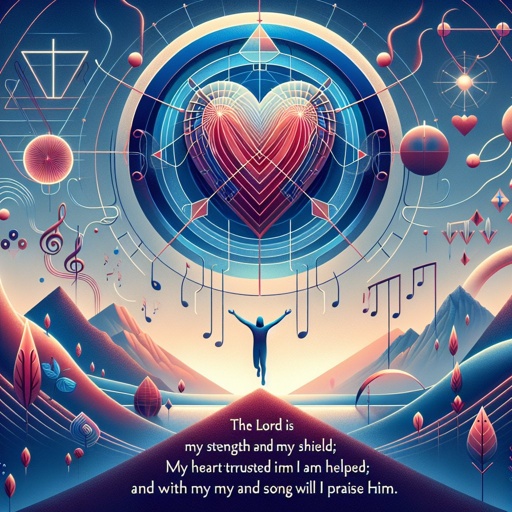
Psalms 28:7 - "The LORD is my strength and my shield; my heart trusted in him, and I am helped: therefore my heart greatly rejoiceth; and with my song will I praise him."

Jehová es mi fortaleza y mi escudo; En él confió mi corazón, y fui ayudado, Por lo que se gozó mi corazón, Y con mi cántico le alabaré. Salmos 28:7

"The LORD is my strength and my shield; my heart trusted in him, and I am helped: therefore my heart greatly rejoiceth; and with my song will I praise him." - Psalms 28:7

Psalms 20 7
psalm 80:1-7

"The LORD is their strength, and he is the saving strength of his anointed." - Psalms 28:8

"He sent darkness, and made it dark; and they rebelled not against his word." - Psalms 105:28

Psalms 98:7 - "Let the sea roar, and the fulness thereof; the world, and they that dwell therein."

"Let them be blotted out of the book of the living, and not be written with the righteous." - Psalms 69:28

"They joined themselves also unto Baal-peor, and ate the sacrifices of the dead." - Psalms 106:28

"All sheep and oxen, yea, and the beasts of the field;" - Psalms 8:7

Psalms 12:7 - "Thou shalt keep them, O LORD, thou shalt preserve them from this generation for ever."

Psalms 22:28 - "For the kingdom is the LORD'S: and he is the governor among the nations."

Psalms 28:8 - "The LORD is their strength, and he is the saving strength of his anointed."

Psalms 78:28 - "And he let it fall in the midst of their camp, round about their habitations."

Psalms 69:28 - "Let them be blotted out of the book of the living, and not be written with the righteous."

"Gebal, and Ammon, and Amalek; the Philistines with the inhabitants of Tyre;" - Psalms 83:7

Psalms 106:28 - "They joined themselves also unto Baal-peor, and ate the sacrifices of the dead."

Psalms 107:28 - "Then they cry unto the LORD in their trouble, and he bringeth them out of their distresses."

Psalms 28:6 - "Blessed be the LORD, because he hath heard the voice of my supplications."

Psalms 105:28 - "He sent darkness, and made it dark; and they rebelled not against his word."

"So shall the congregation of the people compass thee about: for their sakes therefore return thou on high." - Psalms 7:7

Psalms 88:7 - "Thy wrath lieth hard upon me, and thou hast afflicted me with all thy waves. Selah."

"My mercy will I keep for him for evermore, and my covenant shall stand fast with him." - Psalms 89:28
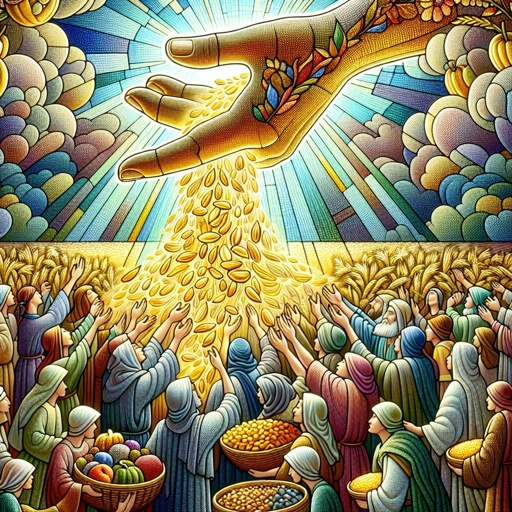
Psalms 104:28 - "That thou givest them they gather: thou openest thine hand, they are filled with good."

Psalms 102:28 - "The children of thy servants shall continue, and their seed shall be established before thee."

"We will go into his tabernacles: we will worship at his footstool." - Psalms 132:7

Psalms 22:7
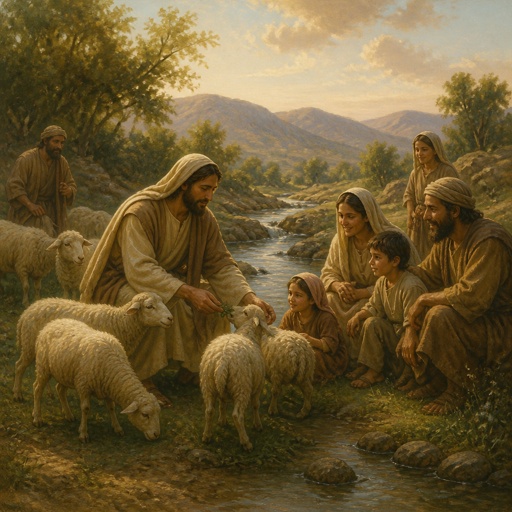
"Save thy people, and bless thine inheritance: feed them also, and lift them up for ever." - Psalms 28:9

Psalms 37:7