What does Psalms 2:3 mean?
"Let us break their bands asunder, and cast away their cords from us." - Psalms 2:3
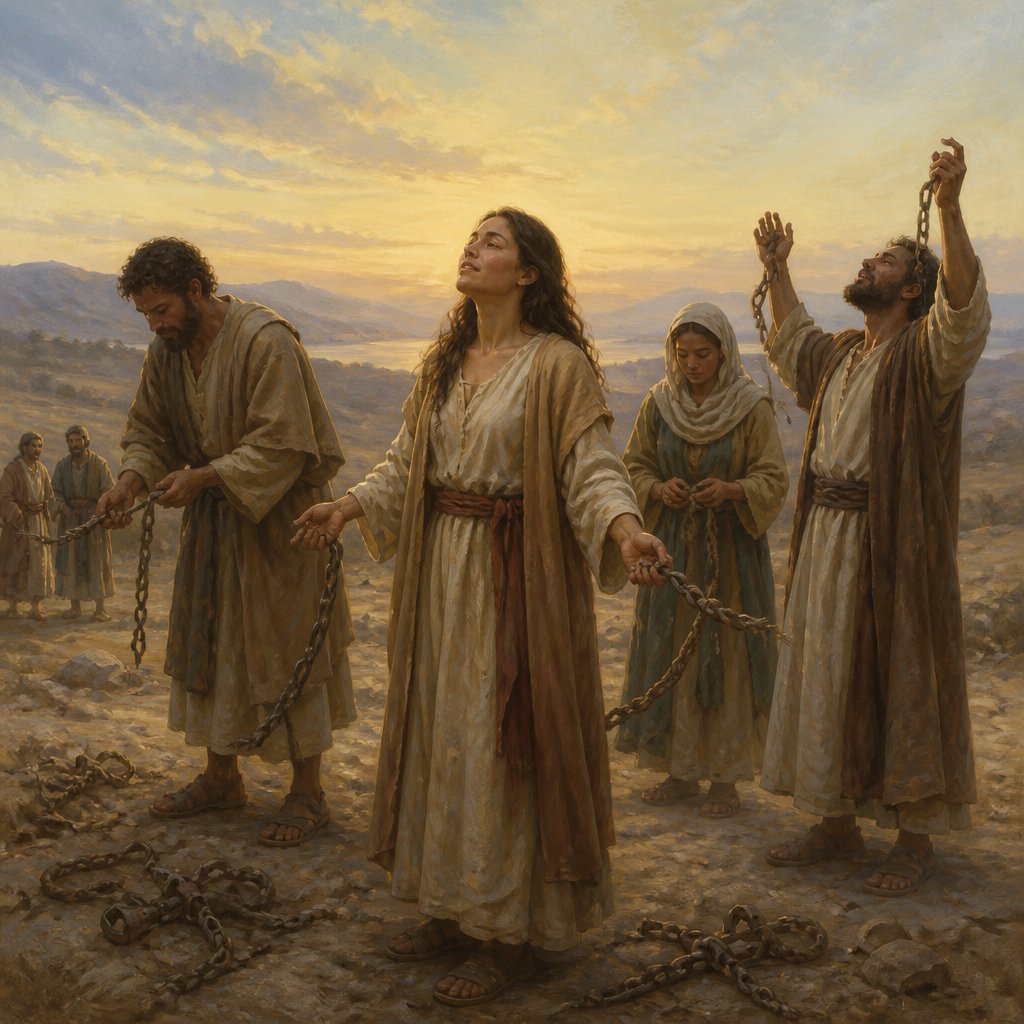
Psalms 2:3 (KJV) states, "Let us break their bands asunder, and cast away their cords from us." This verse is part of a larger passage that reflects the frustration and rebellion of the nations against God and His anointed one.
To fully understand the meaning and commentary of this verse, it is important to consider the broader context of the entire psalm. Psalm 2 is a royal psalm that speaks of the sovereignty and reign of God and His chosen king. It emphasizes the futility and foolishness of rebelling against God and His authority.
The psalm begins with the declaration that the nations are in tumult and the kings of the earth take their stand against the Lord and His anointed one (v. 2). The phrase "Let us break their bands asunder, and cast away their cords from us," in verse 3, reflects the rebellious attitude of the nations and their desire to throw off the yoke of God's authority and control.
The "bands" and "cords" mentioned in this verse symbolize the restrictions and boundaries that God imposes on the nations. The rebellious cry of "breaking their bands" and "casting away their cords" conveys the nations' desire to free themselves from God's rule and establish their own autonomy and independence. This rebellious attitude is a recurring theme throughout the history of humanity, as people often seek to assert their own will and reject God's authority.
The historical context of this psalm is also important to consider. Many scholars believe that Psalm 2 was written during the time of King David or King Solomon, as it reflects the tension and conflict between the Israelites and the surrounding nations. The kings and rulers of the surrounding nations sought to assert their power and authority over Israel, which is reflected in the rebellious sentiment expressed in this psalm. This historical context adds depth and relevance to the psalm, as it speaks to the ongoing struggle between God's sovereignty and the rebellion of humanity.
The themes of sovereignty, rebellion, and the consequences of defying God are central to the message of Psalm 2. The psalm serves as a reminder of God's ultimate authority and the futility of human rebellion. It also emphasizes the importance of submitting to God's rule and acknowledging His sovereignty.
In the Christian tradition, Psalm 2 is also interpreted as a Messianic psalm, pointing to Jesus Christ as the ultimate anointed king who will reign over all nations. The New Testament references Psalm 2 in the context of Jesus' authority and reign as the Son of God. This adds a layer of significance to the psalm, as it foreshadows the coming of the Messiah and His ultimate victory over the rebellious nations.
In summary, Psalm 2:3 (KJV) is a powerful declaration of the rebellious attitude of the nations and their desire to cast off God's authority. The verse reflects the timeless struggle between God's sovereignty and human rebellion, as well as the consequences of defying God's rule. It serves as a poignant reminder of the importance of submitting to God's authority and acknowledging His ultimate sovereignty. The historical and Messianic contexts add depth and significance to the psalm, making it a timeless and relevant message for all generations.
Have questions about Psalms 2:3?
Dive deeper into this scripture with Bible Chat — an AI-powered tool for exploring God's Word through conversation. Ask questions, get context, and grow in your understanding of the Bible.
Get Our Apps


Psalms 2:3 Artwork

Psalms 2:3 - "Let us break their bands asunder, and cast away their cords from us."
"Let us break their bands asunder, and cast away their cords from us." - Psalms 2:3

Psalms 81:2 - "Take a psalm, and bring hither the timbrel, the pleasant harp with the psaltery."
"Many there be which say of my soul, There is no help for him in God. Selah." - Psalms 3:2
Psalms 111:3 - "His work is honourable and glorious: and his righteousness endureth for ever."

Psalms 3:2 - "Many there be which say of my soul, There is no help for him in God. Selah."

Psalms 88:3 - "For my soul is full of troubles: and my life draweth nigh unto the grave."

Psalms 103:3 - "Who forgiveth all thine iniquities; who healeth all thy diseases;"

Psalms 87:3 - "Glorious things are spoken of thee, O city of God. Selah."
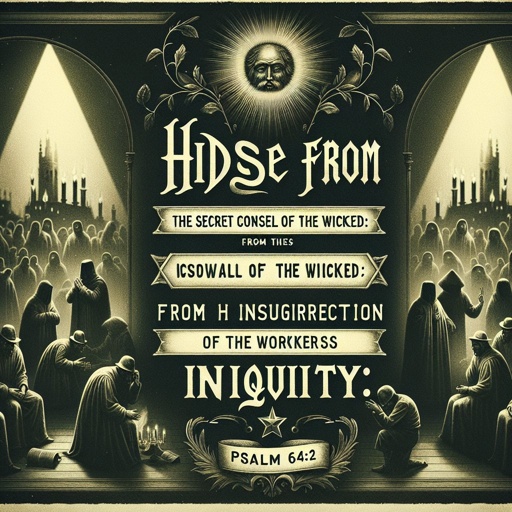
Psalms 64:2 - "Hide me from the secret counsel of the wicked; from the insurrection of the workers of iniquity:"
Psalms 115:2 - "Wherefore should the heathen say, Where is now their God?"

"Take a psalm, and bring hither the timbrel, the pleasant harp with the psaltery." - Psalms 81:2

Psalms 67:3 - "Let the people praise thee, O God; let all the people praise thee."

Psalms 116:3 - "The sorrows of death compassed me, and the pains of hell gat hold upon me: I found trouble and sorrow."

"The sea saw it, and fled: Jordan was driven back." - Psalms 114:3

Psalms 138:3 - "In the day when I cried thou answeredst me, and strengthenedst me with strength in my soul."

"There is no speech nor language, where their voice is not heard." - Psalms 19:3

"Great is the LORD, and greatly to be praised; and his greatness is unsearchable." - Psalms 145:3

"He healeth the broken in heart, and bindeth up their wounds." - Psalms 147:3

Psalms 54:2 - "Hear my prayer, O God; give ear to the words of my mouth."

"Lo, children are an heritage of the LORD: and the fruit of the womb is his reward." - Psalms 127:3

Psalms 149:2 - "Let Israel rejoice in him that made him: let the children of Zion be joyful in their King."
Psalms 56:3

"But thou art holy, O thou that inhabitest the praises of Israel." - Psalms 22:3

"What time I am afraid, I will trust in thee." - Psalms 56:3

"Let the house of Aaron now say, that his mercy endureth for ever." - Psalms 118:3

"The mountains shall bring peace to the people, and the little hills, by righteousness." - Psalms 72:3

Psalms 147:3

"Praise him with the sound of the trumpet: praise him with the psaltery and harp." - Psalms 150:3

Psalms 5:2 - "Hearken unto the voice of my cry, my King, and my God: for unto thee will I pray."