What does Psalms 2:7 mean?
"I will declare the decree: the LORD hath said unto me, Thou art my Son; this day have I begotten thee." - Psalms 2:7
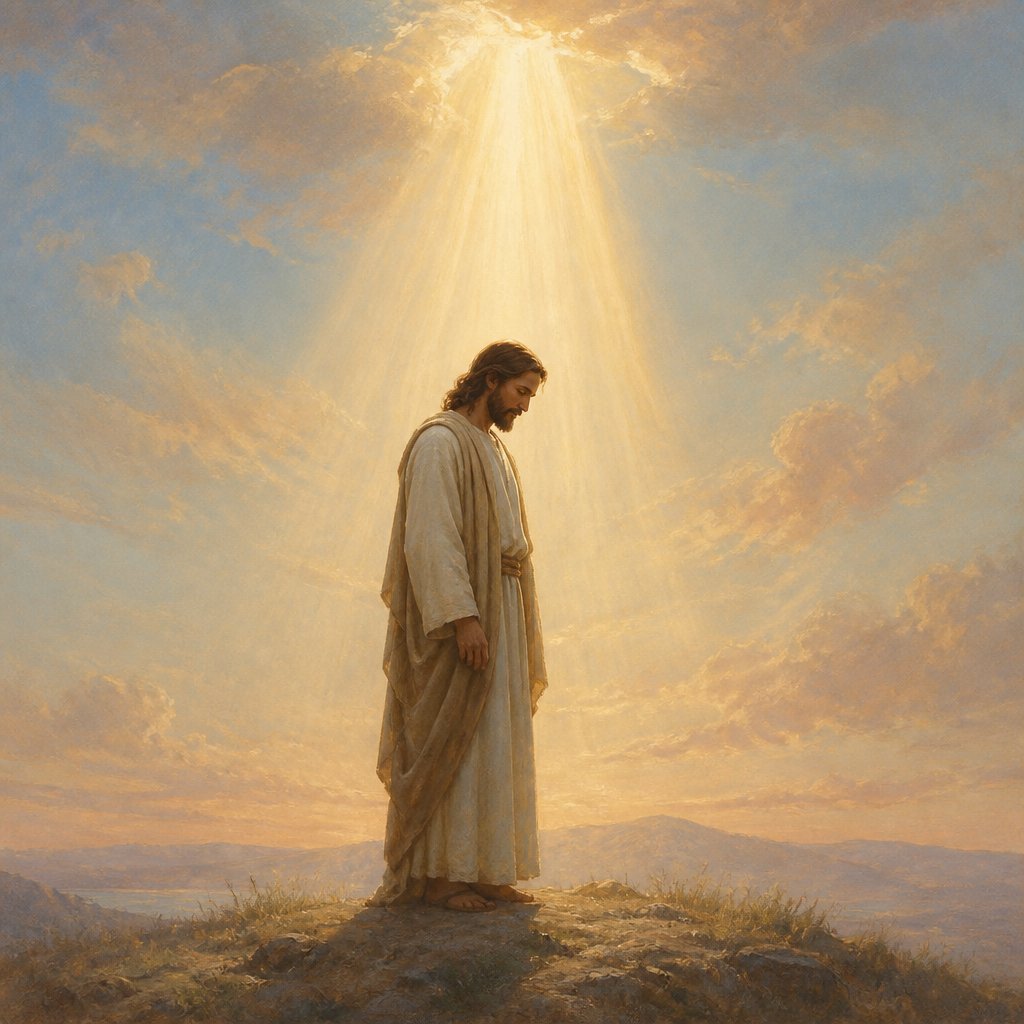
Psalms 2:7 (KJV) reads, "I will declare the decree: the Lord hath said unto me, Thou art my Son; this day have I begotten thee." This powerful verse is found in the second chapter of the book of Psalms, which is a collection of poems and songs attributed to King David. This particular psalm is unique in that it is both a royal psalm and a prophetic psalm, speaking about the kingship of the Lord's anointed.
In this verse, the speaker is declaring a decree that has been given to him by the Lord. The Lord has spoken to the speaker, saying, "Thou art my Son; this day have I begotten thee." This declaration is a profound statement of the divine relationship between the Lord and the anointed figure, who is often interpreted as a reference to the Messiah or the coming king of Israel.
The theme of kingship and the relationship between God and the king is prevalent throughout this psalm. The psalmist describes the nations and peoples plotting against the Lord and His anointed, seeking to break their bonds and cast away their cords. Despite the rebellion of the nations, the Lord declares that He has set His king on Zion, His holy hill, and will give him the nations as his inheritance and the ends of the earth as his possession.
The identification of the king as the "Son" of God in Psalms 2:7 has significant theological and prophetic implications. In the Christian tradition, this verse is often seen as a messianic prophecy, pointing to the future coming of Jesus Christ as the Son of God and the rightful king of the world. This interpretation is informed by the New Testament's understanding of Jesus as the anointed one, the Son of God, and the fulfillment of Old Testament prophecies.
Furthermore, this verse also reflects the concept of divine adoption, where the king is named as the Son of God in a special and unique way. The language of "begotten" carries connotations of divine paternity and uniqueness, emphasizing the special relationship between the Lord and the anointed king.
Symbolically, the declaration of the king as the Son of God speaks to the authority, power, and divine right of the anointed ruler. It underscores the king's special relationship with God and his role as the chosen representative of the Lord on earth. The psalm presents the image of the king as the divine representative and leader, with the authority to rule and to establish God's kingdom on earth.
In its historical and cultural context, Psalms 2:7 would have been particularly meaningful to the ancient Israelites, who were awaiting the coming of the promised Messiah and the establishment of God's kingdom on earth. The verse would have conveyed hope and confidence in the Lord's promise to raise up a righteous and just king who would rule over the nations and bring about God's purposes.
In conclusion, Psalms 2:7 is a rich and profound verse that speaks to the themes of kingship, divine relationship, and prophecy. It declares the special relationship between the Lord and His anointed king, emphasizing the king's divine authority and the promise of God's kingdom. The verse has profound theological significance within the Christian tradition, as it is often understood as a Messianic prophecy pointing to the coming of Jesus Christ. Overall, Psalms 2:7 is a powerful statement of faith in God's redemptive plan and the establishment of His kingdom on earth.
Have questions about Psalms 2:7?
Dive deeper into this scripture with Bible Chat — an AI-powered tool for exploring God's Word through conversation. Ask questions, get context, and grow in your understanding of the Bible.
Get Our Apps


Psalms 2:7 Artwork

Psalms 2:7 - "I will declare the decree: the LORD hath said unto me, Thou art my Son; this day have I begotten thee."
"I will declare the decree: the LORD hath said unto me, Thou art my Son; this day have I begotten thee." - Psalms 2:7

Psalms 20 7

Psalms 81:2 - "Take a psalm, and bring hither the timbrel, the pleasant harp with the psaltery."
psalm 80:1-7
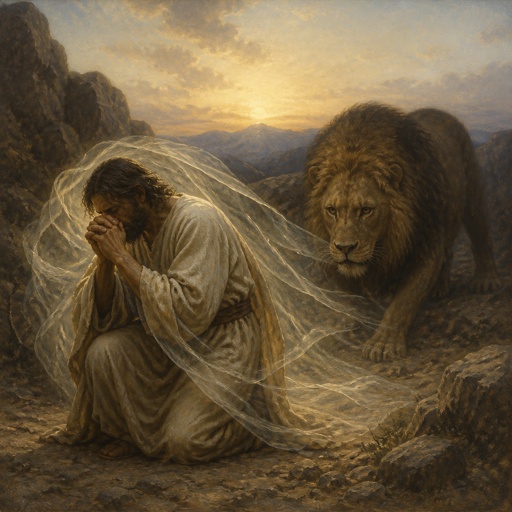
"Lest he tear my soul like a lion, rending it in pieces, while there is none to deliver." - Psalms 7:2

Psalms 7:2 - "Lest he tear my soul like a lion, rending it in pieces, while there is none to deliver."

Psalms 98:7 - "Let the sea roar, and the fulness thereof; the world, and they that dwell therein."

"All sheep and oxen, yea, and the beasts of the field;" - Psalms 8:7

Psalms 12:7 - "Thou shalt keep them, O LORD, thou shalt preserve them from this generation for ever."
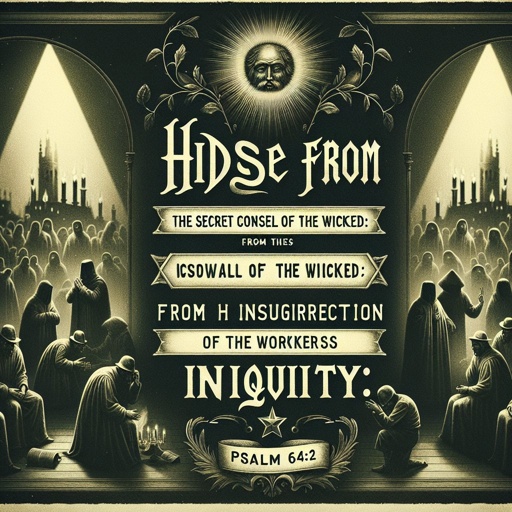
Psalms 64:2 - "Hide me from the secret counsel of the wicked; from the insurrection of the workers of iniquity:"
Psalms 115:2 - "Wherefore should the heathen say, Where is now their God?"

"Take a psalm, and bring hither the timbrel, the pleasant harp with the psaltery." - Psalms 81:2

"Gebal, and Ammon, and Amalek; the Philistines with the inhabitants of Tyre;" - Psalms 83:7

"So shall the congregation of the people compass thee about: for their sakes therefore return thou on high." - Psalms 7:7

Psalms 88:7 - "Thy wrath lieth hard upon me, and thou hast afflicted me with all thy waves. Selah."

"We will go into his tabernacles: we will worship at his footstool." - Psalms 132:7

Psalms 22:7

Psalms 54:2 - "Hear my prayer, O God; give ear to the words of my mouth."

Psalms 37:7

Psalms 42:7 (ESV) 7 Deep calls to deep at the roar of your waterfalls; all your breakers and your waves have gone over me.

"Let the sea roar, and the fulness thereof; the world, and they that dwell therein." - Psalms 98:7

"Will the Lord cast off for ever? and will he be favourable no more?" - Psalms 77:7

Psalms 149:2 - "Let Israel rejoice in him that made him: let the children of Zion be joyful in their King."

Psalms 25:7 - "Remember not the sins of my youth, nor my transgressions: according to thy mercy remember thou me for thy goodness' sake, O LORD."

"Lo, then would I wander far off, and remain in the wilderness. Selah." - Psalms 55:7

"The LORD of hosts is with us; the God of Jacob is our refuge. Selah." - Psalms 46:7

"Praise the LORD from the earth, ye dragons, and all deeps:" - Psalms 148:7

"Let Israel hope in the LORD: for with the LORD there is mercy, and with him is plenteous redemption." - Psalms 130:7

"Then said I, Lo, I come: in the volume of the book it is written of me," - Psalms 40:7