What does Psalms 2:9 mean?
"Thou shalt break them with a rod of iron; thou shalt dash them in pieces like a potter's vessel." - Psalms 2:9

Psalms 2:9 in the King James Version (KJV) reads, "Thou shalt break them with a rod of iron; thou shalt dash them in pieces like a potter's vessel." This verse is part of a larger passage that depicts the triumph and reign of God's anointed king. The psalmist explores the themes of power, authority, and the inevitable judgment of those who rebel against God.
The context of this verse is important for understanding its meaning. Psalm 2 opens with the question, "Why do the heathen rage, and the people imagine a vain thing?" It goes on to describe the rulers and nations of the earth conspiring against the Lord and His anointed. Despite their rebellion, God responds with derision and wrath, reaffirming His sovereignty and ultimately declaring His appointed king's dominion over the earth.
The verse in question, Psalms 2:9, speaks to the divine retribution and judgment that awaits those who defy God's authority. The imagery of breaking with a rod of iron and dashing in pieces like a potter's vessel conveys the absolute and irrevocable destruction of the wicked. The use of these violent metaphors underscores the severity of God's judgment and the futility of resisting His will.
The themes of power and authority are central to this verse. The rod of iron symbolizes the unyielding strength and dominion of God's rule. In ancient times, an iron rod was a symbol of sovereign power and justice, and it conveys the idea of uncompromising strength and unchallengeable authority. The image of dashing in pieces like a potter's vessel further emphasizes the absolute and final nature of God's judgment. Like a potter shaping and shattering a vessel, God has complete control over the destinies of individuals and nations, and those who oppose Him will be utterly destroyed.
Moreover, this verse also carries a message of hope and assurance for the righteous. It affirms that God's justice and sovereignty will ultimately prevail, and that the wicked will be held accountable for their rebellion. In the grand narrative of God's redemptive plan, this verse foreshadows the ultimate victory of His anointed king and the establishment of His righteous kingdom.
In a broader theological sense, Psalms 2:9 points to the fulfillment of God's promises and the ultimate triumph of His purposes. It serves as a reminder that God's authority and justice are unshakeable, and that His righteous rule will inevitably come to fruition. It encourages believers to trust in God's sovereignty and to take refuge in His righteousness, even in the face of opposition and adversity.
In conclusion, Psalms 2:9 in the King James Version is a powerful and evocative verse that encapsulates the themes of God's sovereignty, judgment, and the triumph of His anointed king. Its vivid imagery and forceful language serve to reinforce the absolute and unyielding authority of God and His ultimate victory over the rebellious forces of the world. It stands as a testament to the enduring relevance of the psalms in articulating timeless truths about the nature of God and His redemptive plan for humanity.
Have questions about Psalms 2:9?
Dive deeper into this scripture with Bible Chat — an AI-powered tool for exploring God's Word through conversation. Ask questions, get context, and grow in your understanding of the Bible.
Get Our Apps


Psalms 2:9 Artwork

Psalms 2:9 - "Thou shalt break them with a rod of iron; thou shalt dash them in pieces like a potter's vessel."

"Thou shalt break them with a rod of iron; thou shalt dash them in pieces like a potter's vessel." - Psalms 2:9

Psalms 9:1-2

Psalms 107:9

Psalms 81:2 - "Take a psalm, and bring hither the timbrel, the pleasant harp with the psaltery."

"The LORD also will be a refuge for the oppressed, a refuge in times of trouble." - Psalms 9:9

Psalms 9:2 - "I will be glad and rejoice in thee: I will sing praise to thy name, O thou most High."

Psalms 59:9 - "Because of his strength will I wait upon thee: for God is my defence."

"Mountains, and all hills; fruitful trees, and all cedars:" - Psalms 148:9
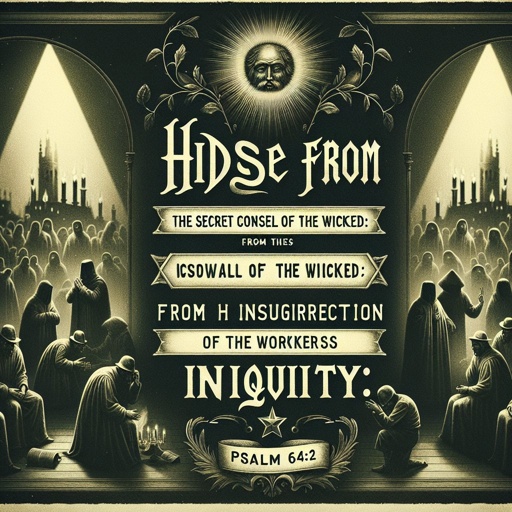
Psalms 64:2 - "Hide me from the secret counsel of the wicked; from the insurrection of the workers of iniquity:"
Psalms 115:2 - "Wherefore should the heathen say, Where is now their God?"

"Take a psalm, and bring hither the timbrel, the pleasant harp with the psaltery." - Psalms 81:2

Psalms 9:5 - "Thou hast rebuked the heathen, thou hast destroyed the wicked, thou hast put out their name for ever and ever."

Psalms 9:14 - "That I may shew forth all thy praise in the gates of the daughter of Zion: I will rejoice in thy salvation."

Psalms 107:9

Psalms 9:9 - "The LORD also will be a refuge for the oppressed, a refuge in times of trouble."

Psalms 107:9

"If I take the wings of the morning, and dwell in the uttermost parts of the sea;" - Psalms 139:9

Psalms 54:2 - "Hear my prayer, O God; give ear to the words of my mouth."

Psalms 149:2 - "Let Israel rejoice in him that made him: let the children of Zion be joyful in their King."

"They set their mouth against the heavens, and their tongue walketh through the earth." - Psalms 73:9

"O Israel, trust thou in the LORD: he is their help and their shield." - Psalms 115:9

"Gather not my soul with sinners, nor my life with bloody men:" - Psalms 26:9
"When God arose to judgment, to save all the meek of the earth. Selah." - Psalms 76:9

Psalms 6:9 - "The LORD hath heard my supplication; the LORD will receive my prayer."

"Save, LORD: let the king hear us when we call." - Psalms 20:9

"He will not always chide: neither will he keep his anger for ever." - Psalms 103:9

Psalms 88:9 - "Mine eye mourneth by reason of affliction: LORD, I have called daily upon thee, I have stretched out my hands unto thee."

"O LORD our Lord, how excellent is thy name in all the earth!" - Psalms 8:9

"Do unto them as unto the Midianites; as to Sisera, as to Jabin, at the brook of Kison:" - Psalms 83:9