What does Psalms 36:7 mean?
“How excellent is thy lovingkindness, O God! therefore the children of men put their trust under the shadow of thy wings.” — Psalms 36:7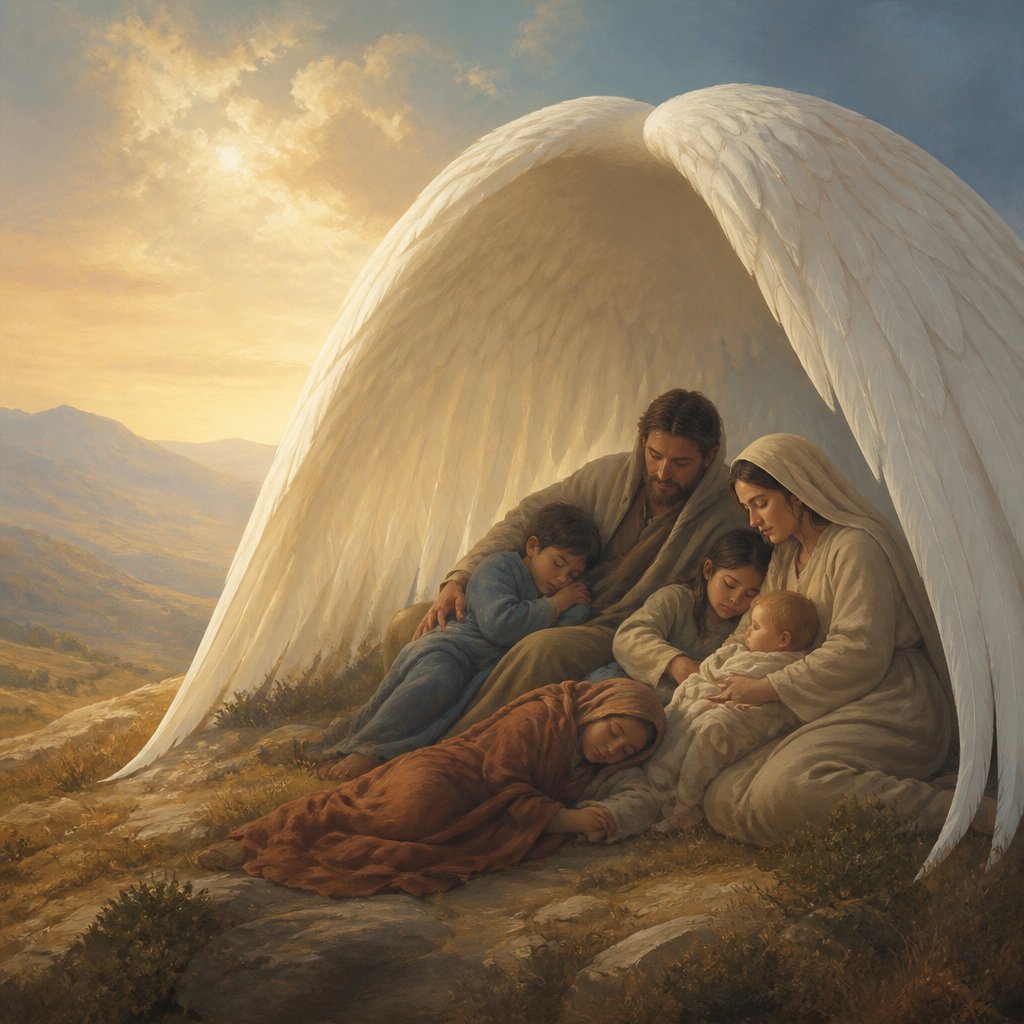
Psalm 36:7 in the King James Version reads, “How excellent is thy lovingkindness, O God! therefore the children of men put their trust under the shadow of thy wings.”
In its immediate context, this verse stands at the heart of a psalm that deliberately contrasts two worlds: the inner world of the wicked and the moral darkness that governs him, and the boundless character of God, whose goodness is as vast as creation itself. Earlier in Psalm 36, David describes the wicked man as one who has “no fear of God before his eyes” and who flatters himself into blindness, devising mischief even on his bed. Then, with a sudden turn upward, the psalm lifts its gaze to the Lord: “Thy mercy, O LORD, is in the heavens; and thy faithfulness reacheth unto the clouds.” Against the cramped, self-enclosed logic of sin, David sets the immeasurable reach of God’s mercy, faithfulness, righteousness, and judgments. Psalm 36:7 flows out of that vision. Because God’s “lovingkindness” is so excellent—so precious, so surpassing—human beings find in Him not merely an abstract virtue but a refuge.
The key word in the KJV, “lovingkindness,” speaks of God’s steadfast, covenantal mercy—His active, loyal goodness toward those who are His. David is not praising a vague sentiment. He is marveling at a quality of God that holds firm when human love fails and when human righteousness collapses. The verse begins as adoration: “How excellent is thy lovingkindness, O God!” This is worship born from contemplation. The excellence of God’s lovingkindness is not simply that it is pleasant, but that it is strong enough to shelter, faithful enough to be trusted, and abundant enough to be shared.
That leads directly to the “therefore.” Because God’s lovingkindness is excellent, “the children of men put their trust under the shadow of thy wings.” The phrase “children of men” widens the horizon. David is not speaking only of kings, priests, or unusually devout saints. He is speaking of human beings as human beings—frail, exposed, needing cover. The verse implies that the normal condition of the “children of men” is vulnerability, and the normal need of the “children of men” is refuge. In a psalm that begins with the wicked devising harm and lacking fear of God, this line quietly announces that safety is not found in cleverness, power, or self-justification, but in trusting the character of God.
The central symbolism, “under the shadow of thy wings,” is one of the Bible’s most tender images of divine protection. It evokes the picture of a mother bird gathering her young, covering them, hiding them from danger, warming them, and keeping them close. “Shadow” suggests relief, shelter, and concealment from threats that cannot be endured in the open. “Wings” suggest not only protection but nearness; to be under God’s wings is to be close enough to be covered by Him, not merely watched from a distance. The image also carries temple-like overtones within Scripture’s wider language, where God’s presence is associated with protective covering, and where nearness to Him means safety and life. In Psalm 36 itself, this idea of refuge under God’s wings fits naturally with what follows: satisfaction with “the fatness of thy house” and drinking from “the river of thy pleasures.” Trust under His wings becomes communion in His house; shelter becomes fellowship; protection becomes provision.
The verse is significant because it shows how theology becomes refuge. David’s meditation on God’s mercy “in the heavens” does not end in lofty language; it ends in a human response of trust. When God’s lovingkindness is seen as “excellent,” trust becomes reasonable and urgent. In a world where wickedness is real and where even the righteous are vulnerable, Psalm 36:7 presents God’s lovingkindness as both the reason to worship and the reason to rest. It portrays faith not primarily as intellectual assent, but as a movement into shelter—placing oneself where God’s character, like wings overhead, becomes the covering that makes life secure.
Get our apps


Artwork for Psalms 36:7

Psalms 36:7 - "How excellent is thy lovingkindness, O God! therefore the children of men put their trust under the shadow of thy wings."
"How excellent is thy lovingkindness, O God! therefore the children of men put their trust under the shadow of thy wings." - Psalms 36:7

Psalms 36 verse 3-6

Psalms 20 7

"He smote also all the firstborn in their land, the chief of all their strength." - Psalms 105:36

Psalms 119:36 - "Incline my heart unto thy testimonies, and not to covetousness."

Psalms 106:36 - "And they served their idols: which were a snare unto them."
psalm 80:1-7

"Thy mercy, O LORD, is in the heavens; and thy faithfulness reacheth unto the clouds." - Psalms 36:5

Psalms 36:12 - "There are the workers of iniquity fallen: they are cast down, and shall not be able to rise."

Psalms 107:36 - "And there he maketh the hungry to dwell, that they may prepare a city for habitation;"

Psalms 78:36 - "Nevertheless they did flatter him with their mouth, and they lied unto him with their tongues."

Psalms 105:36 - "He smote also all the firstborn in their land, the chief of all their strength."

Psalms 36:9 - "For with thee is the fountain of life: in thy light shall we see light."

Psalms 36:5 - "Thy mercy, O LORD, is in the heavens; and thy faithfulness reacheth unto the clouds."

Psalms 89:36 - "His seed shall endure for ever, and his throne as the sun before me."

Psalms 98:7 - "Let the sea roar, and the fulness thereof; the world, and they that dwell therein."

Psalms 36:2 - "For he flattereth himself in his own eyes, until his iniquity be found to be hateful."

Psalms 18:36 - "Thou hast enlarged my steps under me, that my feet did not slip."

Psalms 36:1 - "The transgression of the wicked saith within my heart, that there is no fear of God before his eyes."

Psalms 36:11 - "Let not the foot of pride come against me, and let not the hand of the wicked remove me."

Psalms 69:36 - "The seed also of his servants shall inherit it: and they that love his name shall dwell therein."

Psalms 36:10 - "O continue thy lovingkindness unto them that know thee; and thy righteousness to the upright in heart."
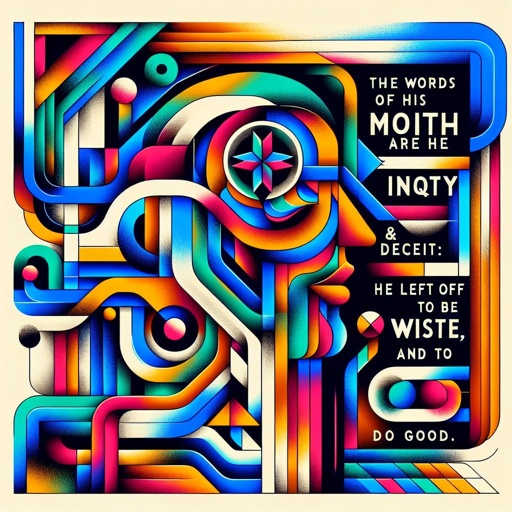
Psalms 36:3 - "The words of his mouth are iniquity and deceit: he hath left off to be wise, and to do good."

"All sheep and oxen, yea, and the beasts of the field;" - Psalms 8:7

Psalms 12:7 - "Thou shalt keep them, O LORD, thou shalt preserve them from this generation for ever."

Psalms 37:36 - "Yet he passed away, and, lo, he was not: yea, I sought him, but he could not be found."
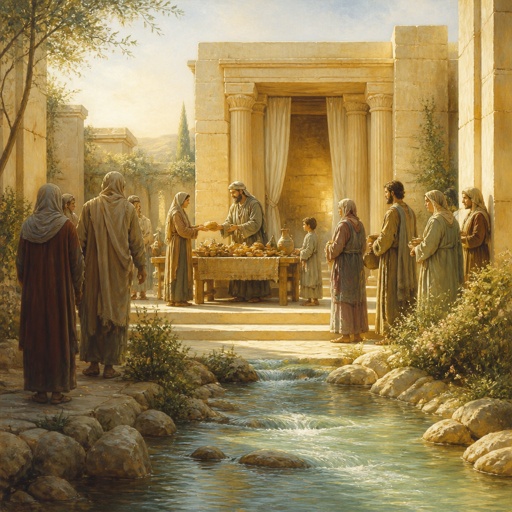
"They shall be abundantly satisfied with the fatness of thy house; and thou shalt make them drink of the river of thy pleasures." - Psalms 36:8

Psalms 36:8 - "They shall be abundantly satisfied with the fatness of thy house; and thou shalt make them drink of the river of thy pleasures."

Psalms 36:4 - "He deviseth mischief upon his bed; he setteth himself in a way that is not good; he abhorreth not evil."