What does Psalms 39:7 mean?
“And now, Lord, what wait I for? my hope is in thee.” — Psalms 39:7
The Bible verse Psalm 39:7 in the King James Version (KJV) states, "And now, Lord, what wait I for? my hope is in thee." This verse serves as a powerful expression of faith and dependency on God, and it can be interpreted in a variety of ways to provide comfort and reassurance to readers.
The Book of Psalms, where this verse is found, is a collection of hymns and poems that were often used in ancient Israelite worship. They cover a wide range of emotions and experiences, from praise and thanksgiving to lament and supplication. Psalm 39 in particular is a reflection on the brevity of human life and the ultimate futility of worldly pursuits. The psalmist wrestles with the fragility of life and the inevitability of death, ultimately finding solace in the hope and trust placed in God.
In Psalm 39:7, the psalmist begins by acknowledging their own state of uncertainty and vulnerability. They ask, "And now, Lord, what wait I for?" This question can be understood as a plea for guidance and reassurance in the face of life's uncertainties. The psalmist is essentially asking, "What do I have to look forward to? What hope do I have in this world?" It's a sentiment that many people can relate to, as we all face periods of doubt and confusion in our lives.
At the same time, the psalmist declares, "my hope is in thee." This simple statement is a declaration of faith and trust in God. It is a recognition that, despite the challenges and uncertainties of life, the ultimate source of hope and security is found in God alone. This expression of trust serves as a powerful affirmation of the psalmist's belief in the goodness and faithfulness of God, even in the midst of difficult circumstances.
One of the central themes of Psalm 39:7 is the idea of placing our hope and trust in God. This theme is echoed throughout the Bible, from the Psalms to the New Testament. In the book of Lamentations, the author declares, "The Lord is my portion, saith my soul; therefore will I hope in him" (Lamentations 3:24, KJV), emphasizing the centrality of God as the source of hope and security. Similarly, in the New Testament, the apostle Paul writes to the Romans, "Now the God of hope fill you with all joy and peace in believing, that ye may abound in hope, through the power of the Holy Ghost" (Romans 15:13, KJV), underscoring the idea that our hope is ultimately grounded in God's faithfulness and power.
The context in which this verse was written also adds layers of meaning to its message. The Psalms were often written during times of hardship and distress, and many of them reflect the struggles and challenges faced by the Israelite people. In the case of Psalm 39, the psalmist is grappling with their own mortality and the fleeting nature of life. In the midst of this existential crisis, they turn to God as the ultimate source of hope and assurance.
The symbolism in Psalm 39:7 lies in the contrast between the fleeting nature of human existence and the eternal faithfulness of God. The psalmist uses language that evokes images of transience and impermanence, such as a "shadow" and a "vain show" (Psalm 39:6, KJV). This imagery serves to underscore the fragility of human life and the ephemeral nature of worldly pursuits. In contrast, the psalmist affirms their trust in God as the one enduring and unwavering source of hope.
In summary, Psalm 39:7 is a powerful declaration of faith and trust in God in the face of life's uncertainties. It speaks to the universal human experience of doubt and vulnerability, offering a message of hope and reassurance in the midst of hardship. The verse encapsulates the timeless theme of placing our ultimate hope and trust in God, a message that continues to resonate with readers across different cultures and generations.
Get our apps


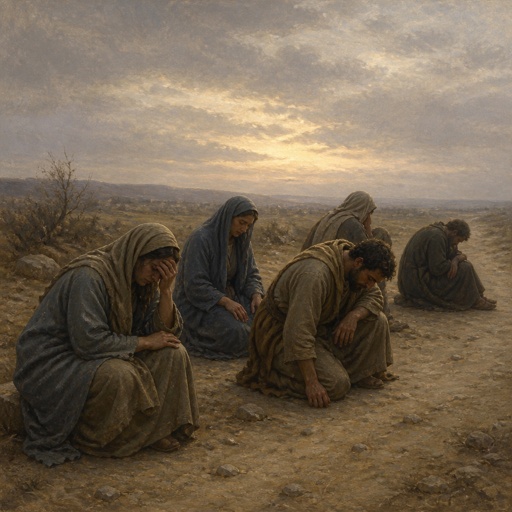
Artwork for Psalms 39:7

Psalms 39:7 - "And now, Lord, what wait I for? my hope is in thee."

"And now, Lord, what wait I for? my hope is in thee." - Psalms 39:7

Psalms 39:10 - "Remove thy stroke away from me: I am consumed by the blow of thine hand."

Psalms 20 7

"He spread a cloud for a covering; and fire to give light in the night." - Psalms 105:39

Psalms 37:39 - "But the salvation of the righteous is of the LORD: he is their strength in the time of trouble."

Psalms 107:39 - "Again, they are minished and brought low through oppression, affliction, and sorrow."

Psalms 105:39 - "He spread a cloud for a covering; and fire to give light in the night."

Psalms 106:39 - "Thus were they defiled with their own works, and went a whoring with their own inventions."

Psalms 39:9 - "I was dumb, I opened not my mouth; because thou didst it."

Psalms 78:39 - "For he remembered that they were but flesh; a wind that passeth away, and cometh not again."

Psalms 39:8 - "Deliver me from all my transgressions: make me not the reproach of the foolish."
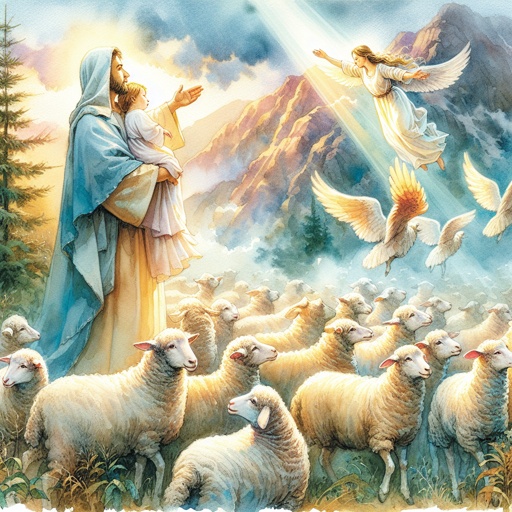
psalm 80:1-7

Psalms 119:39 - "Turn away my reproach which I fear: for thy judgments are good."
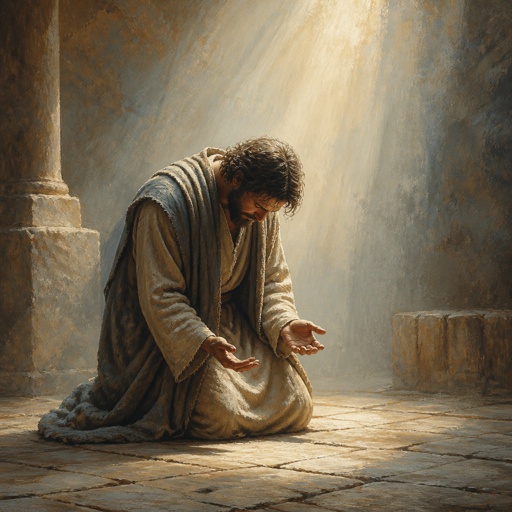
"Remove thy stroke away from me: I am consumed by the blow of thine hand." - Psalms 39:10

Psalms 39:13 - "O spare me, that I may recover strength, before I go hence, and be no more."

Psalms 39:2 - "I was dumb with silence, I held my peace, even from good; and my sorrow was stirred."

Psalms 98:7 - "Let the sea roar, and the fulness thereof; the world, and they that dwell therein."
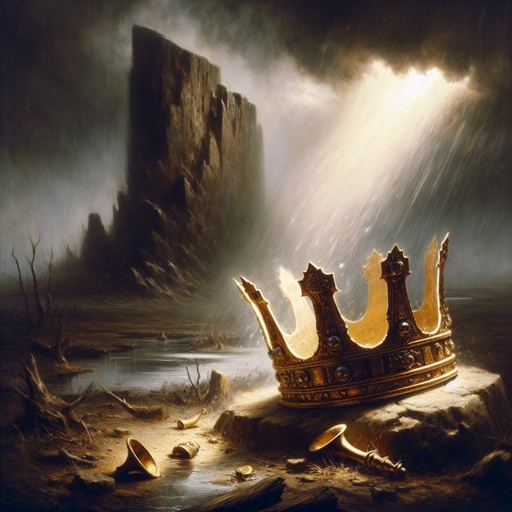
Psalms 89:39 - "Thou hast made void the covenant of thy servant: thou hast profaned his crown by casting it to the ground."

Psalms 39:3 - "My heart was hot within me, while I was musing the fire burned: then spake I with my tongue,"

"All sheep and oxen, yea, and the beasts of the field;" - Psalms 8:7

Psalms 12:7 - "Thou shalt keep them, O LORD, thou shalt preserve them from this generation for ever."

"But the salvation of the righteous is of the LORD: he is their strength in the time of trouble." - Psalms 37:39

Psalms 39:4 - "LORD, make me to know mine end, and the measure of my days, what it is; that I may know how frail I am."
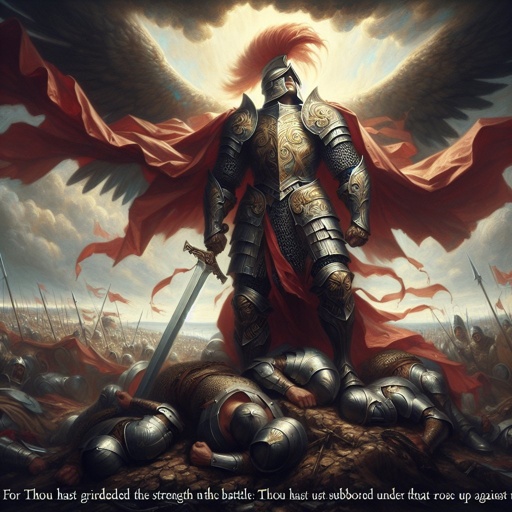
Psalms 18:39 - "For thou hast girded me with strength unto the battle: thou hast subdued under me those that rose up against me."

"Gebal, and Ammon, and Amalek; the Philistines with the inhabitants of Tyre;" - Psalms 83:7

John 7:37-39

John 7:37-39

Psalms 39:6 - "Surely every man walketh in a vain shew: surely they are disquieted in vain: he heapeth up riches, and knoweth not who shall gather them."
"Again, they are minished and brought low through oppression, affliction, and sorrow." - Psalms 107:39