What does Psalms 41:9 mean?
“Yea, mine own familiar friend, in whom I trusted, which did eat of my bread, hath lifted up his heel against me.” — Psalms 41:9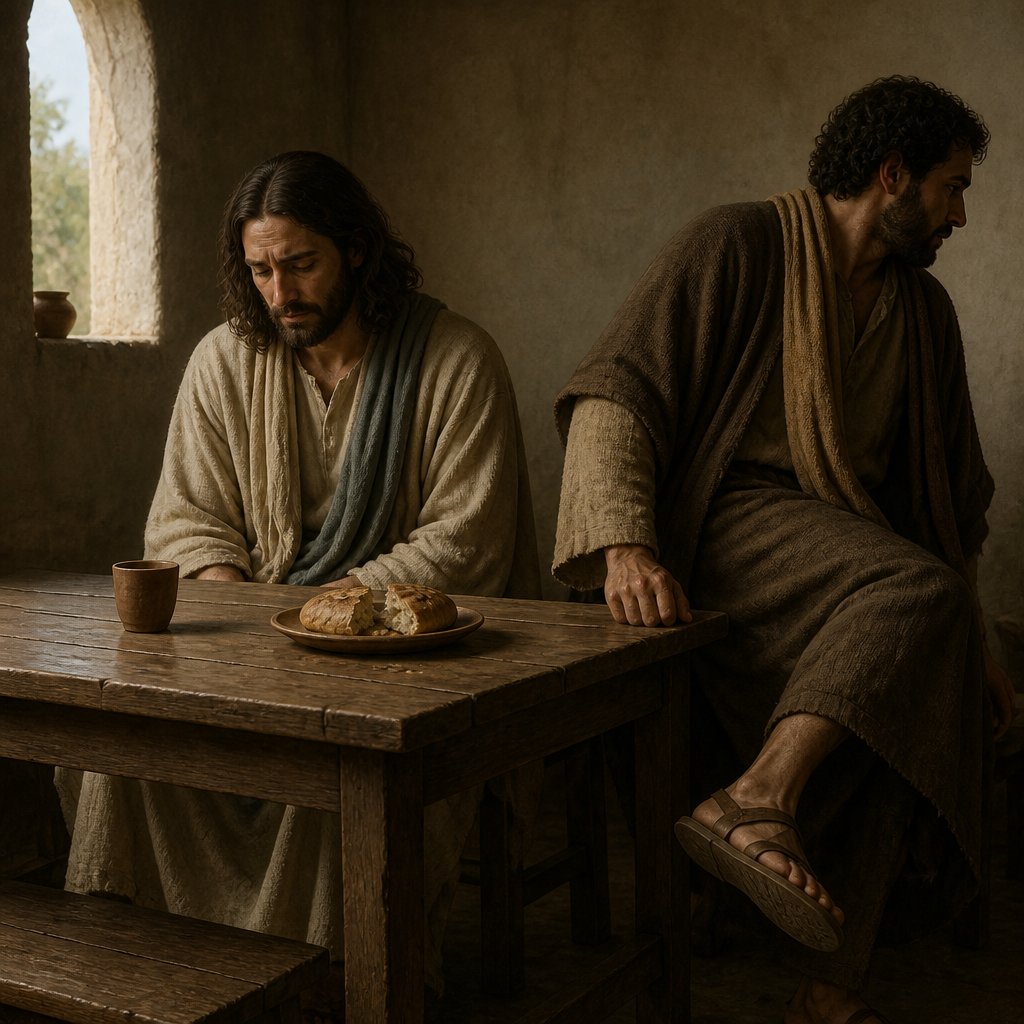
The Bible verse Psalms 41:9 in the King James Version (KJV) reads, "Yea, mine own familiar friend, in whom I trusted, which did eat of my bread, hath lifted up his heel against me." This verse comes from the book of Psalms, which is a collection of songs and prayers attributed to King David. The book is known for its emotional depth and vivid expression of human experiences, including joy, sorrow, praise, and lament.
In this particular verse, the psalmist expresses deep anguish at the betrayal by a trusted friend. The imagery of someone "lifting up his heel" against the psalmist evokes a sense of treachery and malice. The phrase "eating of my bread" emphasizes the intimacy and trust that existed between the two individuals, making the betrayal all the more painful.
One of the central themes in this verse is the experience of betrayal, a theme that resonates with many people throughout history. Betrayal can come from those closest to us, causing deep emotional pain and disillusionment. The psalmist's lament reflects the universal experience of betrayal and the profound sense of hurt that accompanies it. This verse serves as a reminder that even those who are closest to us can inflict deep wounds, highlighting the complexities of human relationships.
The context of this verse can be found in the broader narrative of the book of Psalms and the life of King David. Throughout his life, David faced numerous challenges, including betrayal and treachery from those he trusted. One of the most famous instances of betrayal in David's life is the rebellion of his son Absalom, who sought to overthrow his father and seize the throne. This experience of betrayal likely influenced David's writings in the Psalms and provided a personal backdrop for his deep understanding of the pain and grief caused by betrayal.
The symbolism in this verse is particularly striking. The act of "lifting up the heel" carries significant symbolism in biblical and ancient Near Eastern literature. In the biblical context, the phrase can be seen as an allusion to the enmity between the offspring of the woman and the serpent in Genesis 3:15. This symbolic imagery conveys the idea of hostility and conflict, emphasizing the depth of the betrayal experienced by the psalmist.
Furthermore, the act of sharing bread holds symbolic significance in the Bible. Sharing a meal together was a sign of hospitality, intimacy, and trust in ancient Near Eastern culture. In the context of this verse, the mention of eating bread together amplifies the sense of betrayal, as it involves not just a breach of trust, but also the desecration of a sacred bond.
The imagery and themes found in Psalms 41:9 resonate with people across cultures and throughout history. The experience of betrayal and the pain it causes are universal human experiences, and this verse captures the depth of emotion and anguish that accompanies such betrayal. It serves as a poignant reminder of the complexities of human relationships and the potential for deep hurt even from those we hold dear.
In conclusion, Psalms 41:9 in the King James Version is a powerful expression of the pain of betrayal and the depth of emotional anguish it can cause. The verse's themes, context, and symbolism provide a rich and profound commentary on human relationships and the potential for treachery even among those we trust. It stands as a timeless expression of the universal experience of betrayal and the profound impact it has on the human spirit.
Get our apps


Artwork for Psalms 41:9

Psalms 41:9 - "Yea, mine own familiar friend, in whom I trusted, which did eat of my bread, hath lifted up his heel against me."
"Yea, mine own familiar friend, in whom I trusted, which did eat of my bread, hath lifted up his heel against me." - Psalms 41:9

Psalms 89:41 - "All that pass by the way spoil him: he is a reproach to his neighbours."

Psalms 107:9

Psalms 41:1 - "Blessed is he that considereth the poor: the LORD will deliver him in time of trouble."

Psalms 41:13 - "Blessed be the LORD God of Israel from everlasting, and to everlasting. Amen, and Amen."

Psalms 78:41 - "Yea, they turned back and tempted God, and limited the Holy One of Israel."

Psalms 18:41 - "They cried, but there was none to save them: even unto the LORD, but he answered them not."

Psalms 106:41 - "And he gave them into the hand of the heathen; and they that hated them ruled over them."

"The LORD also will be a refuge for the oppressed, a refuge in times of trouble." - Psalms 9:9
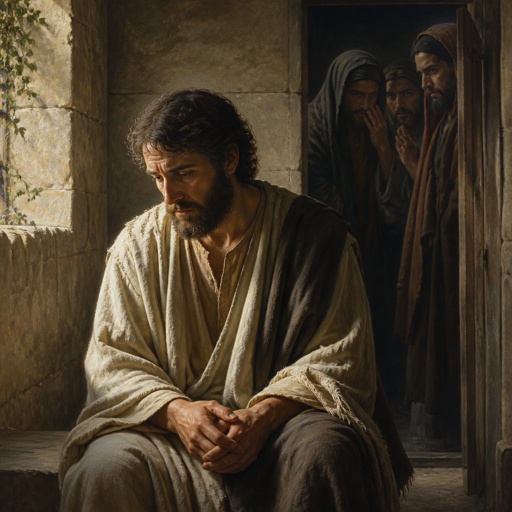
"Mine enemies speak evil of me, When shall he die, and his name perish?" - Psalms 41:5

Psalms 105:41 - "He opened the rock, and the waters gushed out; they ran in the dry places like a river."

Psalms 41:5 - "Mine enemies speak evil of me, When shall he die, and his name perish?"

Psalms 41:12 - "And as for me, thou upholdest me in mine integrity, and settest me before thy face for ever."

Psalms 107:41 - "Yet setteth he the poor on high from affliction, and maketh him families like a flock."

Psalms 41:11 - "By this I know that thou favourest me, because mine enemy doth not triumph over me."

Psalms 41:10 - "But thou, O LORD, be merciful unto me, and raise me up, that I may requite them."

Psalms 41:7 - "All that hate me whisper together against me: against me do they devise my hurt."

Psalms 41:3 - "The LORD will strengthen him upon the bed of languishing: thou wilt make all his bed in his sickness."

"But thou, O LORD, be merciful unto me, and raise me up, that I may requite them." - Psalms 41:10

Psalms 41:4 - "I said, LORD, be merciful unto me: heal my soul; for I have sinned against thee."

Psalms 59:9 - "Because of his strength will I wait upon thee: for God is my defence."

Psalms 119:41 - "Let thy mercies come also unto me, O LORD, even thy salvation, according to thy word."

Psalms 41:8 - "An evil disease, say they, cleaveth fast unto him: and now that he lieth he shall rise up no more."

"Mountains, and all hills; fruitful trees, and all cedars:" - Psalms 148:9

Psalms 9:5 - "Thou hast rebuked the heathen, thou hast destroyed the wicked, thou hast put out their name for ever and ever."

Psalms 107:9

Psalms 9:14 - "That I may shew forth all thy praise in the gates of the daughter of Zion: I will rejoice in thy salvation."

Psalms 9:9 - "The LORD also will be a refuge for the oppressed, a refuge in times of trouble."

Psalms 107:9