What does Psalms 48:7 mean?
“Thou breakest the ships of Tarshish with an east wind.” — Psalms 48:7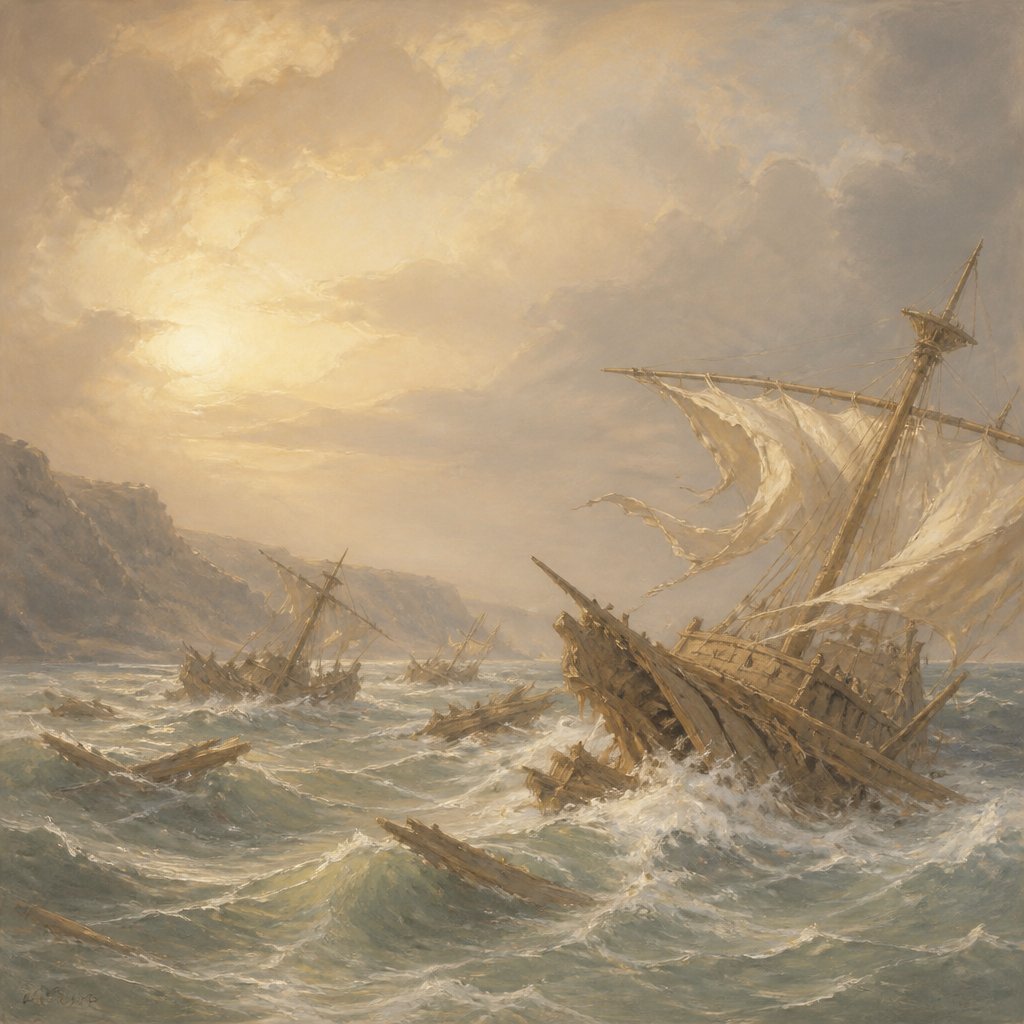
The verse Psalms 48:7 in the King James Version of the Bible (KJV) reads: "Thou breakest the ships of Tarshish with an east wind." This verse is part of a larger section of Psalm 48 that reiterates the greatness and glory of God and His protection over His people. To understand the full meaning and context of this verse, it is necessary to examine the entire psalm.
Psalm 48 is a song of praise and worship centered on the city of God, which represents His dwelling place and the center of His power and protection. The psalm opens with the declaration, "Great is the Lord, and greatly to be praised," setting the tone for the rest of the psalm. The psalmist marvels at the beauty and strength of Mount Zion, the city of the great King, and extols the virtues of God's holy mountain.
The verse in question, Psalms 48:7, is a portrayal of God's power and sovereignty over all creation, specifically referencing the destruction of the ships of Tarshish with an east wind. This imagery is a metaphorical representation of God's ability to disrupt and dismantle the plans and efforts of those who oppose Him and His people. The ships of Tarshish were known for their strength and capacity for long voyages, but even they are no match for the power of God.
The east wind mentioned in the verse carries symbolic significance as well. In biblical literature, the east wind often symbolizes judgment and destruction. It is the wind that brought the plague of locusts in Egypt (Exodus 10:13) and the wind that stripped Job of his possessions and children (Job 1:19). By using the east wind to break the ships of Tarshish, the psalmist is emphasizing God's authority and control over the forces of nature and the nations of the world.
The overarching theme of Psalm 48 is the supremacy and protection of God over His people and His dwelling place. The destruction of the ships of Tarshish serves as a vivid illustration of God's ultimate power and sovereignty. It underscores the psalmist's confidence in God's ability to defeat any enemy or obstacle that threatens His people.
The historical context of Psalm 48 likely relates to the victorious defense of Jerusalem against the invading armies of Assyria during the reign of King Hezekiah. The psalm may have been composed to commemorate this event and to celebrate the deliverance of the city by the hand of God. The mention of the ships of Tarshish could symbolize the mighty forces of the enemy that were ultimately unable to prevail against the power of God.
In addition to its historical relevance, Psalm 48 also has deep spiritual and theological significance. It reminds believers of God's faithfulness and unwavering protection in the face of adversity. The imagery of God breaking the ships of Tarshish with an east wind serves as a powerful reminder that no enemy or opposition can stand against the Almighty.
Furthermore, the symbolism of the ships of Tarshish being broken by an east wind can be interpreted as a warning to those who resist God's authority and seek to oppose His will. It is a reminder that all human plans and endeavors are subject to the sovereign will of God, and those who set themselves against Him will ultimately be defeated.
In conclusion, Psalm 48:7 in the King James Version of the Bible (KJV) conveys a profound message about God's supremacy, protection, and sovereignty. The imagery of God breaking the ships of Tarshish with an east wind serves as a vivid illustration of His power over all creation and His ability to defeat any enemy. This verse is a testament to God's faithfulness and deliverance, both in the historical context of the defense of Jerusalem and in the lives of believers today. It stands as a timeless declaration of God's ultimate authority and the assurance of His protection for His people.
Get our apps


Artwork for Psalms 48:7

Psalms 48:7 - "Thou breakest the ships of Tarshish with an east wind."
"Thou breakest the ships of Tarshish with an east wind." - Psalms 48:7

"They saw it, and so they marvelled; they were troubled, and hasted away." - Psalms 48:5

Psalms 48:3 - "God is known in her palaces for a refuge."

"He gave up their cattle also to the hail, and their flocks to hot thunderbolts." - Psalms 78:48

Psalms 48:4 - "For, lo, the kings were assembled, they passed by together."

Psalms 20 7

Psalms 48:5 - "They saw it, and so they marvelled; they were troubled, and hasted away."

Psalms 48:6 - "Fear took hold upon them there, and pain, as of a woman in travail."
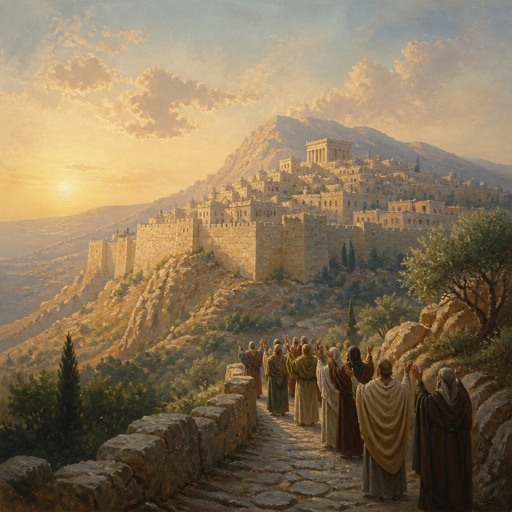
"Great is the LORD, and greatly to be praised in the city of our God, in the mountain of his holiness." - Psalms 48:1

Psalms 78:48 - "He gave up their cattle also to the hail, and their flocks to hot thunderbolts."

Psalms 48:12 - "Walk about Zion, and go round about her: tell the towers thereof."

Psalms 48:1 - "Great is the LORD, and greatly to be praised in the city of our God, in the mountain of his holiness."

Psalms 48:9 - "We have thought of thy lovingkindness, O God, in the midst of thy temple."

Psalms 48:11 - "Let mount Zion rejoice, let the daughters of Judah be glad, because of thy judgments."

Psalms 48:14 - "For this God is our God for ever and ever: he will be our guide even unto death."

"For this God is our God for ever and ever: he will be our guide even unto death." - Psalms 48:14

Psalms 48:2 - "Beautiful for situation, the joy of the whole earth, is mount Zion, on the sides of the north, the city of the great King."
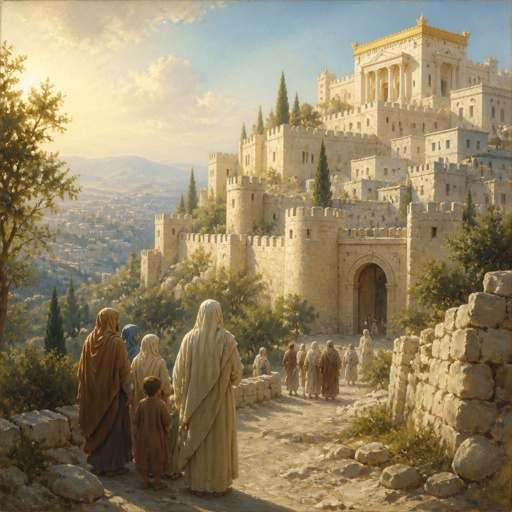
"God is known in her palaces for a refuge." - Psalms 48:3

Psalms 48:13 - "Mark ye well her bulwarks, consider her palaces; that ye may tell it to the generation following."
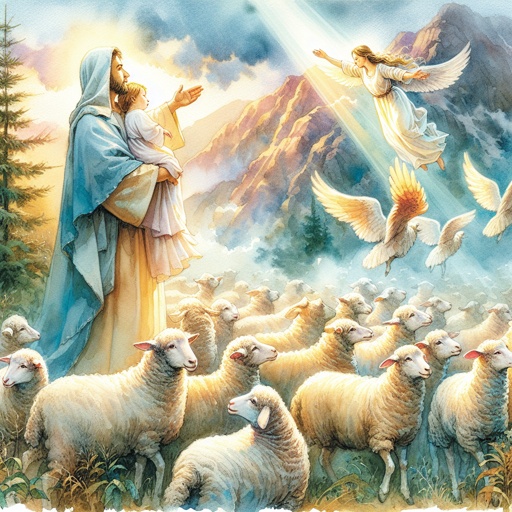
psalm 80:1-7

"For, lo, the kings were assembled, they passed by together." - Psalms 48:4

Psalms 106:48 - "Blessed be the LORD God of Israel from everlasting to everlasting: and let all the people say, Amen. Praise ye the LORD."

Psalms 48:10 - "According to thy name, O God, so is thy praise unto the ends of the earth: thy right hand is full of righteousness."

Psalms 89:48 - "What man is he that liveth, and shall not see death? shall he deliver his soul from the hand of the grave? Selah."
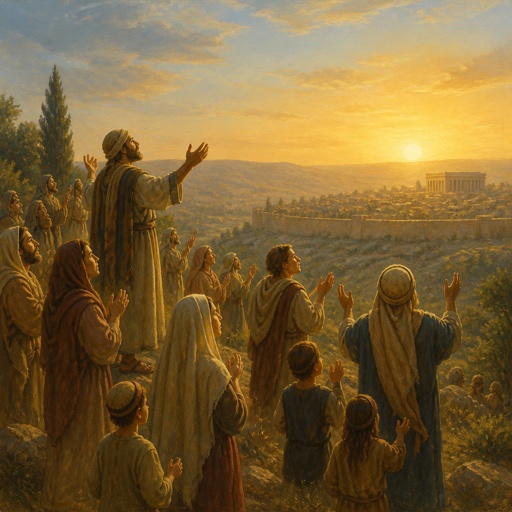
"Blessed be the LORD God of Israel from everlasting to everlasting: and let all the people say, Amen. Praise ye the LORD." - Psalms 106:48

Psalms 119:48 - "My hands also will I lift up unto thy commandments, which I have loved; and I will meditate in thy statutes."

Psalms 98:7 - "Let the sea roar, and the fulness thereof; the world, and they that dwell therein."

Psalms 48:8 - "As we have heard, so have we seen in the city of the LORD of hosts, in the city of our God: God will establish it for ever. Selah."
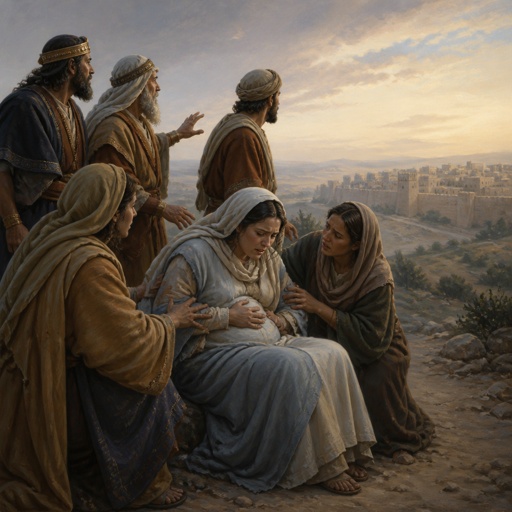
"Fear took hold upon them there, and pain, as of a woman in travail." - Psalms 48:6