What does Psalms 50:18 mean?
“When thou sawest a thief, then thou consentedst with him, and hast been partaker with adulterers.” — Psalms 50:18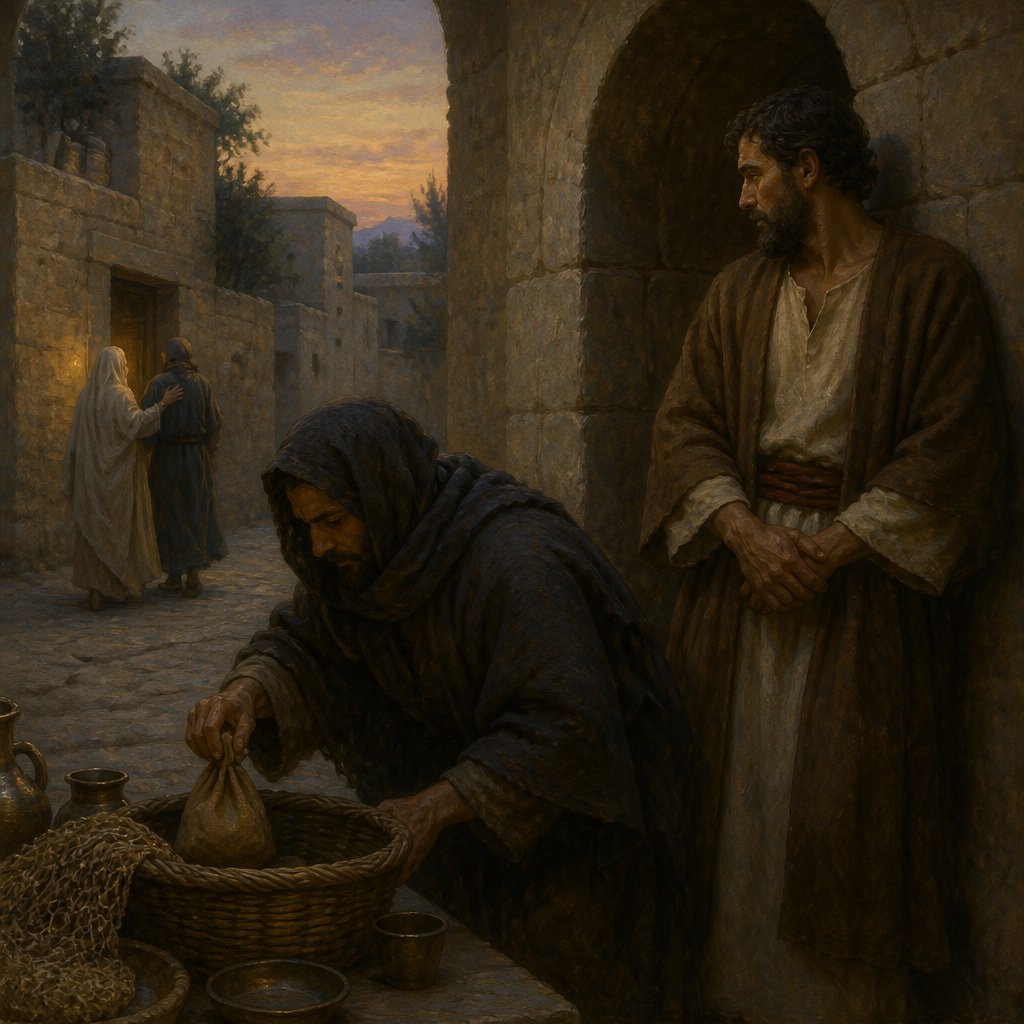
Psalms 50:18 (KJV) states, "When thou sawest a thief, then thou consentedst with him, and hast been partaker with adulterers."
This passage is a part of a larger psalm that focuses on the importance of genuine worship and obedience to God. The verse specifically addresses the issue of hypocrisy and moral compromise among the people of Israel. It condemns those who may outwardly appear to be righteous and pious, while secretly engaging in sinful behavior. The imagery of theft and adultery is used to convey the seriousness of these transgressions in the eyes of God.
One of the key themes of this verse is the concept of moral integrity. The psalmist is highlighting the importance of living a life of honesty and righteousness, and the verse serves as a warning against the dangers of hypocrisy. It reminds believers that true worship and obedience to God require sincerity and purity of heart, rather than just going through the motions of religious rituals.
Contextually, this verse is part of a larger psalm that is attributed to Asaph, a Levite and a musician in the court of King David. The psalm is written in the form of a divine summons, as God calls the people of Israel to account for their disobedience and hypocrisy. The overall message of the psalm is a call to genuine repentance and a sincere turning back to God.
The use of the words "thief" and "adulterers" in the verse is also significant. These terms are often used symbolically throughout the Bible to represent spiritual unfaithfulness and betrayal. In this context, they serve as powerful metaphors for the ways in which the people of Israel have turned away from God and violated their covenant with Him.
The verse also carries a strong message about the consequences of sin. It suggests that those who engage in dishonest and immoral behavior will ultimately face the judgment of God. The idea of being a "partaker" with adulterers and thieves underscores the principle of guilt by association, indicating that those who align themselves with sinful individuals are just as guilty as those who commit the sins themselves.
In a broader theological sense, this verse can be seen as a reflection of the biblical teaching on the moral responsibility of believers. It underscores the idea that genuine faith in God should produce a transformed life marked by moral uprightness and integrity. It also serves as a reminder of the seriousness with which God views sin and the need for repentance and genuine spiritual renewal.
In conclusion, Psalms 50:18 (KJV) is a verse that carries a powerful message about the importance of moral integrity and the dangers of hypocrisy in the eyes of God. It serves as a call to genuine repentance and a reminder of the consequences of sin. The imagery of theft and adultery is used to convey the seriousness of moral compromise, and the verse urges believers to live lives of sincerity and righteousness. Ultimately, it is a reminder of the high moral standards that God expects from His people and the need for genuine obedience and worship.
Get our apps


Artwork for Psalms 50:18

Psalms 50:18 - "When thou sawest a thief, then thou consentedst with him, and hast been partaker with adulterers."
"When thou sawest a thief, then thou consentedst with him, and hast been partaker with adulterers." - Psalms 50:18

Psalms 18:50 - "Great deliverance giveth he to his king; and sheweth mercy to his anointed, to David, and to his seed for evermore."

"Out of Zion, the perfection of beauty, God hath shined." - Psalms 50:2

"For every beast of the forest is mine, and the cattle upon a thousand hills." - Psalms 50:10

"And the heavens shall declare his righteousness: for God is judge himself. Selah." - Psalms 50:6

Psalms 50:13 - "Will I eat the flesh of bulls, or drink the blood of goats?"

Psalms 50:2 - "Out of Zion, the perfection of beauty, God hath shined."

"I know all the fowls of the mountains: and the wild beasts of the field are mine." - Psalms 50:11

"Great deliverance giveth he to his king; and sheweth mercy to his anointed, to David, and to his seed for evermore." - Psalms 18:50

"Offer unto God thanksgiving; and pay thy vows unto the most High:" - Psalms 50:14

Psalms 50:6 - "And the heavens shall declare his righteousness: for God is judge himself. Selah."

Psalms 50:11 - "I know all the fowls of the mountains: and the wild beasts of the field are mine."

Psalms 119:50 - "This is my comfort in my affliction: for thy word hath quickened me."

Psalms 50:10 - "For every beast of the forest is mine, and the cattle upon a thousand hills."

Psalms 50:14 - "Offer unto God thanksgiving; and pay thy vows unto the most High:"

Psalms 50:19 - "Thou givest thy mouth to evil, and thy tongue frameth deceit."

Psalms 50:17 - "Seeing thou hatest instruction, and castest my words behind thee."

Psalms 50:5 - "Gather my saints together unto me; those that have made a covenant with me by sacrifice."

Psalms 50:15 - "And call upon me in the day of trouble: I will deliver thee, and thou shalt glorify me."

Psalms 50:22 - "Now consider this, ye that forget God, lest I tear you in pieces, and there be none to deliver."
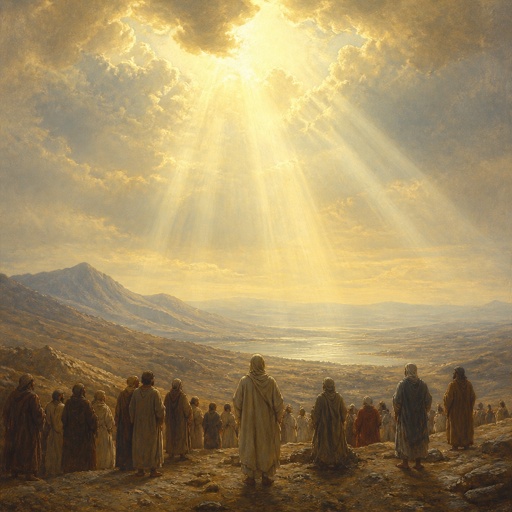
"He shall call to the heavens from above, and to the earth, that he may judge his people." - Psalms 50:4

Psalms 50:12 - "If I were hungry, I would not tell thee: for the world is mine, and the fulness thereof."

Psalms 50:4 - "He shall call to the heavens from above, and to the earth, that he may judge his people."

Psalms 50:9 - "I will take no bullock out of thy house, nor he goats out of thy folds."

Psalms 50:20 - "Thou sittest and speakest against thy brother; thou slanderest thine own mother's son."

Psalms 136:18 - "And slew famous kings: for his mercy endureth for ever:"

Psalms 50:23 - "Whoso offereth praise glorifieth me: and to him that ordereth his conversation aright will I shew the salvation of God."

Psalms 78:50 - "He made a way to his anger; he spared not their soul from death, but gave their life over to the pestilence;"

Psalms 50:8 - "I will not reprove thee for thy sacrifices or thy burnt offerings, to have been continually before me."