What does Psalms 50:19 mean?
“Thou givest thy mouth to evil, and thy tongue frameth deceit.” — Psalms 50:19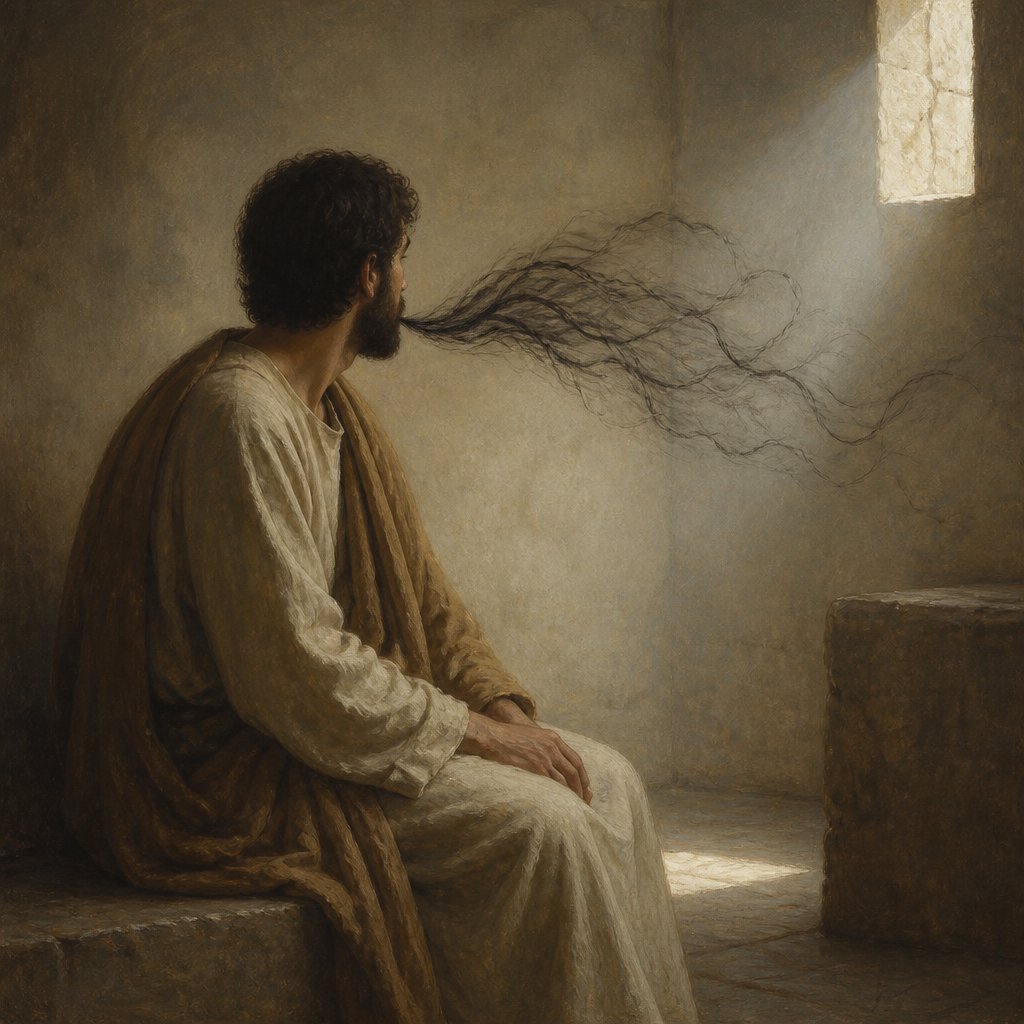
Psalm 50:19 in the King James Version of the Bible reads, "Thou givest thy mouth to evil, and thy tongue frameth deceit." This verse is part of a larger psalm attributed to Asaph, who was one of the chief musicians during the reign of King David. The psalm is a call to repentance and a reminder of God's omniscience and sovereignty.
The verse itself is a scathing indictment of those who use their words for sinful purposes. The speaker accuses the subject of giving their mouth to evil, meaning that they freely speak and spread wickedness. This could refer to gossip, lies, or slander, as well as any speech that is intended to harm or deceive others. The condemnation continues with the accusation that the subject's tongue "frameth deceit," meaning that they deliberately construct and plan their lies and deception.
The broader theme of this verse is the power of words and the importance of using them for good. Throughout the Bible, there are numerous teachings on the significance of speech and the impact of words. Proverbs 18:21 says, "Death and life are in the power of the tongue," highlighting the potential for both harm and blessing through our speech. Psalm 34:13 similarly advises, "Keep thy tongue from evil, and thy lips from speaking guile." The Bible consistently emphasizes the need for truth, kindness, and edification in our communication.
In its original historical and cultural context, Psalm 50 would have been particularly relevant to the Israelites as they engaged in religious ceremonies and sacrifices. The psalm opens with a vivid depiction of God summoning the earth from east to west, emphasizing His authority over all creation. The subsequent verses express God's displeasure with insincere and hypocritical worship, as the people offer sacrifices without genuine repentance or devotion. This context adds depth to the condemnation of deceitful speech in verse 19, as it highlights the contrast between outward religious observance and inward moral integrity.
Symbolically, the verse carries a clear representation of the tension between good and evil, truth and deceit. The "mouth" and "tongue" are powerful symbols throughout the Bible, representing not only speech but also the inner thoughts and intentions of the heart. Jesus himself taught that "out of the abundance of the heart the mouth speaketh" (Matthew 12:34), illustrating the connection between our words and our true spiritual condition. Thus, the accusation of using one's mouth for evil and framing deceit with the tongue is a metaphor for the corrupt and sinful nature of the subject.
Furthermore, the verse serves as a sobering reminder of the accountability we have for our words. In Matthew 12:36-37, Jesus teaches, "But I say unto you, that every idle word that men shall speak, they shall give account thereof in the day of judgment. For by thy words thou shalt be justified, and by thy words thou shalt be condemned." This echoes the sentiment of Psalm 50:19, emphasizing the weight of our speech and the necessity of using it for righteousness.
In conclusion, Psalm 50:19 from the King James Version of the Bible is a poignant and convicting verse that highlights the significance of our words and the inherent moral obligation to use them for truth and integrity. Its themes of accountability, sincerity, and the contrast between good and evil are timeless and resonate deeply with believers across generations. The verse serves as a timely admonition to guard our speech and to use it as a force for good and righteousness.
Get our apps


Artwork for Psalms 50:19

Psalms 50:19 - "Thou givest thy mouth to evil, and thy tongue frameth deceit."
"Thou givest thy mouth to evil, and thy tongue frameth deceit." - Psalms 50:19

"Out of Zion, the perfection of beauty, God hath shined." - Psalms 50:2

"For every beast of the forest is mine, and the cattle upon a thousand hills." - Psalms 50:10

"And the heavens shall declare his righteousness: for God is judge himself. Selah." - Psalms 50:6

Psalms 50:13 - "Will I eat the flesh of bulls, or drink the blood of goats?"

Psalms 50:2 - "Out of Zion, the perfection of beauty, God hath shined."

"I know all the fowls of the mountains: and the wild beasts of the field are mine." - Psalms 50:11

"Offer unto God thanksgiving; and pay thy vows unto the most High:" - Psalms 50:14

Psalms 50:6 - "And the heavens shall declare his righteousness: for God is judge himself. Selah."

Psalms 50:11 - "I know all the fowls of the mountains: and the wild beasts of the field are mine."

Psalms 119:50 - "This is my comfort in my affliction: for thy word hath quickened me."

Psalms 50:10 - "For every beast of the forest is mine, and the cattle upon a thousand hills."

Psalms 50:14 - "Offer unto God thanksgiving; and pay thy vows unto the most High:"

Psalms 50:17 - "Seeing thou hatest instruction, and castest my words behind thee."

Psalms 50:5 - "Gather my saints together unto me; those that have made a covenant with me by sacrifice."

Psalms 50:15 - "And call upon me in the day of trouble: I will deliver thee, and thou shalt glorify me."

Psalms 50:22 - "Now consider this, ye that forget God, lest I tear you in pieces, and there be none to deliver."
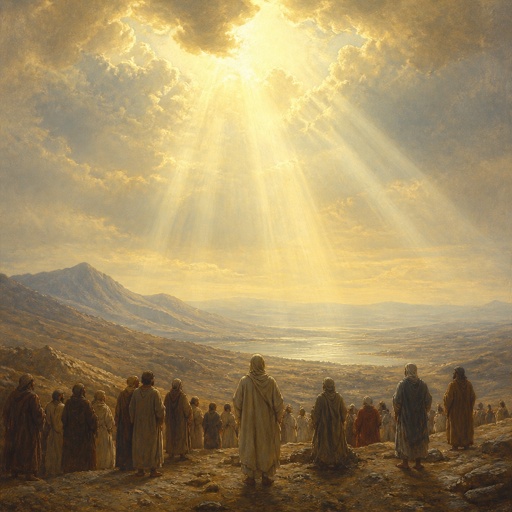
"He shall call to the heavens from above, and to the earth, that he may judge his people." - Psalms 50:4

Psalms 50:18 - "When thou sawest a thief, then thou consentedst with him, and hast been partaker with adulterers."

Psalms 50:12 - "If I were hungry, I would not tell thee: for the world is mine, and the fulness thereof."

Psalms 50:9 - "I will take no bullock out of thy house, nor he goats out of thy folds."

Psalms 50:4 - "He shall call to the heavens from above, and to the earth, that he may judge his people."

Psalms 50:20 - "Thou sittest and speakest against thy brother; thou slanderest thine own mother's son."

Psalms 50:23 - "Whoso offereth praise glorifieth me: and to him that ordereth his conversation aright will I shew the salvation of God."

Psalms 18:50 - "Great deliverance giveth he to his king; and sheweth mercy to his anointed, to David, and to his seed for evermore."

Psalms 78:50 - "He made a way to his anger; he spared not their soul from death, but gave their life over to the pestilence;"

Psalms 50:8 - "I will not reprove thee for thy sacrifices or thy burnt offerings, to have been continually before me."

Psalms 50:1 - "The mighty God, even the LORD, hath spoken, and called the earth from the rising of the sun unto the going down thereof."
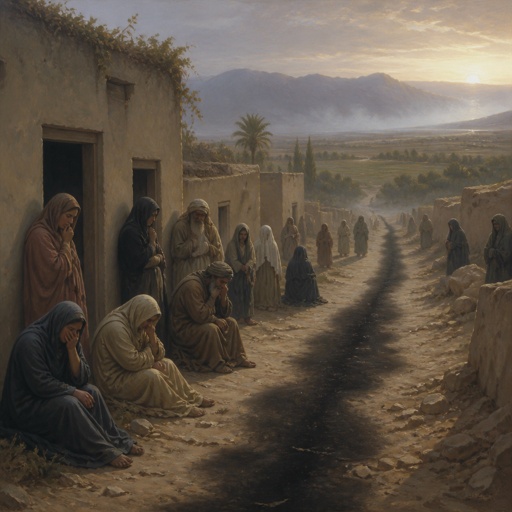
"He made a way to his anger; he spared not their soul from death, but gave their life over to the pestilence;" - Psalms 78:50