What does Psalms 50:20 mean?
“Thou sittest and speakest against thy brother; thou slanderest thine own mother’s son.” — Psalms 50:20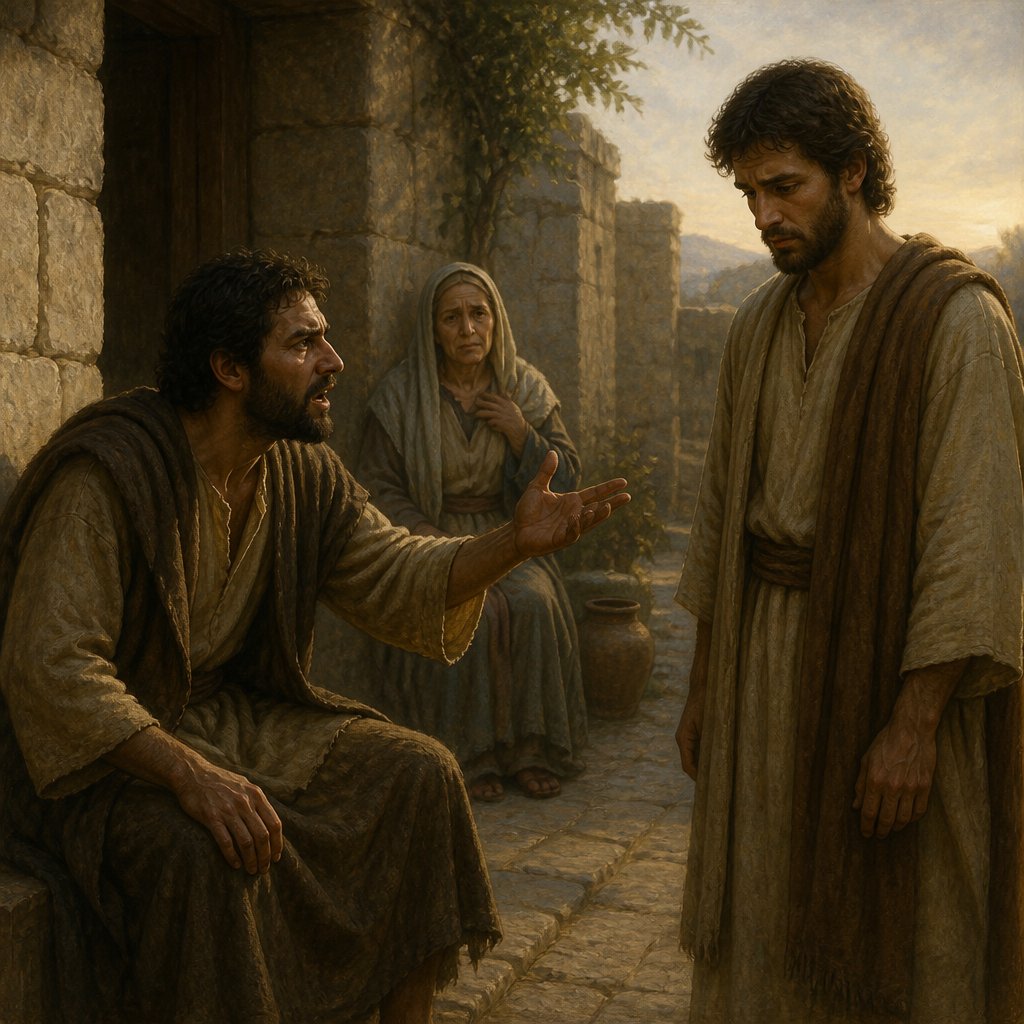
Psalm 50:20 from the King James Version of the Bible reads, "Thou sittest and speakest against thy brother; thou slanderest thine own mother's son." This verse addresses the issue of speaking against one's own family members, specifically, one's brother and mother's son. The context of this verse is within a larger psalm of David, in which he calls upon the assembly of God's people to gather and undergo judgment. The psalm speaks to the righteous judgment of God and the hypocrisy of those who claim to follow Him but do not live according to His laws.
The theme of Psalm 50 is the coming judgment of God, who is depicted as a righteous judge gathering His people for judgment. In verse 20, the specific theme is the sinful act of speaking against one's own family members. This can be understood as a broader theme of the importance of family relationships, the destructiveness of gossip and slander, and the hypocrisy of those who claim to be in right relationship with God while mistreating their own kin.
The context of this verse is crucial for understanding its deeper meaning. The psalm as a whole is a call to the people of Israel to gather before God for judgment. God, depicted as a righteous judge, speaks to the people, reminding them of their covenant relationship with Him and rebuking their hypocritical worship. In verse 16-20, God condemns the outward religious practices of the people, highlighting their lack of inner righteousness and their tendency to engage in sinful behavior while claiming to be faithful to God.
In verse 20 specifically, the imagery of "sitting and speaking against thy brother" evokes a sense of malicious intent and betrayal within the family unit. The mention of "slandering thine own mother's son" emphasizes the egregious nature of the sin, as it involves speaking falsely and hurtfully against one's own flesh and blood. This behavior goes directly against the commandment to honor one's parents and to love one's neighbor as oneself, as well as the broader biblical injunction against gossip and slander.
The symbolism in this verse lies in the portrayal of the family as a sacred unit that should be protected and cherished. The act of speaking against one's own brother and mother's son represents a violation of the trust and love that should be present within the family. This betrayal and slander are depicted as deeply hurtful and sinful acts that directly go against the values of love, respect, and loyalty that are espoused within the biblical framework.
Furthermore, this verse serves as a warning against the insidious nature of hypocrisy. Those who claim to be righteous and God-fearing, yet engage in such destructive behavior, are portrayed as hypocrites who will face judgment from God. The verse serves as a reminder that true righteousness involves not only outward acts of worship but also inner integrity and love for others, especially within one's own family.
In conclusion, Psalm 50:20 from the King James Version of the Bible addresses the sinful act of speaking against one's own family members and serves as a warning against the hypocrisy of those who claim to be followers of God while engaging in such behavior. The verse's themes center on the importance of family relationships, the destructiveness of gossip and slander, and the need for inner righteousness and integrity. Its context within the larger psalm of judgment underscores its message of warning and condemnation for those who engage in such sinful behavior. The symbolism of the family as a sacred unit emphasizes the severity of the sin and the need for love and respect within the family. Overall, Psalm 50:20 serves as a powerful reminder of the values and behaviors that God expects from His people.
Get our apps


Artwork for Psalms 50:20

Psalms 50:20 - "Thou sittest and speakest against thy brother; thou slanderest thine own mother's son."
"Thou sittest and speakest against thy brother; thou slanderest thine own mother's son." - Psalms 50:20

"Out of Zion, the perfection of beauty, God hath shined." - Psalms 50:2

Psalms 20 7

"For every beast of the forest is mine, and the cattle upon a thousand hills." - Psalms 50:10

"And the heavens shall declare his righteousness: for God is judge himself. Selah." - Psalms 50:6

Psalms 50:13 - "Will I eat the flesh of bulls, or drink the blood of goats?"

Psalms 50:2 - "Out of Zion, the perfection of beauty, God hath shined."

"I know all the fowls of the mountains: and the wild beasts of the field are mine." - Psalms 50:11

"Offer unto God thanksgiving; and pay thy vows unto the most High:" - Psalms 50:14

Psalms 50:6 - "And the heavens shall declare his righteousness: for God is judge himself. Selah."

Psalms 50:11 - "I know all the fowls of the mountains: and the wild beasts of the field are mine."

Psalms 119:50 - "This is my comfort in my affliction: for thy word hath quickened me."

Psalms 50:10 - "For every beast of the forest is mine, and the cattle upon a thousand hills."

Psalms 50:14 - "Offer unto God thanksgiving; and pay thy vows unto the most High:"

Psalms 50:19 - "Thou givest thy mouth to evil, and thy tongue frameth deceit."
Psalms 50:17 - "Seeing thou hatest instruction, and castest my words behind thee."

Psalms 50:5 - "Gather my saints together unto me; those that have made a covenant with me by sacrifice."

Psalms 50:15 - "And call upon me in the day of trouble: I will deliver thee, and thou shalt glorify me."

Psalms 50:22 - "Now consider this, ye that forget God, lest I tear you in pieces, and there be none to deliver."
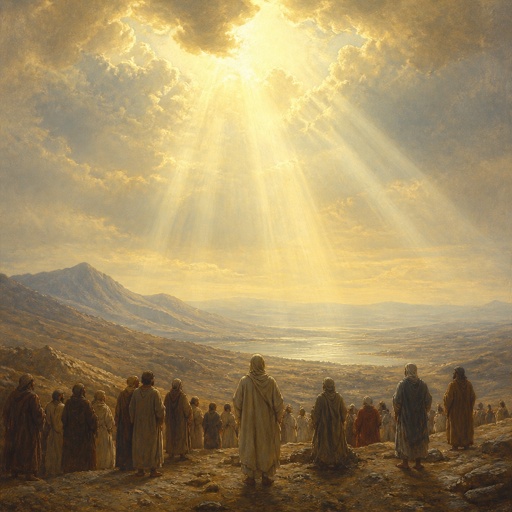
"He shall call to the heavens from above, and to the earth, that he may judge his people." - Psalms 50:4

Psalms 50:18 - "When thou sawest a thief, then thou consentedst with him, and hast been partaker with adulterers."

Psalms 50:12 - "If I were hungry, I would not tell thee: for the world is mine, and the fulness thereof."

Psalms 50:4 - "He shall call to the heavens from above, and to the earth, that he may judge his people."

Psalms 50:9 - "I will take no bullock out of thy house, nor he goats out of thy folds."

Psalms 50:23 - "Whoso offereth praise glorifieth me: and to him that ordereth his conversation aright will I shew the salvation of God."

Psalms 18:50 - "Great deliverance giveth he to his king; and sheweth mercy to his anointed, to David, and to his seed for evermore."

Psalms 78:50 - "He made a way to his anger; he spared not their soul from death, but gave their life over to the pestilence;"

Psalms 50:8 - "I will not reprove thee for thy sacrifices or thy burnt offerings, to have been continually before me."

Psalms 50:1 - "The mighty God, even the LORD, hath spoken, and called the earth from the rising of the sun unto the going down thereof."