What does Psalms 51:14 mean?
“Deliver me from bloodguiltiness, O God, thou God of my salvation: and my tongue shall sing aloud of thy righteousness.” — Psalms 51:14
The Bible verse Psalms 51:14 from the King James Version (KJV) reads, "Deliver me from bloodguiltiness, O God, thou God of my salvation: and my tongue shall sing aloud of thy righteousness." This verse is from a lamentation psalm that King David composed after he was confronted by the prophet Nathan for his affair with Bathsheba and the subsequent murder of her husband Uriah. The psalm is a passionate prayer for forgiveness and cleansing, and this particular verse reflects David’s desperation to be freed from the guilt of his sin.
The theme of this verse is the longing for deliverance from guilt and the desire to sing praises to God once that deliverance is granted. The overarching theme of the entire psalm is the recognition of one’s own sinfulness and the plea for God’s mercy and forgiveness. The psalm speaks to the human experience of sin and the need for repentance and restoration.
The context of this verse is particularly important. In the previous verses, King David is acknowledging his own sin and expressing deep remorse for his actions. He acknowledges his guilt before God and understands that he has sinned against Him. His plea for deliverance from bloodguiltiness is a cry for God to cleanse him from the guilt of shedding innocent blood, as in the case of Uriah.
The use of the word "bloodguiltiness" in this verse conveys the weight and seriousness of David’s sin. In the Old Testament, shedding innocent blood was a grievous offense, and it required atonement and punishment. David is acknowledging the gravity of his sin and is pleading for God to deliver him from the guilt and consequences of his actions. Despite the severity of his sin, David is expressing faith in God’s saving power and his ability to rescue him from the consequences of his transgressions.
The verse also contains a confession of faith in God’s righteousness. David expresses his willingness to praise God openly and exalt His righteousness once he is delivered from his guilt. This illustrates David’s understanding of God’s character and his commitment to glorify Him despite his own failures. It also reflects an understanding of the transforming power of God’s forgiveness and the freedom that comes from being released from the burden of guilt.
In the broader context of the Bible, this verse is a testament to the universal human experience of sin and the need for divine mercy and deliverance. The psalm as a whole reflects the journey of repentance and restoration, and it serves as a model for believers to approach God with honest confession, genuine repentance, and a deep desire for reconciliation.
This verse also holds symbolic significance in the Christian faith. The longing for deliverance from bloodguiltiness and the subsequent praise and exaltation of God’s righteousness can be seen as a foreshadowing of the ultimate deliverance and forgiveness that God provides through the sacrificial death of Jesus Christ. In the New Testament, Jesus is portrayed as the ultimate atonement for sin, and through His sacrifice, believers are cleansed from guilt and reconciled with God. Therefore, this verse can be seen as a prefiguration of the redemptive work of Christ and the resulting praise and worship that believers are called to offer.
In conclusion, Psalms 51:14 from the King James Version (KJV) is a poignant expression of King David’s plea for deliverance from bloodguiltiness and his commitment to exalt God’s righteousness once that deliverance is granted. It reflects the universal human experience of sin and the need for repentance and restoration, and it holds deep symbolic significance in the Christian faith. This verse serves as a reminder of the transformative power of God’s forgiveness and the freedom that comes from being released from the burden of guilt.
Get our apps


Artwork for Psalms 51:14

Psalms 51:14 - "Deliver me from bloodguiltiness, O God, thou God of my salvation: and my tongue shall sing aloud of thy righteousness."

"Deliver me from bloodguiltiness, O God, thou God of my salvation: and my tongue shall sing aloud of thy righteousness." - Psalms 51:14

Psalms 78:51 - "And smote all the firstborn in Egypt; the chief of their strength in the tabernacles of Ham:"
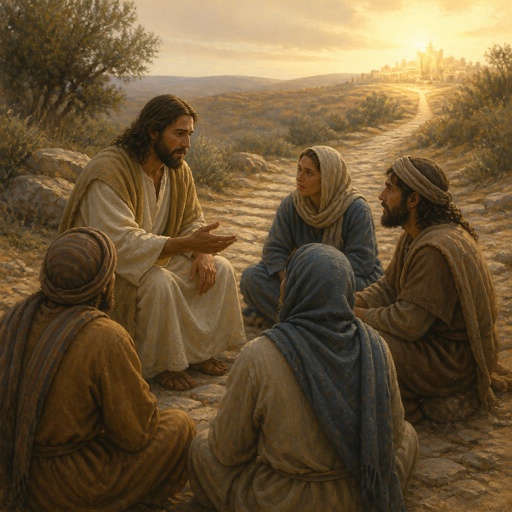
"Then will I teach transgressors thy ways; and sinners shall be converted unto thee." - Psalms 51:13

Psalms 51:5 - "Behold, I was shapen in iniquity; and in sin did my mother conceive me."

Psalms 51:13 - "Then will I teach transgressors thy ways; and sinners shall be converted unto thee."

Psalms 51:3 - "For I acknowledge my transgressions: and my sin is ever before me."

Psalms 51:9 - "Hide thy face from my sins, and blot out all mine iniquities."

Psalms 51:10 - "Create in me a clean heart, O God; and renew a right spirit within me."

Psalms 51:2 - "Wash me throughly from mine iniquity, and cleanse me from my sin."

"For thou desirest not sacrifice; else would I give it: thou delightest not in burnt offering." - Psalms 51:16

Psalms 51:16 - "For thou desirest not sacrifice; else would I give it: thou delightest not in burnt offering."

Psalms 51:12 - "Restore unto me the joy of thy salvation; and uphold me with thy free spirit."

Psalms 51:18 - "Do good in thy good pleasure unto Zion: build thou the walls of Jerusalem."

Have mercy upon me, O God, according to thy lovingkindness: according unto the multitude of thy tender mercies blot out my transgressions. (Psalms 51:1)

"Create in me a clean heart, O God; and renew a right spirit within me." - Psalms 51:10
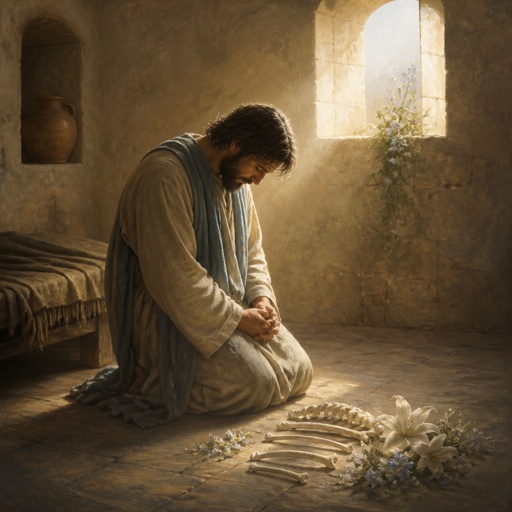
"Make me to hear joy and gladness; that the bones which thou hast broken may rejoice." - Psalms 51:8

Psalms 89:51 - "Wherewith thine enemies have reproached, O LORD; wherewith they have reproached the footsteps of thine anointed."

Psalms 51:8 - "Make me to hear joy and gladness; that the bones which thou hast broken may rejoice."

Psalms 51:11 - "Cast me not away from thy presence; and take not thy holy spirit from me."

Psalms 51:17 - "The sacrifices of God are a broken spirit: a broken and a contrite heart, O God, thou wilt not despise."

Psalms 51:6 - "Behold, thou desirest truth in the inward parts: and in the hidden part thou shalt make me to know wisdom."

Psalms 51:15 - "O Lord, open thou my lips; and my mouth shall shew forth thy praise."

Psalms 119:51 - "The proud have had me greatly in derision: yet have I not declined from thy law."

"Have mercy upon me, O God, according to thy lovingkindness: according unto the multitude of thy tender mercies blot out my transgressions." (Psalms 51:1)

Mark 14:51

Leviticus 14:51

Psalms 51:19 - "Then shalt thou be pleased with the sacrifices of righteousness, with burnt offering and whole burnt offering: then shall they offer bullocks upon thine altar."

Psalms 51:1 - "Have mercy upon me, O God, according to thy lovingkindness: according unto the multitude of thy tender mercies blot out my transgressions."
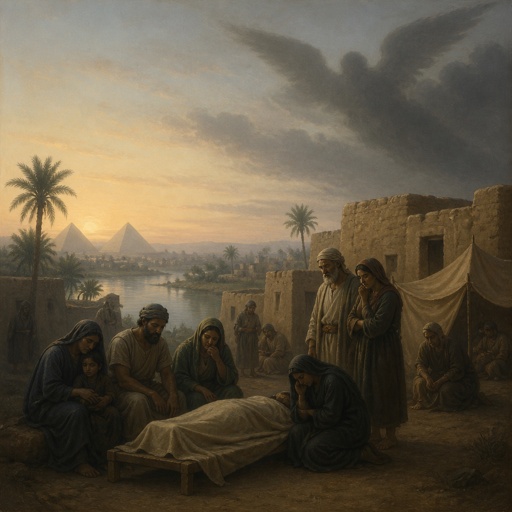
"And smote all the firstborn in Egypt; the chief of their strength in the tabernacles of Ham:" - Psalms 78:51