What does Psalms 53:4 mean?
“Have the workers of iniquity no knowledge? who eat up my people as they eat bread: they have not called upon God.” — Psalms 53:4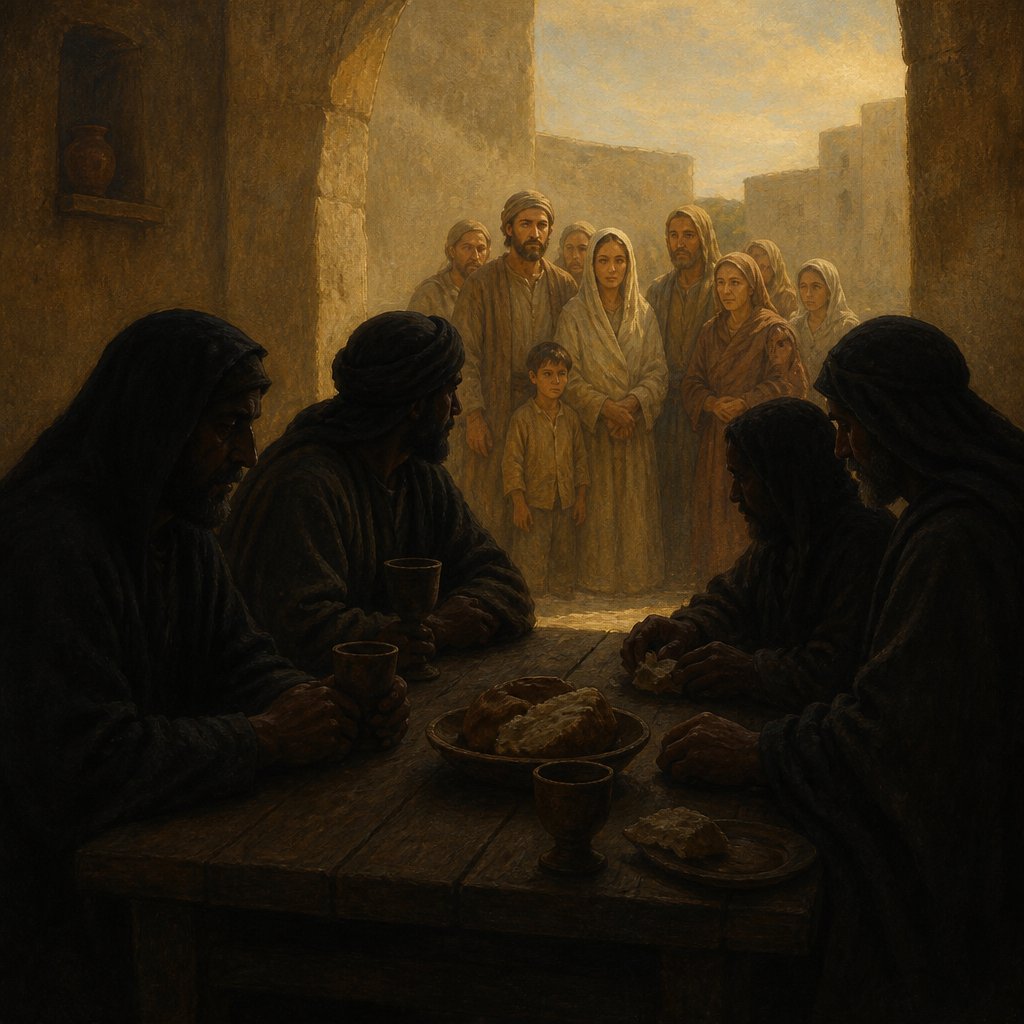
The Bible verse Psalms 53:4 in the King James Version (KJV) reads, "Have the workers of iniquity no knowledge? who eat up my people as they eat bread: they have not called upon God."
This verse is part of a larger Psalm that focuses on the folly of those who deny the existence of God and live according to their own desires. The entire Psalm 53 is a reflection on the nature of humanity and the consequences of living a life that does not acknowledge God. It speaks to the foolishness of those who do not seek the wisdom and guidance of God, and the destructive impact such a mindset can have on individuals and society as a whole.
In Psalms 53:4, the psalmist questions the lack of knowledge and understanding of those who engage in sinful behavior. The phrase "workers of iniquity" refers to those who actively engage in sinful, immoral, or unjust actions, often at the expense of others. The psalmist uses the metaphor of these individuals "eating up my people as they eat bread" to convey the destructive and consumptive nature of their actions. This imagery emphasizes the way in which the workers of iniquity harm and exploit others for their own gain, without regard for the well-being of those they victimize.
The verse concludes by highlighting the workers of iniquity's disregard for God. Their failure to "call upon God" reflects their rejection of divine guidance, wisdom, and moral accountability. By neglecting to acknowledge and seek God, they further distance themselves from the source of truth, righteousness, and wisdom. In doing so, they perpetuate their own ignorance and perpetuate a cycle of sin and destruction.
In its broader context, this verse speaks to the larger theme of the consequences of denying God and living in opposition to His will. The psalmist portrays the workers of iniquity as individuals who have lost their moral compass and have become consumed by their own selfish desires. Their lack of knowledge and understanding stems from their rejection of God and His truth, leading them down a path of moral corruption and societal decay.
Symbolically, this verse serves as a cautionary tale about the perils of living a life devoid of spiritual insight and divine guidance. The imagery of consuming "my people as they eat bread" highlights the destructive and dehumanizing impact of sin and injustice. It also serves as a vivid reminder of the responsibility that individuals bear towards one another, and the consequences of neglecting this responsibility in favor of self-serving behaviors.
Ultimately, Psalms 53:4 offers a poignant reflection on the pervasive effects of sin and the dangers of living a life devoid of moral grounding and spiritual wisdom. It calls attention to the destructive influence of those who choose to ignore God and live according to their own selfish desires, and serves as a reminder of the importance of seeking divine guidance and living in accordance with moral and ethical principles. The psalmist's words resonate as a timeless warning against the moral and spiritual perils of rejecting God and turning towards sinful ways.
Get our apps


Artwork for Psalms 53:4

Psalms 53:4 - "Have the workers of iniquity no knowledge? who eat up my people as they eat bread: they have not called upon God."
"Have the workers of iniquity no knowledge? who eat up my people as they eat bread: they have not called upon God." - Psalms 53:4

Psalms 78:53 - "And he led them on safely, so that they feared not: but the sea overwhelmed their enemies."

Psalms 119:53 - "Horror hath taken hold upon me because of the wicked that forsake thy law."

Psalms 53:3 - "Every one of them is gone back: they are altogether become filthy; there is none that doeth good, no, not one."

Psalms 53:1 - "The fool hath said in his heart, There is no God. Corrupt are they, and have done abominable iniquity: there is none that doeth good."

Psalms 53:2 - "God looked down from heaven upon the children of men, to see if there were any that did understand, that did seek God."

Psalms 53:6 - "Oh that the salvation of Israel were come out of Zion! When God bringeth back the captivity of his people, Jacob shall rejoice, and Israel shall be glad."

"And he led them on safely, so that they feared not: but the sea overwhelmed their enemies." - Psalms 78:53
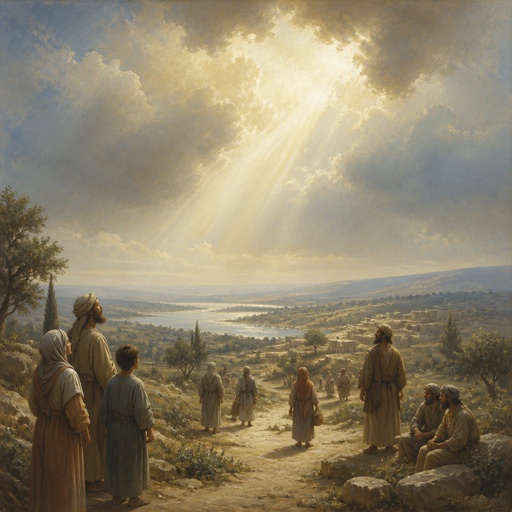
"God looked down from heaven upon the children of men, to see if there were any that did understand, that did seek God." - Psalms 53:2

Psalms 53:5 - "There were they in great fear, where no fear was: for God hath scattered the bones of him that encampeth against thee: thou hast put them to shame, because God hath despised them."
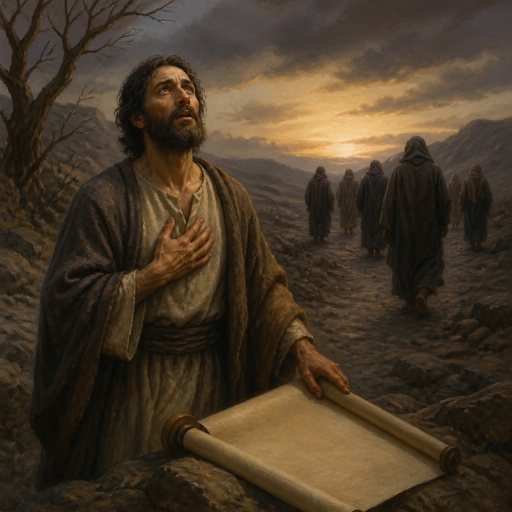
"Horror hath taken hold upon me because of the wicked that forsake thy law." - Psalms 119:53

Psalms 114:4 - "The mountains skipped like rams, and the little hills like lambs."
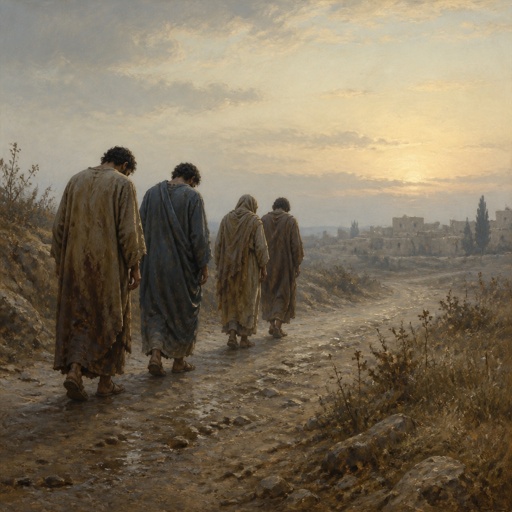
"Every one of them is gone back: they are altogether become filthy; there is none that doeth good, no, not one." - Psalms 53:3

"For this was a statute for Israel, and a law of the God of Jacob." - Psalms 81:4

"For there are no bands in their death: but their strength is firm." - Psalms 73:4
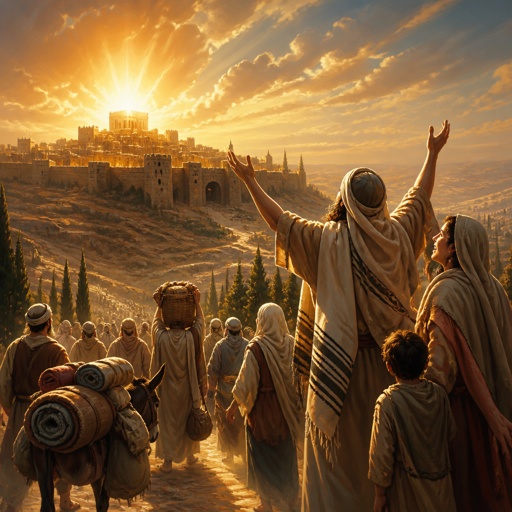
Psalms 53:6 - "Oh that the salvation of Israel were come out of Zion! When God bringeth back the captivity of his people, Jacob shall rejoice, and Israel shall be glad."
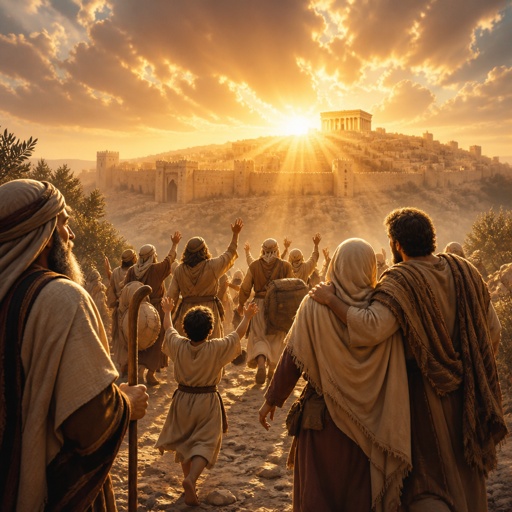
Psalms 53:6 - "Oh that the salvation of Israel were come out of Zion! When God bringeth back the captivity of his people, Jacob shall rejoice, and Israel shall be glad."

Psalms 104:4 - "Who maketh his angels spirits; his ministers a flaming fire:"
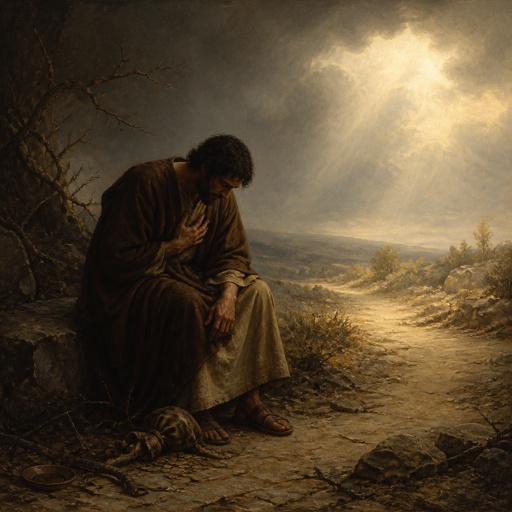
"The fool hath said in his heart, There is no God. Corrupt are they, and have done abominable iniquity: there is none that doeth good." - Psalms 53:1

Psalms 63:4 - "Thus will I bless thee while I live: I will lift up my hands in thy name."

"Offer the sacrifices of righteousness, and put your trust in the LORD." - Psalms 4:5

"They wandered in the wilderness in a solitary way; they found no city to dwell in." - Psalms 107:4

"As arrows are in the hand of a mighty man; so are children of the youth." - Psalms 127:4

Psalms 23:4

"The mountains skipped like rams, and the little hills like lambs." - Psalms 114:4

"Man is like to vanity: his days are as a shadow that passeth away." - Psalms 144:4
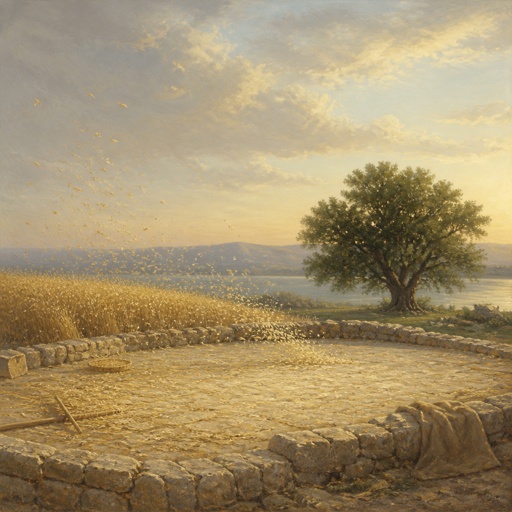
"The ungodly are not so: but are like the chaff which the wind driveth away." - Psalms 1:4

"His lightnings enlightened the world: the earth saw, and trembled." - Psalms 97:4

"Thou art more glorious and excellent than the mountains of prey." - Psalms 76:4