What does Psalms 55:19 mean?
“God shall hear, and afflict them, even he that abideth of old. Selah. Because they have no changes, therefore they fear not God.” — Psalms 55:19
Psalms 55:19 (KJV) states, "God shall hear, and afflict them, even he that abideth of old. Selah. Because they have no changes, therefore they fear not God." This verse is part of Psalm 55, a prayer for deliverance from enemies. The psalmist is crying out to God for help and protection from those who seek to harm him. The verse in question is a proclamation of faith in God's justice and a warning to those who do not fear Him.
The verse begins with the affirmation that God will hear the cries of the oppressed and afflicted. This reassures the psalmist and the readers that God is attentive to their suffering and will not ignore their prayers. The psalmist trusts in God's ability to right the wrongs and to bring judgment upon the wicked. This sentiment is common throughout the Book of Psalms, as it reflects the belief in divine justice and the hope for deliverance from persecution.
The verse then goes on to describe the fate of the enemies who do not fear God. It states that God will afflict them, even he that abideth of old. This is a reference to the ancient and enduring nature of God, who has existed from the beginning of time and will continue to exist for eternity. This description emphasizes the power and authority of God, as well as His ability to carry out judgment against those who oppose Him.
The concept of divine affliction is a recurring theme in the Bible, often associated with the punishment of the wicked and the vindication of the righteous. In this verse, it serves as a warning to those who do not fear God and who perpetrate evil deeds. It implies that their actions will not go unpunished and that God will ultimately bring retribution upon them.
The verse concludes with the explanation for why the enemies will face affliction from God: "Because they have no changes, therefore they fear not God." This line is somewhat cryptic and open to interpretation. One possible explanation is that the enemies' lack of change or repentance reflects their stubborn and unyielding nature. They refuse to turn from their wicked ways and to acknowledge God's sovereignty, which in turn leads to their lack of fear or reverence for Him.
Another interpretation is that the lack of changes refers to the enemies' prosperity and success, despite their godless and unjust behavior. They have not experienced any consequences or setbacks, which has led to their arrogant disregard for God. This interpretation aligns with the broader theme of divine justice and the eventual downfall of the wicked.
The use of the word "Selah" at the end of the verse adds a sense of solemnity and reflection. This term, found frequently in the Book of Psalms, signifies a pause or a musical interlude, prompting the reader to meditate on the preceding words. It serves as a reminder to consider the weight of the message and to internalize its significance.
Overall, Psalms 55:19 conveys a message of hope and assurance for the oppressed, as well as a warning to the oppressors. It speaks to the belief in God's justice and his ability to bring retribution upon those who act in defiance of His will. The verse serves as a call to faith and a reminder of the ultimate authority of God.
In terms of its broader context within Psalm 55, this verse is part of a larger plea for deliverance from betrayal and persecution. The psalmist expresses his anguish over the treachery of a close friend, as well as the oppression and violence he faces from his enemies. He appeals to God for protection and justice, seeking refuge from the turmoil and turmoil around him. The verse in question reflects the psalmist's confidence in God's intervention and serves as a statement of faith in the face of adversity.
Symbolically, Psalms 55:19 represents the juxtaposition of divine justice and human folly. It highlights the contrast between the unchanging and eternal nature of God and the fickle and unrepentant nature of sinful humanity. The verse underscores the theme of retribution and the eventual accountability of all individuals before God. It serves as a poignant reminder of the consequences of godlessness and the hope for deliverance through faith in God.
In conclusion, Psalms 55:19 (KJV) is a powerful and evocative verse that encapsulates the themes of divine justice, faith, and deliverance. It conveys a message of hope for the oppressed and a warning to the oppressors, underscoring the belief in God's sovereignty and His ultimate authority. The verse serves as a source of inspiration and comfort for those facing adversity, as well as a sobering admonition for those who act in defiance of God. It is a testament to the enduring relevance and profound wisdom of the Book of Psalms, offering timeless insights into the human experience and the divine nature of God.
Get our apps


Artwork for Psalms 55:19

Psalms 55:19 - "God shall hear, and afflict them, even he that abideth of old. Selah. Because they have no changes, therefore they fear not God."

"God shall hear, and afflict them, even he that abideth of old. Selah. Because they have no changes, therefore they fear not God." - Psalms 55:19

Psalms 55:1 - "Give ear to my prayer, O God; and hide not thyself from my supplication."

"I would hasten my escape from the windy storm and tempest." - Psalms 55:8

Psalms 55:13 - "But it was thou, a man mine equal, my guide, and mine acquaintance."
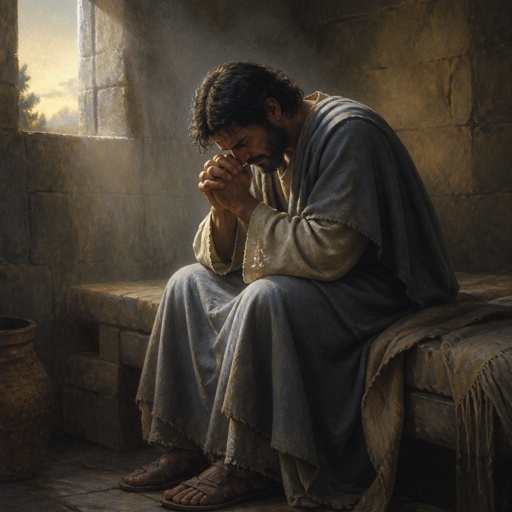
"Fearfulness and trembling are come upon me, and horror hath overwhelmed me." - Psalms 55:5

"Lo, then would I wander far off, and remain in the wilderness. Selah." - Psalms 55:7

Psalms 55:8 - "I would hasten my escape from the windy storm and tempest."

Psalms 55:7 - "Lo, then would I wander far off, and remain in the wilderness. Selah."

Psalms 55:5 - "Fearfulness and trembling are come upon me, and horror hath overwhelmed me."

Psalms 55:16 - "As for me, I will call upon God; and the LORD shall save me."

Psalms 55:11 - "Wickedness is in the midst thereof: deceit and guile depart not from her streets."

Psalms 55:10 - "Day and night they go about it upon the walls thereof: mischief also and sorrow are in the midst of it."

Psalms 55:4 - "My heart is sore pained within me: and the terrors of death are fallen upon me."

Psalms 55:14 - "We took sweet counsel together, and walked unto the house of God in company."

"Attend unto me, and hear me: I mourn in my complaint, and make a noise;" - Psalms 55:2

Psalms 55:9 - "Destroy, O Lord, and divide their tongues: for I have seen violence and strife in the city."

Psalms 55:2 - "Attend unto me, and hear me: I mourn in my complaint, and make a noise;"

Psalms 119:55 - "I have remembered thy name, O LORD, in the night, and have kept thy law."
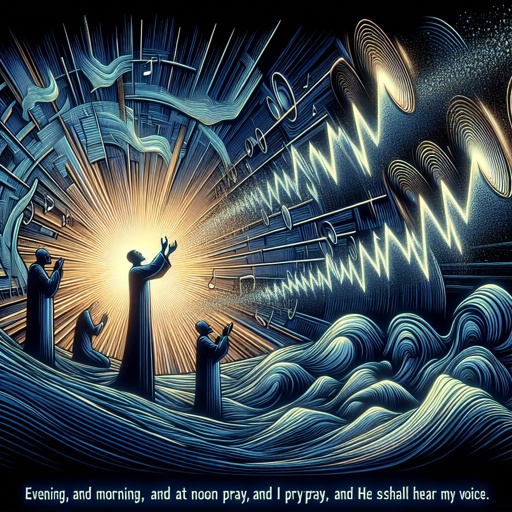
Psalms 55:17 - "Evening, and morning, and at noon, will I pray, and cry aloud: and he shall hear my voice."

Psalms 55:3 - "Because of the voice of the enemy, because of the oppression of the wicked: for they cast iniquity upon me, and in wrath they hate me."

Psalms 55:18 - "He hath delivered my soul in peace from the battle that was against me: for there were many with me."

Psalms 55:6 - "And I said, Oh that I had wings like a dove! for then would I fly away, and be at rest."

Psalms 55:20 - "He hath put forth his hands against such as be at peace with him: he hath broken his covenant."

Psalms 78:55 - "He cast out the heathen also before them, and divided them an inheritance by line, and made the tribes of Israel to dwell in their tents."

Psalms 55:15 - "Let death seize upon them, and let them go down quick into hell: for wickedness is in their dwellings, and among them."

Psalms 55:22 - "Cast thy burden upon the LORD, and he shall sustain thee: he shall never suffer the righteous to be moved."

Psalms 55:21 - "The words of his mouth were smoother than butter, but war was in his heart: his words were softer than oil, yet were they drawn swords."

"But it was thou, a man mine equal, my guide, and mine acquaintance." - Psalms 55:13

Psalms 55:23 - "But thou, O God, shalt bring them down into the pit of destruction: bloody and deceitful men shall not live out half their days; but I will trust in thee."