What does Psalms 56:3-4 mean?
“What time I am afraid, I will trust in thee. In God I will praise his word, in God I have put my trust; I will not fear what flesh can do unto me.” — Psalms 56:3-4
Psalm 56 is a psalm of David written from a place of real danger and human vulnerability. The title in the KJV points to a specific crisis: “when the Philistines took him in Gath.” Whether one reads that as literal capture or as the broader experience of being trapped in enemy territory, it frames the psalm as the prayer of a man surrounded, watched, and threatened. In that setting, Psalm 56:3–4 becomes the hinge of the whole song: fear is acknowledged without pretending it is not there, and then fear is deliberately answered with trust.
The words themselves are plain and direct: “What time I am afraid, I will trust in thee. In God I will praise his word, in God I have put my trust; I will not fear what flesh can do unto me.” David does not claim that a faithful person never feels afraid. He admits the reality of fear as something that comes at certain “times,” seasons, and moments. Yet the verse does not leave fear as the ruling force. It sets fear inside a larger spiritual reflex: when fear rises, it becomes the occasion to turn toward God. The significance is that trust is presented not as a mood that happens naturally, but as a chosen act of the will directed toward a Person: “I will trust in thee.” The direction matters. David is not trusting an outcome, a strategy, or his own ability to survive. He is trusting God Himself.
Then David adds a striking phrase: “In God I will praise his word.” In the immediate context of threat, “his word” functions as the solid ground under David’s feet. God’s word is what can be praised even when circumstances are not praiseworthy. In the KJV language, “word” carries the weight of what God has spoken, promised, and revealed about His character. David is not merely saying he will speak religious words to calm himself; he is saying that God’s spoken truth is worthy of praise, and that praising it becomes a way of holding fast to it. The verse repeats the thought—“in God I have put my trust”—as if to press the decision deeper into the heart. Repetition here is not filler; it is the sound of a soul steadying itself under pressure, insisting on where its confidence belongs.
The last line brings in a vivid contrast: “I will not fear what flesh can do unto me.” “Flesh” symbolizes human power at its strongest and human hostility at its worst, but also human limitation. People can wound, imprison, slander, and kill; yet they remain “flesh,” not God. The phrase does not deny that “flesh” can do real harm—David’s whole situation assumes that it can. The point is that the ultimate authority and final say do not belong to “flesh.” This is where the verse’s theology becomes sharp: fear shrinks when the soul remembers the difference between the Creator and the creature. David’s enemies are many, but they are still mortal; God is not. In that light, “I will not fear” is not bravado; it is a confession that God’s sovereignty is greater than human threat.
Within Psalm 56 as a whole, these verses stand amid descriptions of enemies watching David’s steps, twisting his words, and gathering themselves together against him. That context helps explain why David’s trust is attached to God’s “word.” When human words are being distorted and used as weapons, God’s word remains true and unchanging. The psalm later speaks of God counting David’s wanderings and putting his tears into a bottle, showing that God’s care is intimate and personal even in exile and distress. Psalm 56:3–4 is the moment where that broader conviction is voiced in the face of immediate fear: God sees, God has spoken, God can be trusted, and therefore fear does not get the final rule over the heart.
Symbolically, the movement of the two verses is from inner turmoil to inner worship. Fear is an inward experience, but David refuses to let it remain only inward; he turns it into a Godward act: trust, then praise. Praise here is not merely singing; it is valuing God’s word above the enemy’s threats and above the heart’s panic. The significance is that David locates courage not in the absence of danger but in the presence of God. The danger is real, the fear is real, and yet trust is more real still because it rests on God and on what God has spoken. In that sense, Psalm 56:3–4 teaches that faith does not begin by denying human weakness; it begins by bringing that weakness into contact with God’s strength, and by letting God’s word define what is ultimately worth fearing.
Get our apps


Artwork for Psalms 56:3-4

"What time I am afraid, I will trust in thee. In God I will praise his word, in God I have put my trust; I will not fear what flesh can do unto me." - Psalms 56:3-4
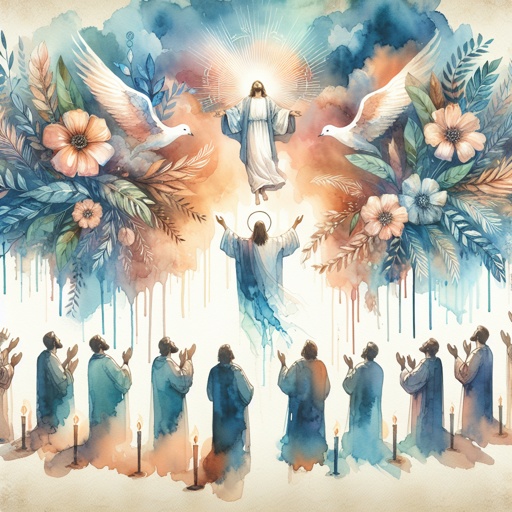
Psalms 56:3

Psalms 56:3 - "What time I am afraid, I will trust in thee."

"What time I am afraid, I will trust in thee." - Psalms 56:3

Psalms 56:5 - "Every day they wrest my words: all their thoughts are against me for evil."

Psalms 56:4 - "In God I will praise his word, in God I have put my trust; I will not fear what flesh can do unto me."

Psalm 56:3-4 - "When I am afraid, I put my trust in you. In God, whose word I praise— in God I trust and am not afraid. What can mere mortals do to me?"

Psalms 119:56 - "This I had, because I kept thy precepts."

Psalms 78:56 - "Yet they tempted and provoked the most high God, and kept not his testimonies:"

Psalms 56:10 - "In God will I praise his word: in the LORD will I praise his word."

"In God will I praise his word: in the LORD will I praise his word." - Psalms 56:10

Psalms 56:7 - "Shall they escape by iniquity? in thine anger cast down the people, O God."

Psalms 56:8 - "Thou tellest my wanderings: put thou my tears into thy bottle: are they not in thy book?"

Psalms 56:6 - "They gather themselves together, they hide themselves, they mark my steps, when they wait for my soul."

Psalms 56:12 - "Thy vows are upon me, O God: I will render praises unto thee."

Psalms 56:9 - "When I cry unto thee, then shall mine enemies turn back: this I know; for God is for me."

Psalms 56:11 - "In God have I put my trust: I will not be afraid what man can do unto me."

Psalms 56:2 - "Mine enemies would daily swallow me up: for they be many that fight against me, O thou most High."

Psalms 56:1 - "Be merciful unto me, O God: for man would swallow me up; he fighting daily oppresseth me."

"Be merciful unto me, O God: for man would swallow me up; he fighting daily oppresseth me." - Psalms 56:1

"This I had, because I kept thy precepts." - Psalms 119:56

"In God have I put my trust: I will not be afraid what man can do unto me." - Psalms 56:11

Isaiah 56:3-5

"Yet they tempted and provoked the most high God, and kept not his testimonies:" - Psalms 78:56

"Every day they wrest my words: all their thoughts are against me for evil." - Psalms 56:5

"Shall they escape by iniquity? in thine anger cast down the people, O God." - Psalms 56:7

Psalms 56:13 - "For thou hast delivered my soul from death: wilt not thou deliver my feet from falling, that I may walk before God in the light of the living?"
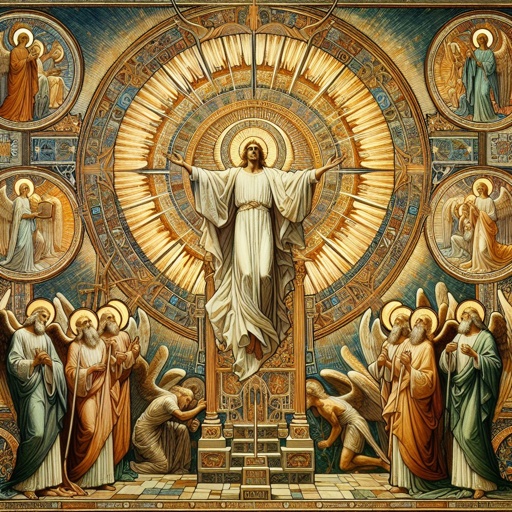
Psalms 111:3 - "His work is honourable and glorious: and his righteousness endureth for ever."

"In God I will praise his word, in God I have put my trust; I will not fear what flesh can do unto me." - Psalms 56:4
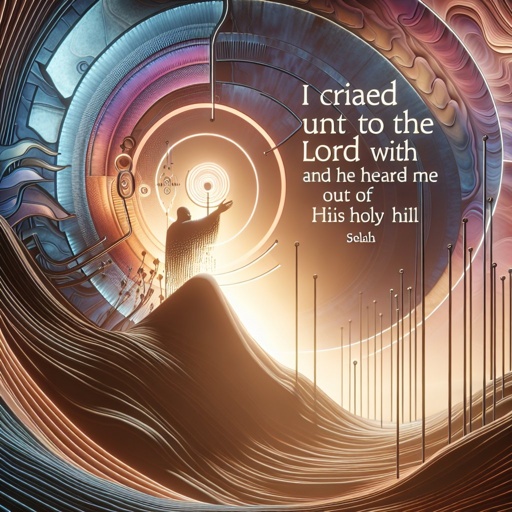
Psalms 3:4 - "I cried unto the LORD with my voice, and he heard me out of his holy hill. Selah."