What does Psalms 5:11-12 mean?
"But let all those that put their trust in thee rejoice: let them ever shout for joy, because thou defendest them: let them also that love thy name be joyful in thee. For thou, LORD, wilt bless the righteous; with favour wilt thou compass him as [with] a shield." - Psalms 5:11-12
!["But let all those that put their trust in thee rejoice: let them ever shout for joy, because thou defendest them: let them also that love thy name be joyful in thee.
For thou, LORD, wilt bless the righteous; with favour wilt thou compass him as [with] a shield." - Psalms 5:11-12](https://media.bible.art/6c1dc57f-fc53-467b-b129-fa3600e9c7fb-compressed.jpg)
Psalm 5 is a morning prayer of David in which he sets himself before the LORD as a worshipper who must speak plainly in a world where wickedness speaks loudly. Earlier in the psalm he describes the LORD as the God who “hast no pleasure in wickedness,” and he contrasts “the foolish” and “workers of iniquity” with the man who comes into God’s house “in the multitude of thy mercy.” The tone is both personal and judicial: David is not merely asking for comfort, but for righteous governance. He is seeking to be led in God’s righteousness because enemies are near, and deceit is active. Against that backdrop, Psalms 5:11–12 closes the prayer with a bright, confident conclusion, showing what life looks like under the LORD’s favor and what becomes of those who truly trust him.
“But let all those that put their trust in thee rejoice: let them ever shout for joy, because thou defendest them: let them also that love thy name be joyful in thee.” The verse begins with an open invitation and a firm distinction: not all rejoice, but “all those that put their trust in thee.” Trust is the dividing line in Psalm 5. David has just spoken of bloodthirsty and deceitful men, whose words are a snare, and whose inward parts are “very wickedness.” In that environment, rejoicing is not naive optimism; it is the fruit of refuge. The rejoicing here is anchored in relationship and protection, “because thou defendest them.” The joy is not merely emotional release but covenantal safety, the settled confidence that the LORD acts as a protector for those who take shelter in him. The language is public and exuberant—“ever shout for joy”—suggesting worship that cannot be reduced to private sentiment. It is sustained (“ever”) because the defense of God is not occasional. The phrase “love thy name” adds another dimension: not only do the faithful trust God for help, they cherish who he is. In Scripture, God’s “name” is not a label but the revealed reality of his character and reputation. To “love thy name” is to love his holiness, truth, justice, mercy, and faithfulness as he has made himself known. Therefore their joy is “in thee,” not merely in changed circumstances. The center of gravity is God himself, and that makes the joy durable even when enemies remain.
“For thou, LORD, wilt bless the righteous; with favour wilt thou compass him as with a shield.” The final verse supplies the ground of the rejoicing: blessing is not random; it is tied to righteousness as God defines it. In the psalm’s context, “the righteous” are those who are aligned with the LORD—coming by mercy, seeking his guidance, refusing deceit, and depending upon him rather than plotting evil. The blessing here is not described primarily as prosperity but as “favour,” and that favour is pictured in rich symbolism: “wilt thou compass him as with a shield.” To be “compassed” is to be surrounded on all sides, implying comprehensive protection rather than a narrow, partial assistance. The “shield” image is military and personal. A shield is carried close; it intercepts what would otherwise strike the body. It does not remove the existence of battle, but it changes what the battle can do. David’s world, filled with adversaries and slander, makes that image especially pointed: the righteous may still face arrows, but the LORD’s favour stands between the threat and the soul. This also completes the movement of the psalm: David began by directing his prayer upward in the morning, asking God to hear; he ends with the assurance that God’s posture toward the righteous is not merely to listen but to bless and to protect.
Taken together, Psalms 5:11–12 teaches that the proper response of those who trust the LORD is joyful worship, not because life is effortless, but because God defends. It teaches that love for God’s name—love for his revealed character—is inseparable from true joy “in” him. It teaches that righteousness is not an empty word in the presence of evil; it is the path God blesses. And it teaches that God’s favour is not a vague kindness but an active, surrounding safeguard, “as with a shield,” making the believer’s security ultimately a matter of divine presence and divine disposition. The significance of the closing is that David’s prayer does not end with his enemies; it ends with God’s favour. The last word is protection, blessing, and joy for those who take refuge in the LORD.
Have questions about Psalms 5:11-12?
Dive deeper into this scripture with Bible Chat — an AI-powered tool for exploring God's Word through conversation. Ask questions, get context, and grow in your understanding of the Bible.
Get Our Apps


Psalms 5:11-12 Artwork
!["But let all those that put their trust in thee rejoice: let them ever shout for joy, because thou defendest them: let them also that love thy name be joyful in thee.
For thou, LORD, wilt bless the righteous; with favour wilt thou compass him as [with] a shield." - Psalms 5:11-12](https://media.bible.art/5d437a19-a17a-427e-beb5-66e2078cbb07-thumbnail.jpg)
"But let all those that put their trust in thee rejoice: let them ever shout for joy, because thou defendest them: let them also that love thy name be joyful in thee. For thou, LORD, wilt bless the righteous; with favour wilt thou compass him as [with] a shield." - Psalms 5:11-12

Psalms 98:5 - "Sing unto the LORD with the harp; with the harp, and the voice of a psalm."

Psalms 5:11 - "But let all those that put their trust in thee rejoice: let them ever shout for joy, because thou defendest them: let them also that love thy name be joyful in thee."

"The LORD trieth the righteous: but the wicked and him that loveth violence his soul hateth." - Psalms 11:5

Psalms 11:5 - "The LORD trieth the righteous: but the wicked and him that loveth violence his soul hateth."

Psalms 5:12 - "For thou, LORD, wilt bless the righteous; with favour wilt thou compass him as with a shield."

"Sing unto the LORD with the harp; with the harp, and the voice of a psalm." - Psalms 98:5

Psalms 98:5 - "Sing unto the LORD with the harp; with the harp, and the voice of a psalm."

Psalms 98:5 - "Sing unto the LORD with the harp; with the harp, and the voice of a psalm."

Psalms 98:5 - "Sing unto the LORD with the harp; with the harp, and the voice of a psalm."

Psalms 98:5 - "Sing unto the LORD with the harp; with the harp, and the voice of a psalm."

Psalms 98:5 - "Sing unto the LORD with the harp; with the harp, and the voice of a psalm."

Psalms 12:5 - "For the oppression of the poor, for the sighing of the needy, now will I arise, saith the LORD; I will set him in safety from him that puffeth at him."

Psalms 98:5 - "Sing unto the LORD with the harp; with the harp, and the voice of a psalm." Light pastel colors

Psalms 17:5 - "Hold up my goings in thy paths, that my footsteps slip not."

Psalms 98:5 - "Sing unto the LORD with the harp; with the harp, and the voice of a psalm." Light pastel colors

proverbs 5:11-12

"For the oppression of the poor, for the sighing of the needy, now will I arise, saith the LORD; I will set him in safety from him that puffeth at him." - Psalms 12:5

proverbs 5:11-12

Psalms 56:5 - "Every day they wrest my words: all their thoughts are against me for evil."

Psalms 37:11 - "But the meek shall inherit the earth; and shall delight themselves in the abundance of peace."

Psalms 5:2 - "Hearken unto the voice of my cry, my King, and my God: for unto thee will I pray."
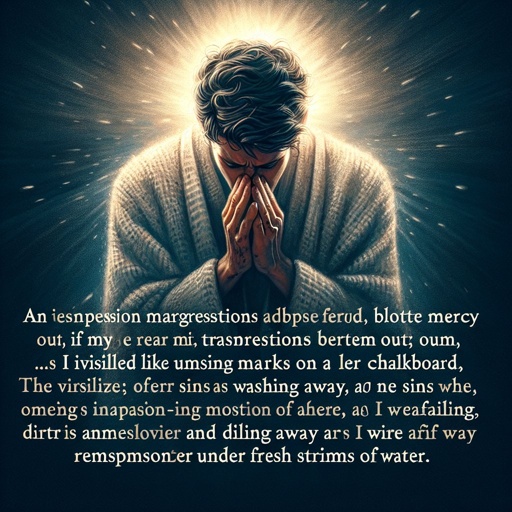
Psalm 51:1-2 - "Have mercy on me, O God, according to your unfailing love; according to your great compassion blot out my transgressions. Wash away all my iniquity and cleanse me from my sin."

Psalms 148:5 - "Let them praise the name of the LORD: for he commanded, and they were created."

Psalms 29:5 - "The voice of the LORD breaketh the cedars; yea, the LORD breaketh the cedars of Lebanon."

"Then believed they his words; they sang his praise." - Psalms 106:12

Psalms 12:7 - "Thou shalt keep them, O LORD, thou shalt preserve them from this generation for ever."

Psalms 98:5 - "Sing unto the LORD with the harp; with the harp, and the voice of a psalm." Light pastel colors, heavenly, peace, calm healing

"Give ear to my words, O LORD, consider my meditation." - Psalms 5:1

Psalms 62:5 - "My soul, wait thou only upon God; for my expectation is from him."