What does Psalms 60:6 mean?
“God hath spoken in his holiness; I will rejoice, I will divide Shechem, and mete out the valley of Succoth.” — Psalms 60:6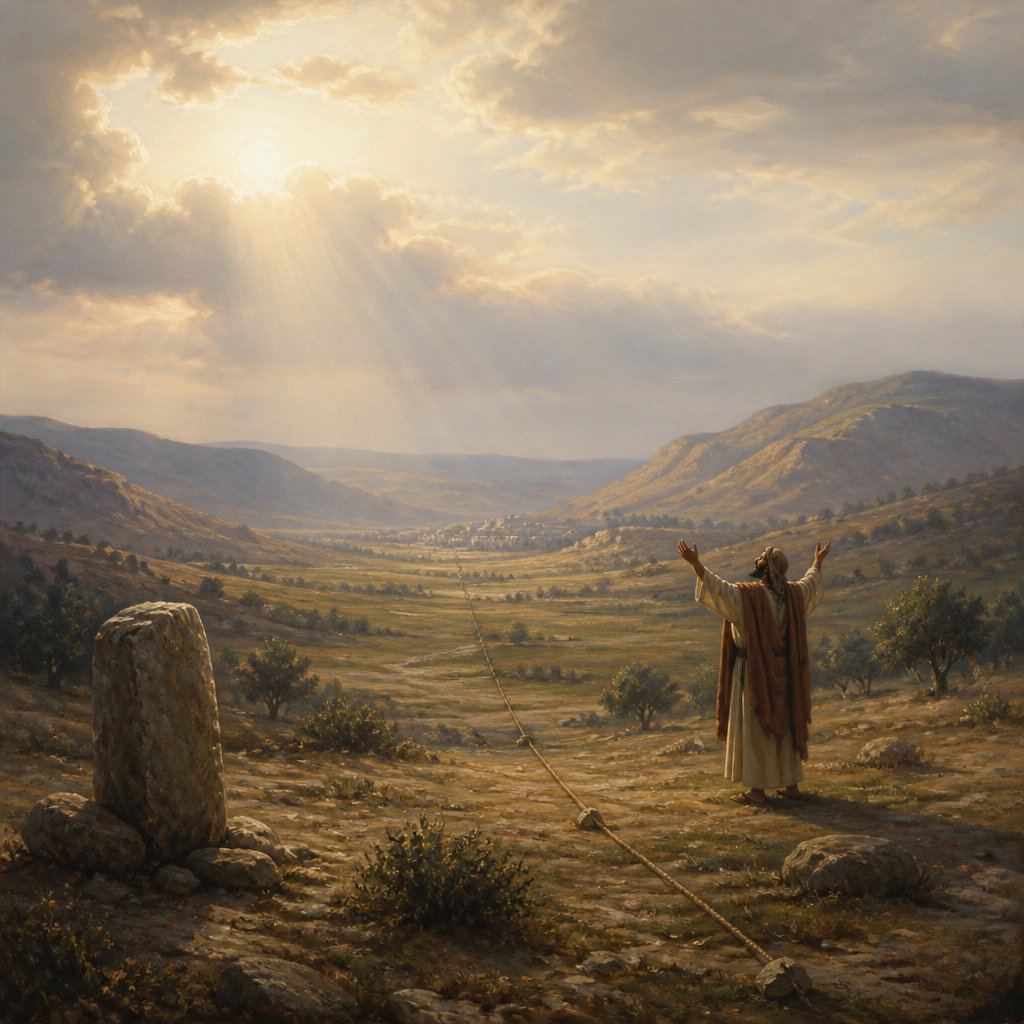
The Bible verse Psalms 60:6 from the King James Version (KJV) reads: "God hath spoken in his holiness; I will rejoice, I will divide Shechem, and mete out the valley of Succoth."
This verse is part of a psalm written by King David, in which he expresses his distress over the defeat of Israel and asks for God's help. The verse is often used as a reminder of the sovereignty and authority of God, and the trust that believers can have in Him.
The verse begins with the affirmation that "God hath spoken in his holiness." This statement emphasizes that God is holy and speaks truth. It also reflects the idea that God's words are powerful and authoritative. In the Bible, the concept of holiness refers to God's separateness, uniqueness, and purity. When God speaks in His holiness, it signifies the seriousness and sacredness of His words.
The following phrase "I will rejoice" is David's response to the affirmation of God's holiness. In the midst of turmoil and distress, David chooses to rejoice in God. This act of rejoicing demonstrates David's faith and trust in God's sovereignty and power. It sets an example for believers to find joy and strength in God, even in difficult circumstances.
The next part of the verse, "I will divide Shechem, and mete out the valley of Succoth," refers to the tribal allotment of land in the Promised Land. It is a reminder of God's faithfulness in fulfilling His promises to His people. Shechem and Succoth were both important locations in the biblical narrative, and they symbolize the inheritance and blessing that God grants to His people.
The mention of dividing and meting out the land also carries a deeper meaning. It symbolizes God's authority and sovereignty in establishing boundaries and providing for His people. It highlights the idea that God is in control of all things and is actively involved in the lives of His people, guiding and providing for them.
Overall, this verse reflects themes of God's holiness, sovereignty, and faithfulness. It emphasizes the importance of rejoicing in God's character and trusting in His promises. The verse serves as a source of encouragement and a reminder of the unwavering nature of God's love and protection for His people.
In its historical context, this verse speaks to the struggles and challenges faced by the nation of Israel. It acknowledges the difficulties and expresses a plea for God's intervention and help. The mention of Shechem and Succoth also carries significance in the history of Israel, as these were places where important events took place, such as Jacob's reconciliation with Esau and the victory over the Midianites.
Symbolically, this verse can be interpreted as a call to trust in God's plans and providence. It encourages believers to find strength and hope in God's faithfulness, even in times of trouble and uncertainty. The mention of the land allotment also points to the idea of God's ultimate provision and inheritance for His people, both in the physical and spiritual sense.
In conclusion, Psalms 60:6 from the King James Version offers a message of reassurance and hope in God's sovereignty and faithfulness. It calls believers to rejoice in God's holiness, trust in His promises, and find strength in His provision. It serves as a reminder of God's unwavering love and protection for His people, both in biblical times and in the present day.
Get our apps


Artwork for Psalms 60:6

Psalms 60:6 - "God hath spoken in his holiness; I will rejoice, I will divide Shechem, and mete out the valley of Succoth."
"God hath spoken in his holiness; I will rejoice, I will divide Shechem, and mete out the valley of Succoth." - Psalms 60:6

Psalms 60:12 - "Through God we shall do valiantly: for he it is that shall tread down our enemies."

Psalms 119:60 - "I made haste, and delayed not to keep thy commandments."

Psalms 60:9 - "Who will bring me into the strong city? who will lead me into Edom?"

Psalms 60:11 - "Give us help from trouble: for vain is the help of man."

Psalms 60:5 - "That thy beloved may be delivered; save with thy right hand, and hear me."
"That thy beloved may be delivered; save with thy right hand, and hear me." - Psalms 60:5

Psalms 78:60 - "So that he forsook the tabernacle of Shiloh, the tent which he placed among men;"

Psalms 60:2 - "Thou hast made the earth to tremble; thou hast broken it: heal the breaches thereof; for it shaketh."

Psalms 60:7 - "Gilead is mine, and Manasseh is mine; Ephraim also is the strength of mine head; Judah is my lawgiver;"

Psalms 60:4 - "Thou hast given a banner to them that fear thee, that it may be displayed because of the truth. Selah."
"Through God we shall do valiantly: for he it is that shall tread down our enemies." - Psalms 60:12

Psalms 60:3 - "Thou hast shewed thy people hard things: thou hast made us to drink the wine of astonishment."

Psalms 60:8 - "Moab is my washpot; over Edom will I cast out my shoe: Philistia, triumph thou because of me."

isaiah 60:6

Psalms 126:6
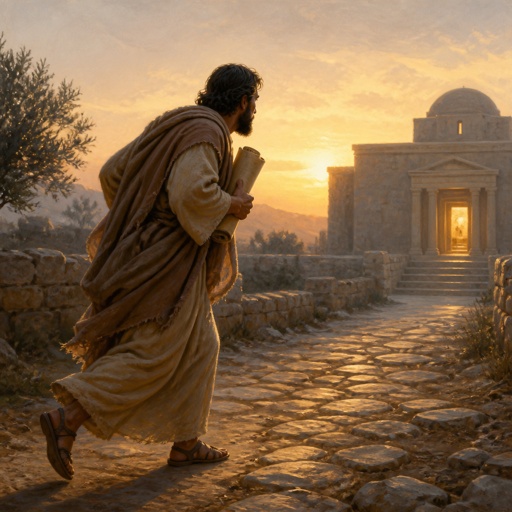
"I made haste, and delayed not to keep thy commandments." - Psalms 119:60
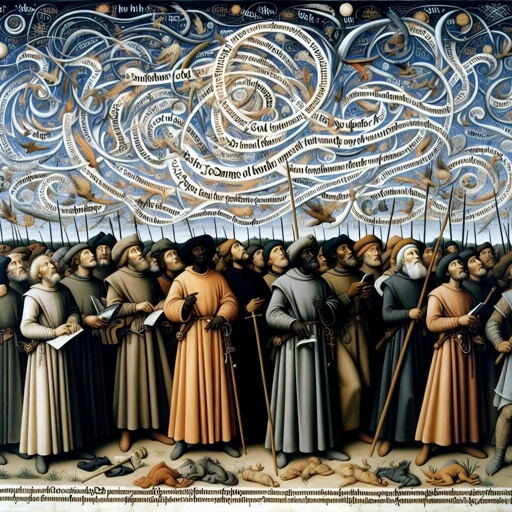
Psalms 60:10 - "Wilt not thou, O God, which hadst cast us off? and thou, O God, which didst not go out with our armies?"
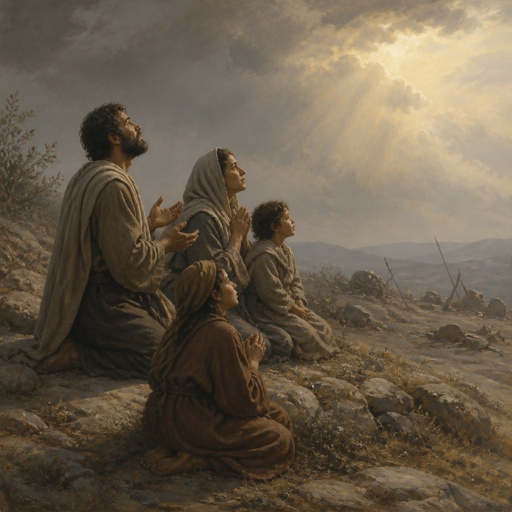
"Give us help from trouble: for vain is the help of man." - Psalms 60:11

Psalms 60:1 - "O God, thou hast cast us off, thou hast scattered us, thou hast been displeased; O turn thyself to us again."
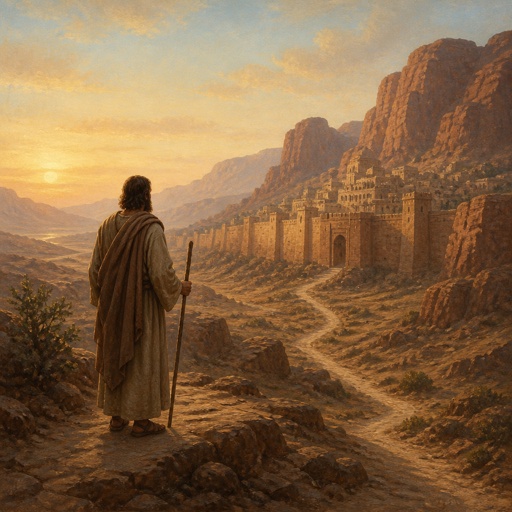
"Who will bring me into the strong city? who will lead me into Edom?" - Psalms 60:9
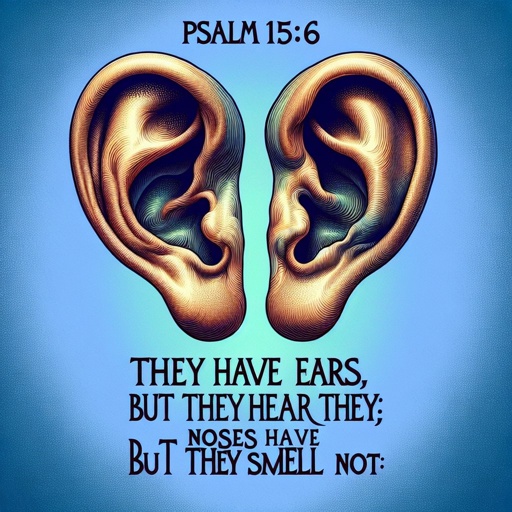
Psalms 115:6 - "They have ears, but they hear not: noses have they, but they smell not:"
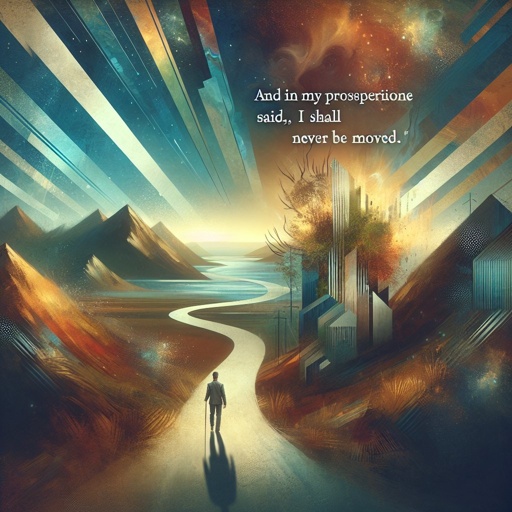
Psalms 30:6 - "And in my prosperity I said, I shall never be moved."
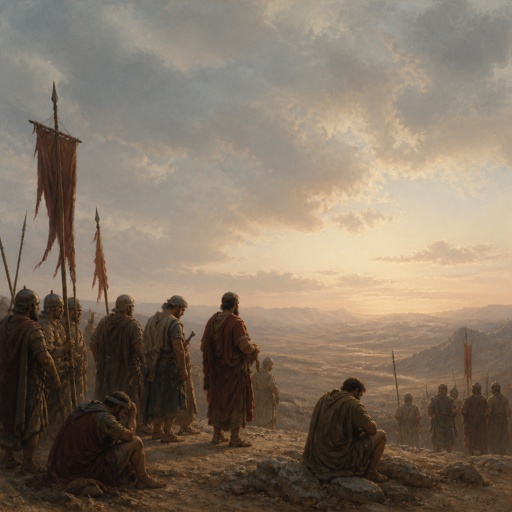
"Wilt not thou, O God, which hadst cast us off? and thou, O God, which didst not go out with our armies?" - Psalms 60:10
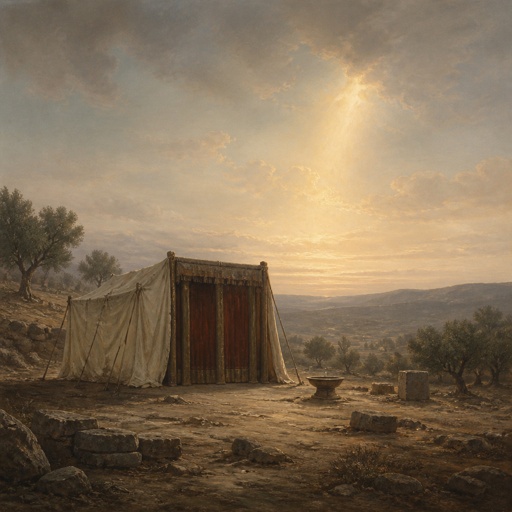
"So that he forsook the tabernacle of Shiloh, the tent which he placed among men;" - Psalms 78:60

Psalms 129:6 - "Let them be as the grass upon the housetops, which withereth afore it groweth up:"

Psalms 144:6 - "Cast forth lightning, and scatter them: shoot out thine arrows, and destroy them."
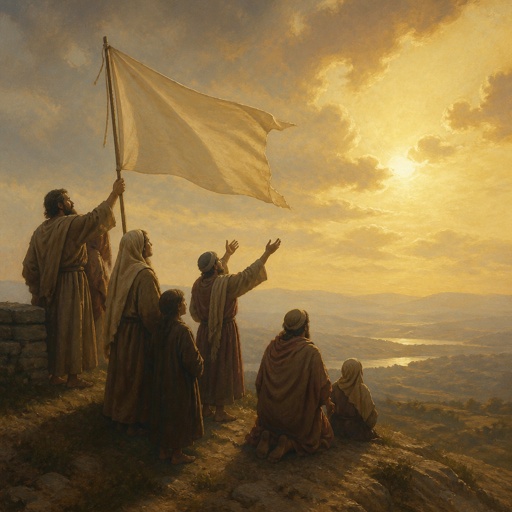
"Thou hast given a banner to them that fear thee, that it may be displayed because of the truth. Selah." - Psalms 60:4

Psalms 74:6 - "But now they break down the carved work thereof at once with axes and hammers."