What does Psalms 62:3 mean?
“How long will ye imagine mischief against a man? ye shall be slain all of you: as a bowing wall shall ye be, and as a tottering fence.” — Psalms 62:3
Psalms 62:3 (KJV) says, "How long will ye imagine mischief against a man? ye shall be slain all of you: as a bowing wall shall ye be, and as a tottering fence."
In order to understand the full meaning and significance of Psalms 62:3, it is important to look at the context of the verse within the greater passage of Psalm 62. This psalm is attributed to David and is a reflection on the theme of trust and reliance on God in the midst of opposition and adversity. In the earlier verses of Psalm 62, David expresses his confidence in God as his rock and salvation, and he encourages the reader to put their trust in God alone.
With this context in mind, Psalms 62:3 can be seen as a warning or a rebuke against those who seek to harm others through deceit and wicked schemes. David is addressing individuals who are plotting evil against an innocent man, and he warns them that they will ultimately face the consequences of their actions. The imagery of a "bowing wall" and a "tottering fence" is used to illustrate the instability and precariousness of their position. Just as a wall that is on the verge of collapse or a fence that is about to fall will ultimately crumble, so too will those who seek to harm others through their malicious intentions.
The use of this vivid imagery serves to emphasize the futility and inevitable downfall of those who engage in wrongdoing. It also conveys the idea that evil deeds are ultimately self-destructive, and those who perpetrate them will face their own demise. This sentiment is echoed in other biblical passages, such as Proverbs 26:27 which states, "Whoever digs a pit will fall into it, and a stone will come back on the one who starts it rolling."
Furthermore, Psalms 62:3 also reflects the theme of divine justice. David is conveying the belief that God will ultimately bring about justice and retribution for those who seek to harm others. This idea aligns with the broader biblical teaching on the righteous judgment of God, as expressed in passages such as Romans 12:19 which says, "Do not take revenge, my dear friends, but leave room for God's wrath, for it is written: 'It is mine to avenge; I will repay,' says the Lord."
In addition to its thematic significance, Psalms 62:3 also carries symbolic meaning. The imagery of a "bowing wall" and a "tottering fence" can be interpreted as representing the false strength and instability of the wicked. Just as a wall or a fence may appear imposing and formidable on the surface, but is actually weak and vulnerable, so too are those who rely on deceit and malice to achieve their goals. This symbolism serves as a reminder of the fleeting nature of worldly power and the ultimate triumph of God's righteousness.
In conclusion, Psalms 62:3 is a powerful and evocative verse that conveys the themes of justice, divine retribution, and the futility of wickedness. It offers a sobering warning to those who engage in deceit and mischief, reminding them of the inevitability of facing the consequences of their actions. At the same time, it provides assurance to the righteous that God is a source of refuge and strength, and that ultimately, justice will prevail. As such, this verse continues to resonate with believers as a timeless expression of trust in God's sovereignty and righteousness.
Get our apps


Artwork for Psalms 62:3

Psalms 62:3 - "How long will ye imagine mischief against a man? ye shall be slain all of you: as a bowing wall shall ye be, and as a tottering fence."

"How long will ye imagine mischief against a man? ye shall be slain all of you: as a bowing wall shall ye be, and as a tottering fence." - Psalms 62:3

Psalms 62:5 - "My soul, wait thou only upon God; for my expectation is from him."

Psalms 62:7 - "In God is my salvation and my glory: the rock of my strength, and my refuge, is in God."

Psalms 78:62 - "He gave his people over also unto the sword; and was wroth with his inheritance."

Psalms 119:62 - "At midnight I will rise to give thanks unto thee because of thy righteous judgments."

Psalms 62:1 - "Truly my soul waiteth upon God: from him cometh my salvation."

Psalms 62:11 - "God hath spoken once; twice have I heard this; that power belongeth unto God."

Psalms 62:10 - "Trust not in oppression, and become not vain in robbery: if riches increase, set not your heart upon them."

Psalms 62:6 - "He only is my rock and my salvation: he is my defence; I shall not be moved."

Psalms 62:2 - "He only is my rock and my salvation; he is my defence; I shall not be greatly moved."

Psalms 62:12 - "Also unto thee, O Lord, belongeth mercy: for thou renderest to every man according to his work."

Psalms 62:4 - "They only consult to cast him down from his excellency: they delight in lies: they bless with their mouth, but they curse inwardly. Selah."

Psalms 62:9 - "Surely men of low degree are vanity, and men of high degree are a lie: to be laid in the balance, they are altogether lighter than vanity."

Psalms 62:8 - "Trust in him at all times; ye people, pour out your heart before him: God is a refuge for us. Selah."

"Also unto thee, O Lord, belongeth mercy: for thou renderest to every man according to his work." - Psalms 62:12

"Trust in him at all times; ye people, pour out your heart before him: God is a refuge for us. Selah." - Psalms 62:8

"Trust in him at all times; ye people, pour out your heart before him: God is a refuge for us. Selah." - Psalms 62:8

"My soul, wait thou only upon God; for my expectation is from him." - Psalms 62:5
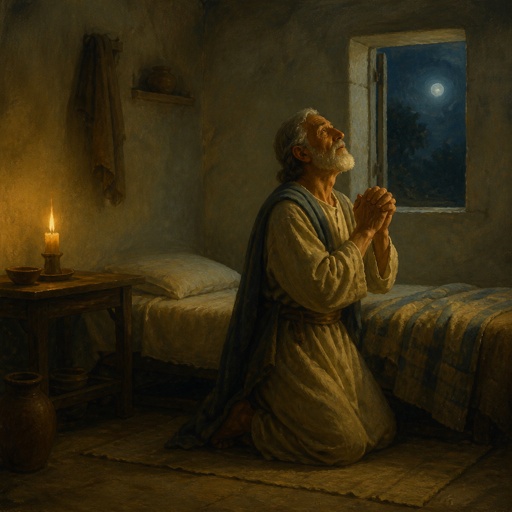
"At midnight I will rise to give thanks unto thee because of thy righteous judgments." - Psalms 119:62

"In God is my salvation and my glory: the rock of my strength, and my refuge, is in God." - Psalms 62:7
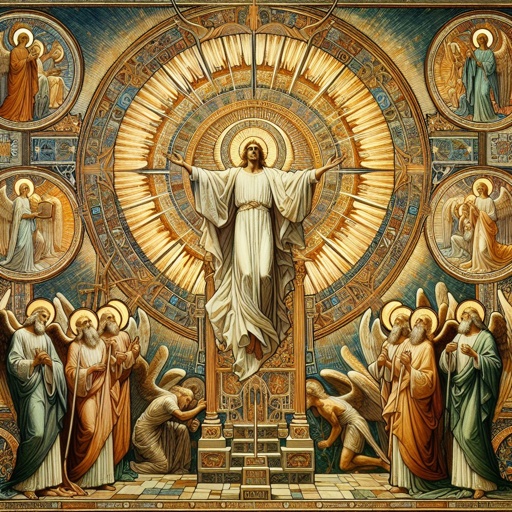
Psalms 111:3 - "His work is honourable and glorious: and his righteousness endureth for ever."

"He gave his people over also unto the sword; and was wroth with his inheritance." - Psalms 78:62

"Truly my soul waiteth upon God: from him cometh my salvation." - Psalms 62:1

"My soul, wait thou only upon God; for my expectation is from him." - Psalms 62:5

"God hath spoken once; twice have I heard this; that power belongeth unto God." - Psalms 62:11
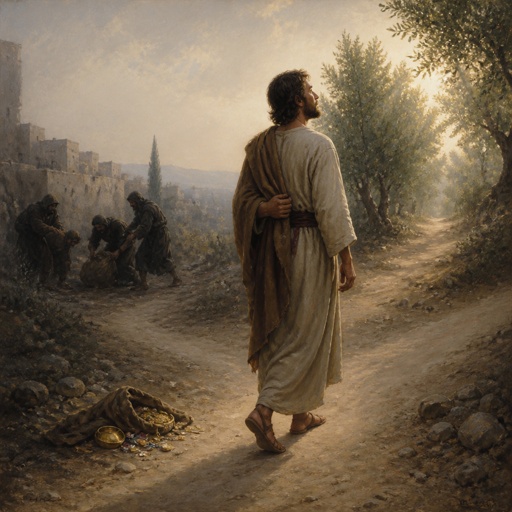
"Trust not in oppression, and become not vain in robbery: if riches increase, set not your heart upon them." - Psalms 62:10

"He only is my rock and my salvation: he is my defence; I shall not be moved." - Psalms 62:6

"He only is my rock and my salvation; he is my defence; I shall not be greatly moved." - Psalms 62:2

Psalms 88:3 - "For my soul is full of troubles: and my life draweth nigh unto the grave."