What does Psalms 62:9 mean?
“Surely men of low degree are vanity, and men of high degree are a lie: to be laid in the balance, they are altogether lighter than vanity.” — Psalms 62:9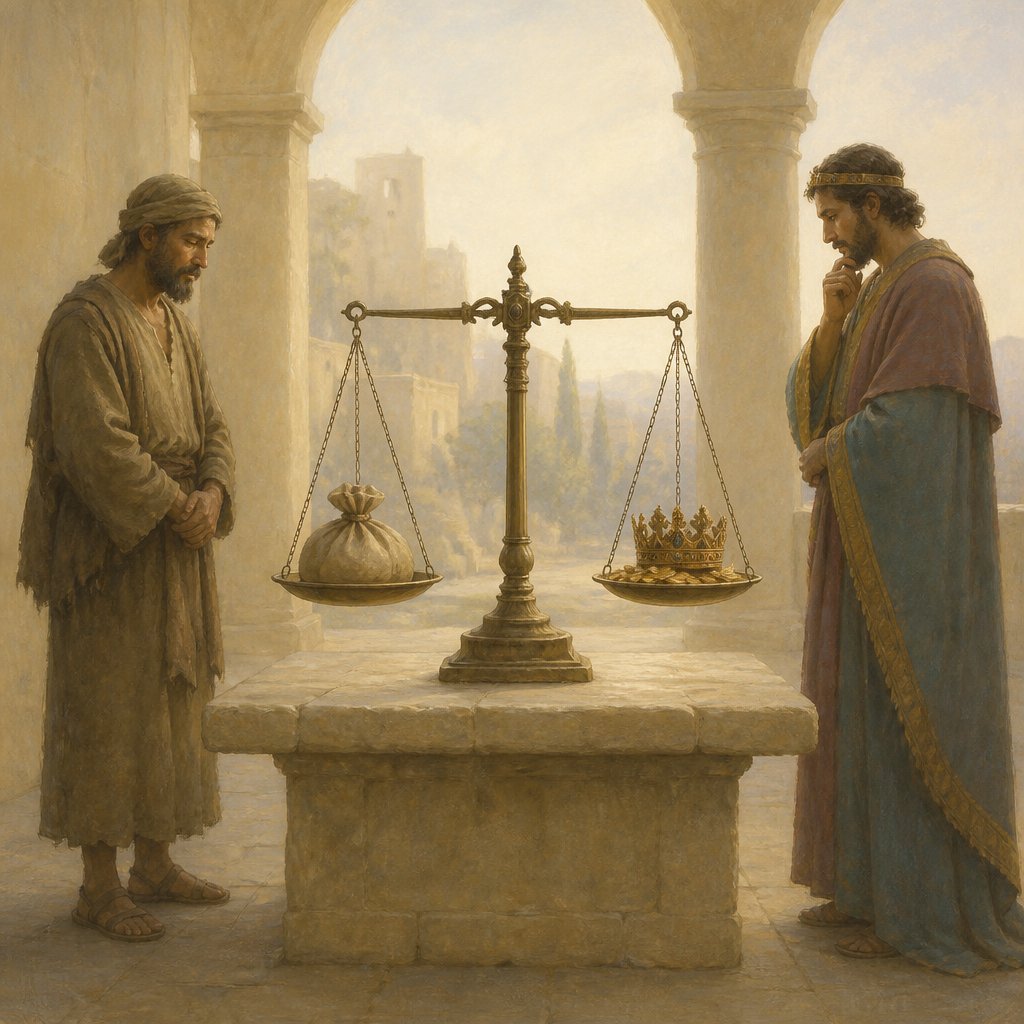
The Bible verse Psalms 62:9 in the King James Version (KJV) states, "Surely men of low degree are vanity, and men of high degree are a lie: to be laid in the balance, they are altogether lighter than vanity." This verse is from the book of Psalms, which is a collection of religious songs, poems, and prayers attributed to King David. The book of Psalms holds a central place in the Christian and Jewish faiths and is often used for worship, meditation, and spiritual reflection.
In Psalms 62:9, the concept of worth and value is being explored. The verse points out the inherent instability and insignificance of human beings, regardless of their social, economic, or political status. It highlights the fleeting nature of worldly success and the ultimate insignificance of human accomplishment when measured against the divine.
The verse begins with the assertion that "men of low degree are vanity." This is a statement about the futility and emptiness of human existence. Regardless of their station in life, all people are ultimately subject to the same fate and are equally unable to secure lasting significance through their own efforts. This echoes the sentiment expressed in Ecclesiastes 1:2, "Vanity of vanities, saith the Preacher, vanity of vanities; all is vanity." It is a reminder that human life is transient and ultimately inconsequential without the presence of God.
The verse then contrasts this with the declaration that "men of high degree are a lie." This statement challenges the common assumption that success, power, and social status confer value and meaning upon a person's life. In the eyes of the psalmist, those who are esteemed in the eyes of the world are ultimately living a falsehood, believing themselves to be significant based on temporary and ultimately meaningless achievements. This idea reflects the biblical theme of the transience of human glory and the emptiness of pride.
The verse goes on to assert that when both men of low and high degree are "laid in the balance," they are found to be "altogether lighter than vanity." This vivid imagery conjures the image of a scale, where both the lowly and the exalted are weighed and found wanting. The use of the term "lighter than vanity" emphasizes the utter worthlessness and insubstantial nature of human achievement when viewed from an eternal perspective. This echoes the teachings of Jesus in Matthew 16:26, "For what is a man profited, if he shall gain the whole world, and lose his own soul? or what shall a man give in exchange for his soul?"
Overall, Psalms 62:9 serves as a sobering reminder of the limitations of human existence and the ultimate futility of striving for significance and meaning apart from a relationship with God. It challenges the common human tendency to place value in temporary and ultimately unfulfilling pursuits, such as wealth, power, and status. Instead, it points to the need for a deeper, spiritual understanding of worth and significance that can only be found in relationship with the divine.
In a broader context, this verse also speaks to the biblical theme of the fleeting nature of human life and the ultimately empty pursuits of the world. It echoes the wisdom literature of the Hebrew Bible, such as the book of Ecclesiastes, which emphasizes the importance of seeking meaning and value in God rather than in worldly accomplishments. It also underscores the biblical theme of the ultimate equality of all people in the eyes of God, regardless of their external circumstances or status.
In terms of symbolism, the use of the balance or scale in Psalms 62:9 can be seen as a metaphor for the divine judgment and evaluation of human lives. It conveys the idea that all people, regardless of their worldly success or failure, will ultimately be measured against a standard that transcends human understanding. The image of the scale also suggests the importance of weighing one's priorities and values in light of the eternal perspective offered by the teachings of the Bible.
In conclusion, Psalms 62:9 in the King James Version offers a profound meditation on the nature of human worth and value. It challenges the common assumptions about the significance of worldly success and power, pointing instead to the ultimate emptiness and transience of human achievements apart from a relationship with God. It serves as a powerful reminder of the need to seek spiritual fulfillment and meaning in the divine rather than in the temporary pursuits of the world.
Get our apps


Artwork for Psalms 62:9

Psalms 62:9 - "Surely men of low degree are vanity, and men of high degree are a lie: to be laid in the balance, they are altogether lighter than vanity."
"Surely men of low degree are vanity, and men of high degree are a lie: to be laid in the balance, they are altogether lighter than vanity." - Psalms 62:9

Psalms 62:5 - "My soul, wait thou only upon God; for my expectation is from him."

Psalms 62:7 - "In God is my salvation and my glory: the rock of my strength, and my refuge, is in God."

Psalms 78:62 - "He gave his people over also unto the sword; and was wroth with his inheritance."

Psalms 119:62 - "At midnight I will rise to give thanks unto thee because of thy righteous judgments."

Psalms 62:1 - "Truly my soul waiteth upon God: from him cometh my salvation."

Psalms 62:11 - "God hath spoken once; twice have I heard this; that power belongeth unto God."

Psalms 62:10 - "Trust not in oppression, and become not vain in robbery: if riches increase, set not your heart upon them."

Psalms 62:6 - "He only is my rock and my salvation: he is my defence; I shall not be moved."

Psalms 62:2 - "He only is my rock and my salvation; he is my defence; I shall not be greatly moved."

Psalms 62:12 - "Also unto thee, O Lord, belongeth mercy: for thou renderest to every man according to his work."

Psalms 62:4 - "They only consult to cast him down from his excellency: they delight in lies: they bless with their mouth, but they curse inwardly. Selah."

Psalms 62:8 - "Trust in him at all times; ye people, pour out your heart before him: God is a refuge for us. Selah."

"Also unto thee, O Lord, belongeth mercy: for thou renderest to every man according to his work." - Psalms 62:12

Psalms 107:9

Psalms 62:3 - "How long will ye imagine mischief against a man? ye shall be slain all of you: as a bowing wall shall ye be, and as a tottering fence."

"Trust in him at all times; ye people, pour out your heart before him: God is a refuge for us. Selah." - Psalms 62:8

"Trust in him at all times; ye people, pour out your heart before him: God is a refuge for us. Selah." - Psalms 62:8

"My soul, wait thou only upon God; for my expectation is from him." - Psalms 62:5

"How long will ye imagine mischief against a man? ye shall be slain all of you: as a bowing wall shall ye be, and as a tottering fence." - Psalms 62:3

"In God is my salvation and my glory: the rock of my strength, and my refuge, is in God." - Psalms 62:7

"At midnight I will rise to give thanks unto thee because of thy righteous judgments." - Psalms 119:62
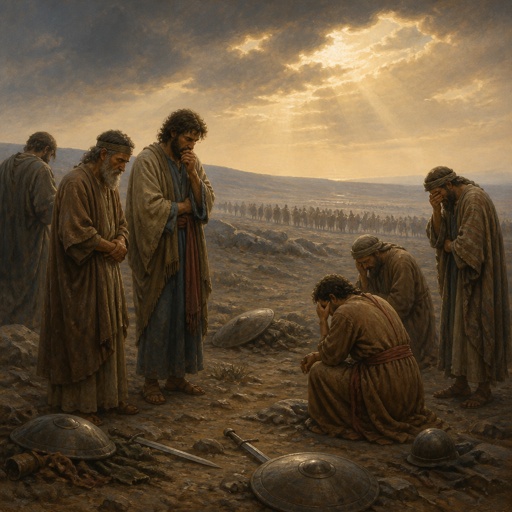
"He gave his people over also unto the sword; and was wroth with his inheritance." - Psalms 78:62

"Truly my soul waiteth upon God: from him cometh my salvation." - Psalms 62:1

"My soul, wait thou only upon God; for my expectation is from him." - Psalms 62:5
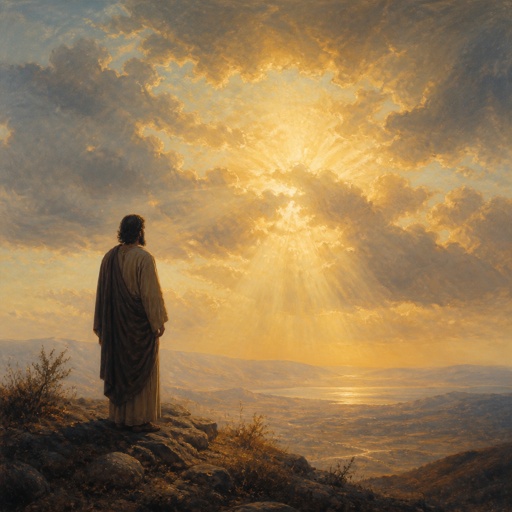
"God hath spoken once; twice have I heard this; that power belongeth unto God." - Psalms 62:11
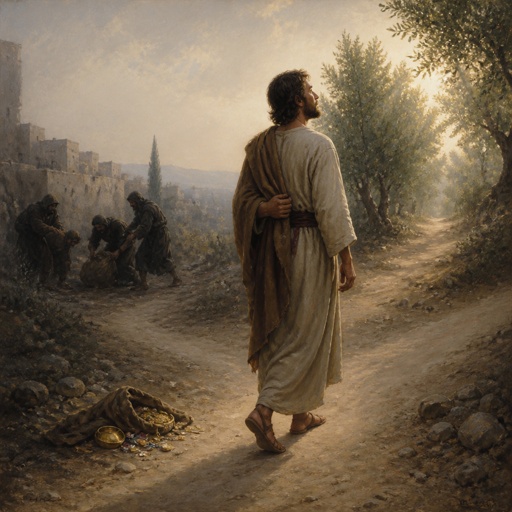
"Trust not in oppression, and become not vain in robbery: if riches increase, set not your heart upon them." - Psalms 62:10

"He only is my rock and my salvation: he is my defence; I shall not be moved." - Psalms 62:6

"The LORD also will be a refuge for the oppressed, a refuge in times of trouble." - Psalms 9:9