What does Psalms 65:8 mean?
“They also that dwell in the uttermost parts are afraid at thy tokens: thou makest the outgoings of the morning and evening to rejoice.” — Psalms 65:8
Psalm 65 is a song of David that moves from worship in Zion to a wide, creation-sized vision of God’s goodness. It begins with praise that belongs to God, with prayer answered, with iniquities overcome by divine mercy, and with the blessedness of being brought near to God’s courts. From there it widens to the God who is “the confidence of all the ends of the earth, and of them that are afar off upon the sea,” the One who establishes mountains, stills tumult, and provides fertile abundance. In that flow, Psalm 65:8 sits like a hinge between God’s mastery over the restlessness of peoples and seas and God’s generous ordering of day and night: “They also that dwell in the uttermost parts are afraid at thy tokens: thou makest the outgoings of the morning and evening to rejoice.”
The first clause, “They also that dwell in the uttermost parts are afraid at thy tokens,” sets the verse on the world’s far horizon. “The uttermost parts” reaches beyond Israel, beyond familiar borders, to the extremities of the inhabited earth. David is not describing a local deity bound to a shrine, but the LORD whose rule and reputation extend to where human knowledge thins out into distance. The response of those distant dwellers is that they “are afraid,” a word that in the Psalms often carries the weight of awe, dread, and reverent fear when confronted with the reality of God. What provokes this fear are God’s “tokens,” meaning the marks, signs, or evidences by which God makes Himself known. In the immediate context of Psalm 65, these tokens include His “wondrous works” and His “terrible things in righteousness,” His power in creation, His restraint of raging waters, and His governance over the upheaval of nations. The verse implies that God has not left Himself without witness: even at the earth’s edges, there are divine signatures that press upon conscience and imagination. The significance is that God’s self-disclosure is not merely verbal or national but cosmic and moral, seen in what He does and how He rules.
Yet the verse does not end in terror; it turns from fear to joy. “Thou makest the outgoings of the morning and evening to rejoice.” The language is poetic, and “outgoings” suggests the going forth, the emergence, the daily procession of morning and evening as they come and go at God’s appointment. Morning and evening are more than times on a clock; they are the boundary-markers of human life, the rhythm by which work, rest, vigilance, and worship are measured. To say God “makest” their outgoings “to rejoice” is to say that the daily cycle is not accidental but ordained, and that it carries a kind of celebratory witness to God’s beneficence. The world is not only a place where God’s power can be feared; it is also a place where God’s ordering hand produces regularity, beauty, and gladness. The sunrise and the onset of evening are portrayed almost as glad participants in creation’s praise, as though daybreak and twilight themselves are made to exult in fulfilling the Creator’s will.
The symbolism here is rich. Morning often stands for beginnings, renewal, light after darkness, and the mercies that meet people at the start of a day. Evening often stands for completion, gathering in, rest, reflection, and the quiet that follows labor. By joining “morning and evening,” David gathers the whole span of daily time and suggests that God’s joy-giving governance covers all of it: the opening and the closing, the ascent of light and the settling of night. In a Psalm that will soon speak of watering the earth, blessing the year, and crowning it with goodness, the rejoicing outgoings of morning and evening also frame the agricultural life of ancient Israel. The morning enables labor and growth; the evening signals rest and preservation. Thus the verse subtly reinforces a theme that runs through Psalm 65: the God who is to be praised in Zion is the same God who quietly sustains the ordinary processes that keep the world habitable and fruitful.
Within the broader theology of the Psalm, Psalm 65:8 binds together two complementary truths about the LORD. On one hand, His “tokens” provoke fear to the uttermost parts: He is not tame, and His works confront the world with righteous power. On the other hand, the same sovereign God makes the daily thresholds of time “to rejoice”: His rule is not merely overwhelming but life-giving, ordered, and good. The fear of the first line is not the final word; it is answered by a world made glad under God’s steady providence. David’s point is that the LORD’s majesty extends as far as the earth goes, and that the farthest peoples and the most regular movements of creation alike are caught up in the evidence of His reign. The verse invites the reader to interpret both the extraordinary and the ordinary as meaningful: the great signs that unsettle nations and the quiet coming and going of morning and evening both speak, in different tones, of the same God.
Get our apps


Artwork for Psalms 65:8

Psalms 65:8 - "They also that dwell in the uttermost parts are afraid at thy tokens: thou makest the outgoings of the morning and evening to rejoice."
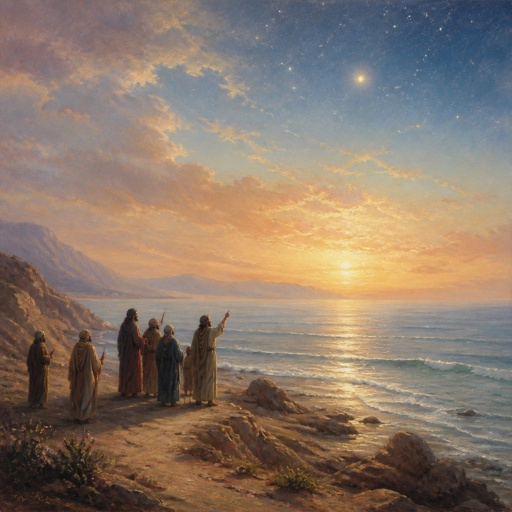
"They also that dwell in the uttermost parts are afraid at thy tokens: thou makest the outgoings of the morning and evening to rejoice." - Psalms 65:8

"They also that dwell in the uttermost parts are afraid at thy tokens: thou makest the outgoings of the morning and evening to rejoice." - Psalms 65:8

Psalms 65:11
"They drop upon the pastures of the wilderness: and the little hills rejoice on every side." - Psalms 65:12

"Which by his strength setteth fast the mountains; being girded with power:" - Psalms 65:6

Psalms 65:6 - "Which by his strength setteth fast the mountains; being girded with power:"

Psalms 65:11 - "Thou crownest the year with thy goodness; and thy paths drop fatness."

Psalms 65:12 - "They drop upon the pastures of the wilderness: and the little hills rejoice on every side."
"O thou that hearest prayer, unto thee shall all flesh come." - Psalms 65:2

Psalms 65:7 - "Which stilleth the noise of the seas, the noise of their waves, and the tumult of the people."
"Thou crownest the year with thy goodness; and thy paths drop fatness." - Psalms 65:11

Psalms 65:1 - "Praise waiteth for thee, O God, in Sion: and unto thee shall the vow be performed."

Psalms 65:2 - "O thou that hearest prayer, unto thee shall all flesh come."
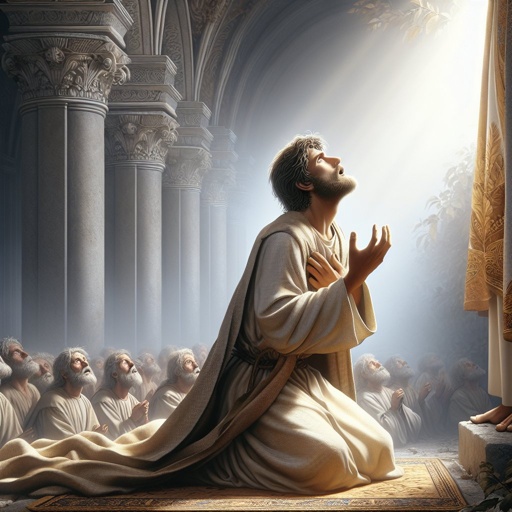
Psalms 119:65 - "Thou hast dealt well with thy servant, O LORD, according unto thy word."

Psalms 78:65 - "Then the Lord awaked as one out of sleep, and like a mighty man that shouteth by reason of wine."
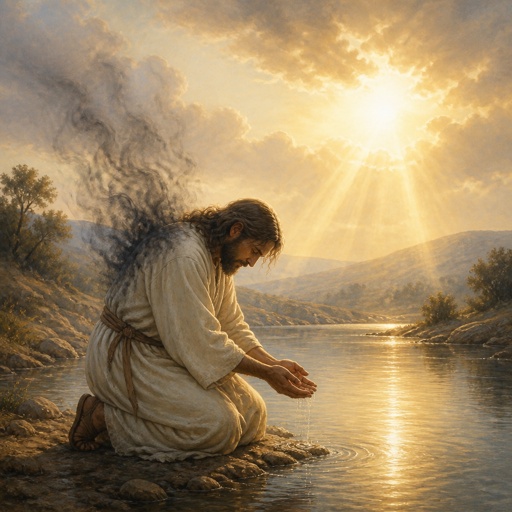
"Iniquities prevail against me: as for our transgressions, thou shalt purge them away." - Psalms 65:3
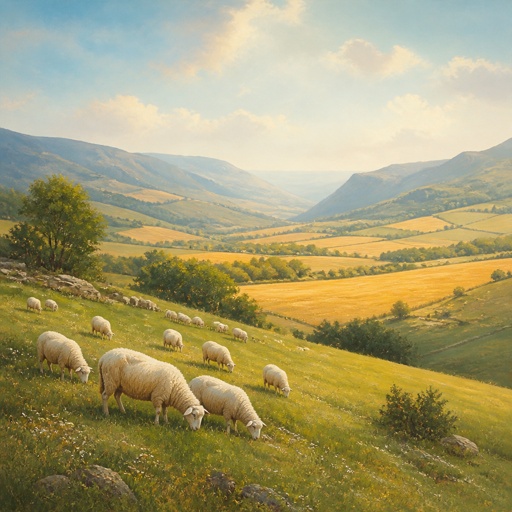
"The pastures are clothed with flocks; the valleys also are covered over with corn; they shout for joy, they also sing." - Psalms 65:13

Psalms 65:13 - "The pastures are clothed with flocks; the valleys also are covered over with corn; they shout for joy, they also sing."
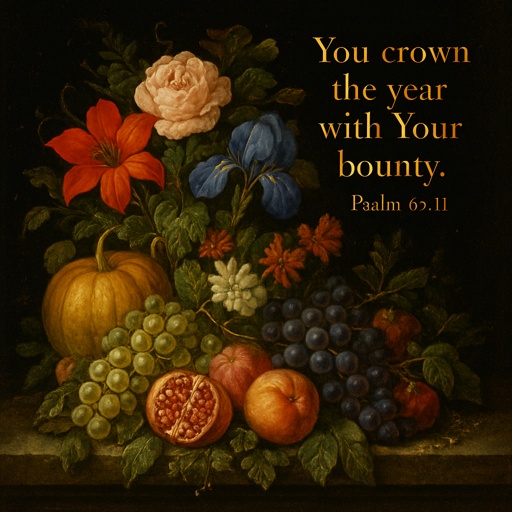
Psalms 65:11with plain dark background woth sparkles of white

Psalms 65:10 - "Thou waterest the ridges thereof abundantly: thou settlest the furrows thereof: thou makest it soft with showers: thou blessest the springing thereof."
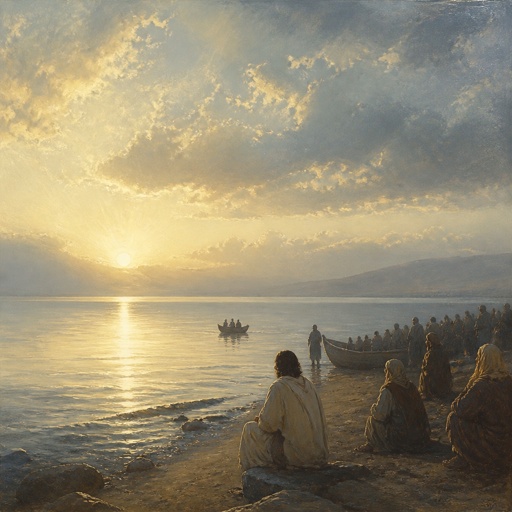
"Which stilleth the noise of the seas, the noise of their waves, and the tumult of the people." - Psalms 65:7

Isaiah 65:8 A new wine

Psalms 65:5 - "By terrible things in righteousness wilt thou answer us, O God of our salvation; who art the confidence of all the ends of the earth, and of them that are afar off upon the sea:"
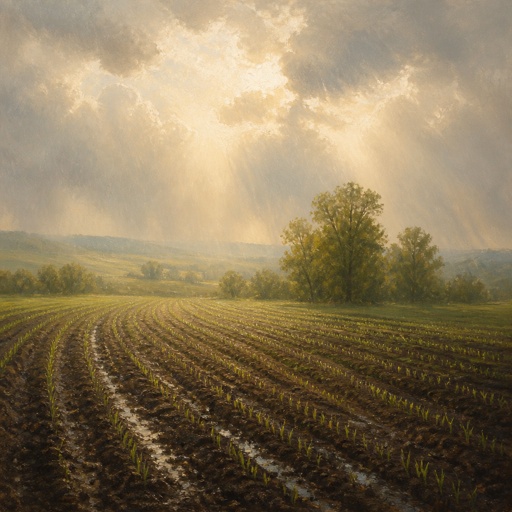
"Thou waterest the ridges thereof abundantly: thou settlest the furrows thereof: thou makest it soft with showers: thou blessest the springing thereof." - Psalms 65:10

Psalms 65:9 - "Thou visitest the earth, and waterest it: thou greatly enrichest it with the river of God, which is full of water: thou preparest them corn, when thou hast so provided for it."

"They also that dwell in the uttermost parts are afraid at thy tokens: thou makest the outgoings of the morning and evening to rejoice." - Psalm 65:8

Psalms 49:8 - "(For the redemption of their soul is precious, and it ceaseth for ever:)"
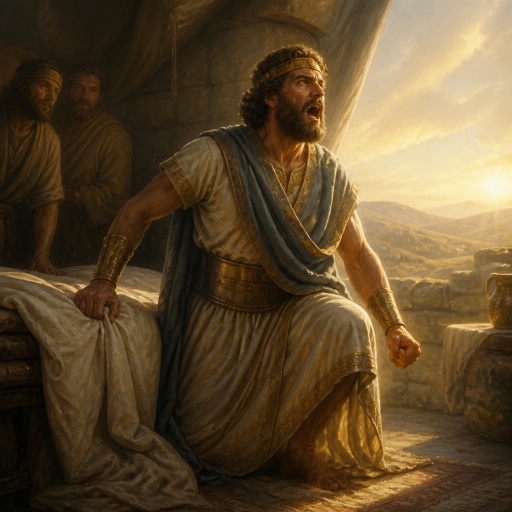
"Then the Lord awaked as one out of sleep, and like a mighty man that shouteth by reason of wine." - Psalms 78:65

Psalms 65:4 - "Blessed is the man whom thou choosest, and causest to approach unto thee, that he may dwell in thy courts: we shall be satisfied with the goodness of thy house, even of thy holy temple."