What does Psalms 66:13 mean?
“I will go into thy house with burnt offerings: I will pay thee my vows,” — Psalms 66:13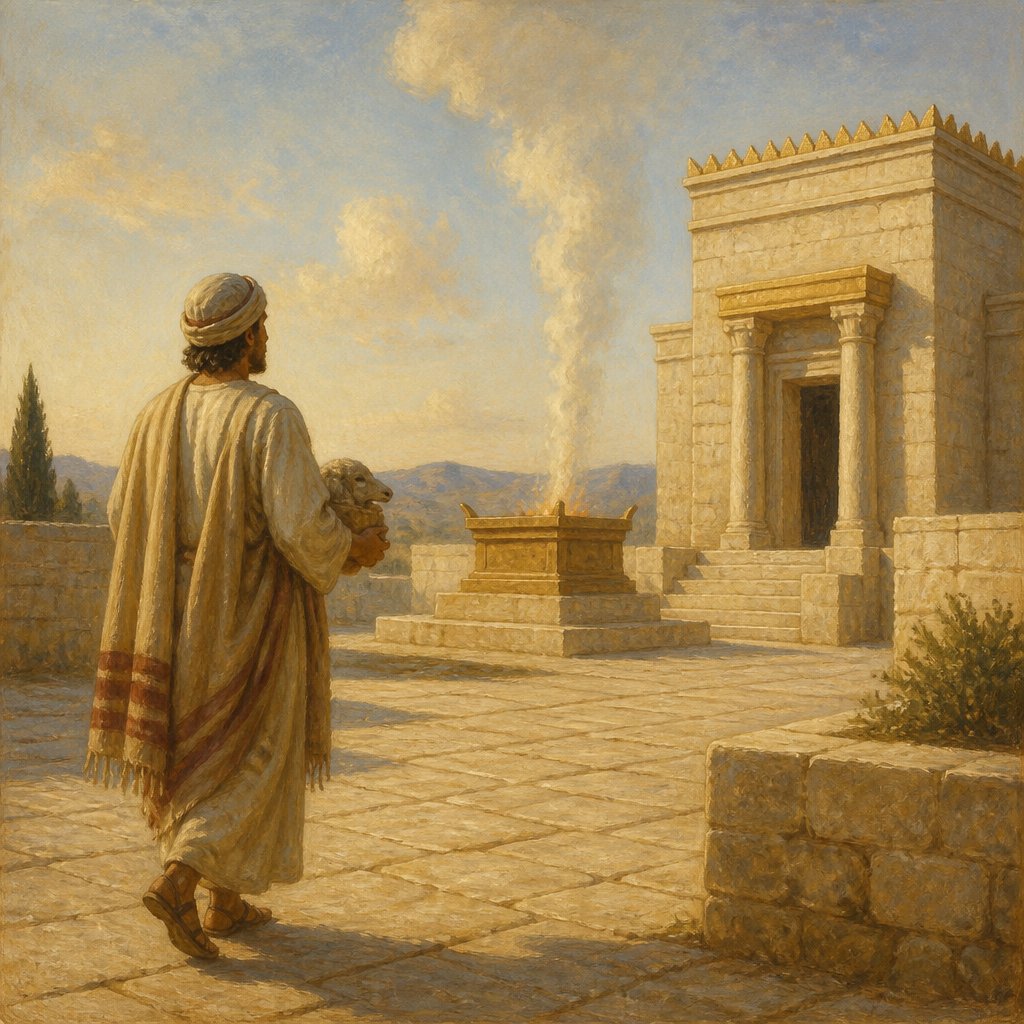
Psalms 66:13 (KJV) states, "I will go into thy house with burnt offerings: I will pay thee my vows." This verse is part of a larger passage in the book of Psalms, which is filled with expressions of praise and thanksgiving to God. The psalmist declares his intention to enter into the presence of the Lord with offerings and to fulfill the vows he has made to God.
There are several themes and symbols at play in this verse, which can be understood through a deeper exploration of the context and historical background of the book of Psalms. Understanding the cultural and religious significance of burnt offerings and vows in the ancient Israelite society can shed light on the meaning and relevance of this verse.
First and foremost, the act of going into the house of God with burnt offerings was a central part of the Israelite religious practice. Throughout the Old Testament, we see references to the use of burnt offerings as a way of seeking atonement for sin, expressing gratitude, and worshiping God. These offerings were made by sacrificing animals, and they were symbolic of the worshiper's dedication and submission to God. The psalmist's declaration to go into God's house with burnt offerings signifies his desire to worship and honor God with the best of what he has to offer.
Additionally, the psalmist mentions paying his vows to God. In ancient Israelite culture, making a vow to God was a solemn and binding commitment. When someone made a vow, it was a promise to perform a specific action or fulfill certain obligations in exchange for God's favor or intervention. The act of fulfilling one's vows was considered an essential part of maintaining a right relationship with God. By stating his intention to pay his vows, the psalmist is expressing his readiness to honor his commitments and show his faithfulness to God.
It's important to note that the book of Psalms is a collection of poems, prayers, and songs that express a wide range of emotions and experiences. The psalmists often express feelings of joy, praise, thanksgiving, lament, and supplication in their writings. In the case of Psalm 66, the overarching theme is thanksgiving and praise for God's mighty works and steadfast love. The psalmist recounts the ways in which God has delivered and sustained the people, and he calls upon the congregation to join him in offering praise and worship to the Lord.
Understanding the historical context of the Israelite society and their religious practices helps us to appreciate the depth of meaning in this verse. In ancient times, the act of offering sacrifices and paying vows was an integral part of the worship and religious observance. It represented the people's faith, devotion, and dependence on God. It was a tangible way of expressing gratitude, seeking forgiveness, and renewing their commitment to the Lord.
Moreover, the verse can also be interpreted symbolically. The idea of going into God's house with burnt offerings can be seen as a metaphor for approaching God with a humble and contrite heart. Just as the Israelites offered their best and most valuable possessions in the form of burnt offerings, so too are we called to offer our lives as living sacrifices to God (Romans 12:1). Our worship and service to God should be marked by sincerity, humility, and wholehearted devotion.
In conclusion, Psalms 66:13 (KJV) is a powerful and evocative expression of the psalmist's commitment to worship and honor God. It encapsulates themes of thanksgiving, praise, faithfulness, and devotion to the Lord. The verse speaks to the timeless truth that our worship and service to God should be characterized by sincerity, obedience, and a willingness to fulfill our vows to Him. It challenges us to consider the posture of our hearts as we approach God and to recommit ourselves to living a life of worship and obedience.
Get our apps


Artwork for Psalms 66:13

Psalms 66:13 - "I will go into thy house with burnt offerings: I will pay thee my vows,"
"I will go into thy house with burnt offerings: I will pay thee my vows," - Psalms 66:13

Psalms 66:1 - "Make a joyful noise unto God, all ye lands:"

Psalms 66:18 - "If I regard iniquity in my heart, the Lord will not hear me:"

Psalms 66:9 - "Which holdeth our soul in life, and suffereth not our feet to be moved."

Psalms 66:2 - "Sing forth the honour of his name: make his praise glorious."
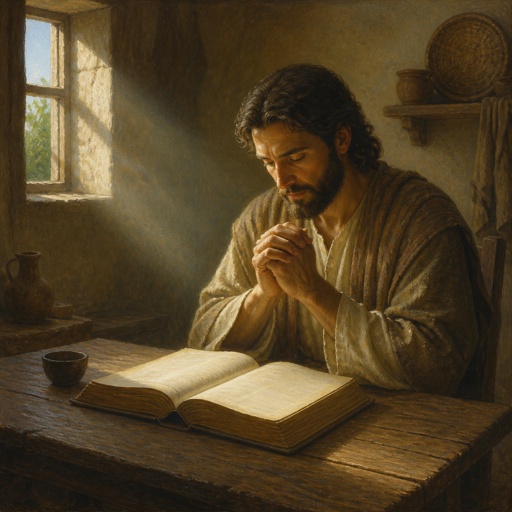
"Teach me good judgment and knowledge: for I have believed thy commandments." - Psalms 119:66

Psalms 66:11 - "Thou broughtest us into the net; thou laidst affliction upon our loins."

Psalms 66:17 - "I cried unto him with my mouth, and he was extolled with my tongue."

Psalms 119:66 - "Teach me good judgment and knowledge: for I have believed thy commandments."

Psalms 66:5 - "Come and see the works of God: he is terrible in his doing toward the children of men."

Psalms 78:66 - "And he smote his enemies in the hinder parts: he put them to a perpetual reproach."

Psalms 66:19 - "But verily God hath heard me; he hath attended to the voice of my prayer."

Psalms 66:8 - "O bless our God, ye people, and make the voice of his praise to be heard:"

Psalms 66:14 - "Which my lips have uttered, and my mouth hath spoken, when I was in trouble."

Psalms 66:10 - "For thou, O God, hast proved us: thou hast tried us, as silver is tried."

"Come and see the works of God: he is terrible in his doing toward the children of men." - Psalms 66:5

Psalms 66:20 - "Blessed be God, which hath not turned away my prayer, nor his mercy from me."

Psalms 66:6 - "He turned the sea into dry land: they went through the flood on foot: there did we rejoice in him."

Psalms 66:7 - "He ruleth by his power for ever; his eyes behold the nations: let not the rebellious exalt themselves. Selah."

Psalms 66:4 - "All the earth shall worship thee, and shall sing unto thee; they shall sing to thy name. Selah."
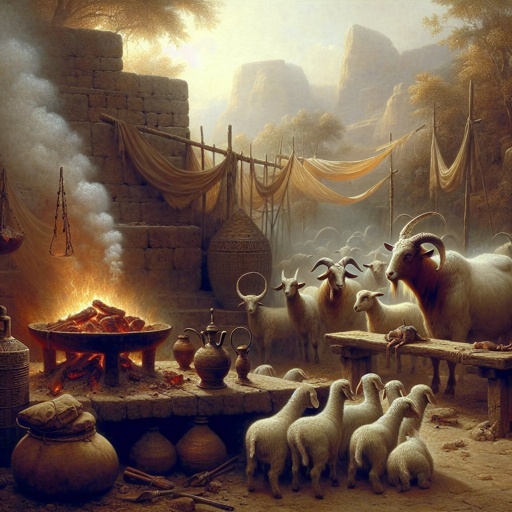
Psalms 66:15 - "I will offer unto thee burnt sacrifices of fatlings, with the incense of rams; I will offer bullocks with goats. Selah."

Psalms 66:16 - "Come and hear, all ye that fear God, and I will declare what he hath done for my soul."

"All the earth shall worship thee, and shall sing unto thee; they shall sing to thy name. Selah." - Psalms 66:4
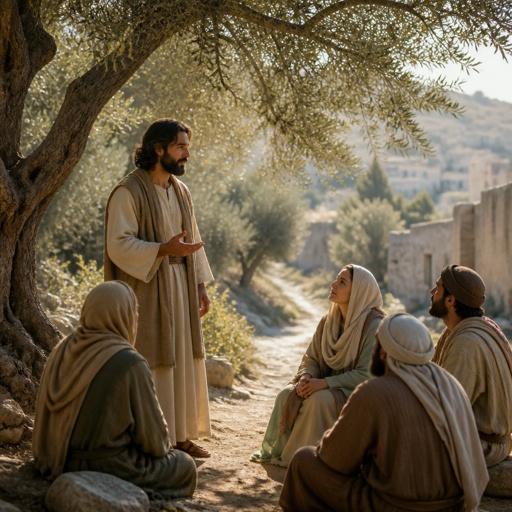
"Come and hear, all ye that fear God, and I will declare what he hath done for my soul." - Psalms 66:16

"If I regard iniquity in my heart, the Lord will not hear me:" - Psalms 66:18

Psalms 66:18 KJVA (18) If I regard iniquity in my heart, the Lord will not hear me:
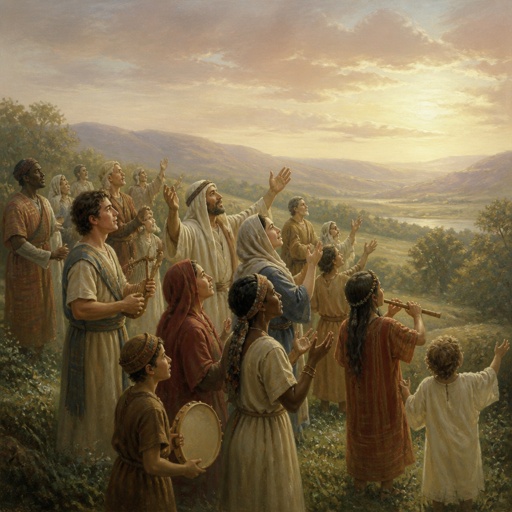
"Make a joyful noise unto God, all ye lands:" - Psalms 66:1

Psalms 66:18 KJVA (18) If I regard iniquity in my heart, the Lord will not hear me:

"Which holdeth our soul in life, and suffereth not our feet to be moved." - Psalms 66:9