What does Psalms 66:4 mean?
“All the earth shall worship thee, and shall sing unto thee; they shall sing to thy name. Selah.” — Psalms 66:4
Psalms 66:4 from the King James Version (KJV) reads, "All the earth shall worship thee, and shall sing unto thee; they shall sing to thy name. Selah." This verse is a declaration of the universal worship and praise of God. It speaks to the idea that all of creation, not just human beings, is called to worship and sing praises to God.
The theme of universal worship and praise in this verse is a common theme throughout the Psalms. It reflects the belief that God is the Creator of all things and therefore is worthy of worship and praise from all of creation. This idea can also be found in other parts of the Bible, such as in the book of Isaiah where it says, "The whole earth is filled with His glory" (Isaiah 6:3).
The context of Psalms 66:4 is a psalm of thanksgiving and praise. The psalmist is calling on all the earth to worship and sing praises to God in response to His deliverance and salvation. The verse is a declaration of the psalmist's faith in God's power and goodness, and a call for all of creation to join in giving thanks and praise to Him.
The symbolism in this verse is rich and impactful. The idea that all the earth shall worship God conveys the magnitude and universality of God's authority and power. It speaks to the idea that God is sovereign over all things, and all creation is called to acknowledge and honor His supreme and glorious nature.
The act of singing unto God is also significant in this verse. In many cultures, music and singing are used as forms of worship and praise. The act of singing praises to God is seen as a way to connect with Him on a deeper level and express gratitude and adoration.
The use of the word "Selah" at the end of the verse adds a sense of weight and importance to the declaration. In the context of the Psalms, "Selah" is often used to signify a pause or a moment of reflection. It is a call to stop and consider the significance of what has been said. In the case of Psalms 66:4, the use of "Selah" emphasizes the magnitude of the call for all the earth to worship and sing praises to God.
Overall, Psalms 66:4 is a powerful declaration of the universal worship and praise of God. It reflects the belief that all of creation is called to acknowledge and honor God's authority and goodness. The theme of universal worship and praise, the context of thanksgiving and praise, and the symbolism of singing and the use of "Selah" all come together to make this verse a profound declaration of God's sovereignty and the call for all of creation to worship Him.
Get our apps


Artwork for Psalms 66:4
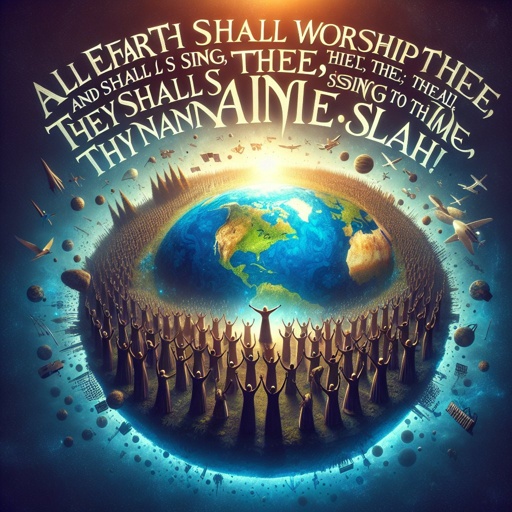
Psalms 66:4 - "All the earth shall worship thee, and shall sing unto thee; they shall sing to thy name. Selah."

"All the earth shall worship thee, and shall sing unto thee; they shall sing to thy name. Selah." - Psalms 66:4

Psalms 66:1 - "Make a joyful noise unto God, all ye lands:"

Psalms 66:18 - "If I regard iniquity in my heart, the Lord will not hear me:"

Psalms 66:9 - "Which holdeth our soul in life, and suffereth not our feet to be moved."

Psalms 66:2 - "Sing forth the honour of his name: make his praise glorious."

"Teach me good judgment and knowledge: for I have believed thy commandments." - Psalms 119:66

Psalms 66:11 - "Thou broughtest us into the net; thou laidst affliction upon our loins."

Psalms 66:17 - "I cried unto him with my mouth, and he was extolled with my tongue."

Psalms 119:66 - "Teach me good judgment and knowledge: for I have believed thy commandments."

Psalms 66:5 - "Come and see the works of God: he is terrible in his doing toward the children of men."

Psalms 78:66 - "And he smote his enemies in the hinder parts: he put them to a perpetual reproach."

Psalms 66:19 - "But verily God hath heard me; he hath attended to the voice of my prayer."

Psalms 66:8 - "O bless our God, ye people, and make the voice of his praise to be heard:"

Psalms 66:13 - "I will go into thy house with burnt offerings: I will pay thee my vows,"

Psalms 66:14 - "Which my lips have uttered, and my mouth hath spoken, when I was in trouble."

Psalms 66:10 - "For thou, O God, hast proved us: thou hast tried us, as silver is tried."

"Come and see the works of God: he is terrible in his doing toward the children of men." - Psalms 66:5

Psalms 66:20 - "Blessed be God, which hath not turned away my prayer, nor his mercy from me."

Psalms 66:6 - "He turned the sea into dry land: they went through the flood on foot: there did we rejoice in him."

Psalms 66:7 - "He ruleth by his power for ever; his eyes behold the nations: let not the rebellious exalt themselves. Selah."
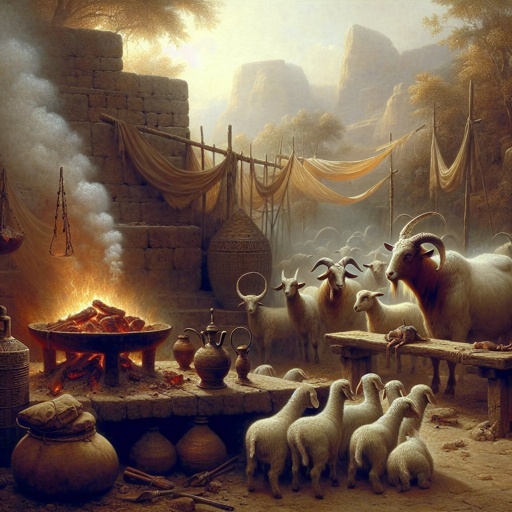
Psalms 66:15 - "I will offer unto thee burnt sacrifices of fatlings, with the incense of rams; I will offer bullocks with goats. Selah."

Psalms 66:16 - "Come and hear, all ye that fear God, and I will declare what he hath done for my soul."
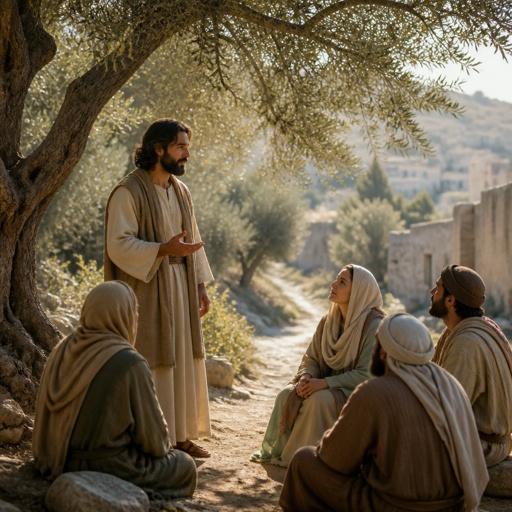
"Come and hear, all ye that fear God, and I will declare what he hath done for my soul." - Psalms 66:16

"If I regard iniquity in my heart, the Lord will not hear me:" - Psalms 66:18

Psalms 66:18 KJVA (18) If I regard iniquity in my heart, the Lord will not hear me:
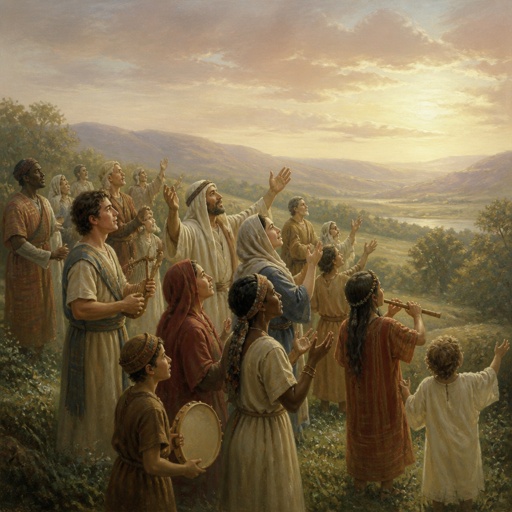
"Make a joyful noise unto God, all ye lands:" - Psalms 66:1

Psalms 66:18 KJVA (18) If I regard iniquity in my heart, the Lord will not hear me:

"Which holdeth our soul in life, and suffereth not our feet to be moved." - Psalms 66:9

Psalms 66:3 - "Say unto God, How terrible art thou in thy works! through the greatness of thy power shall thine enemies submit themselves unto thee."