What does Psalms 69:10 mean?
“When I wept, and chastened my soul with fasting, that was to my reproach.” — Psalms 69:10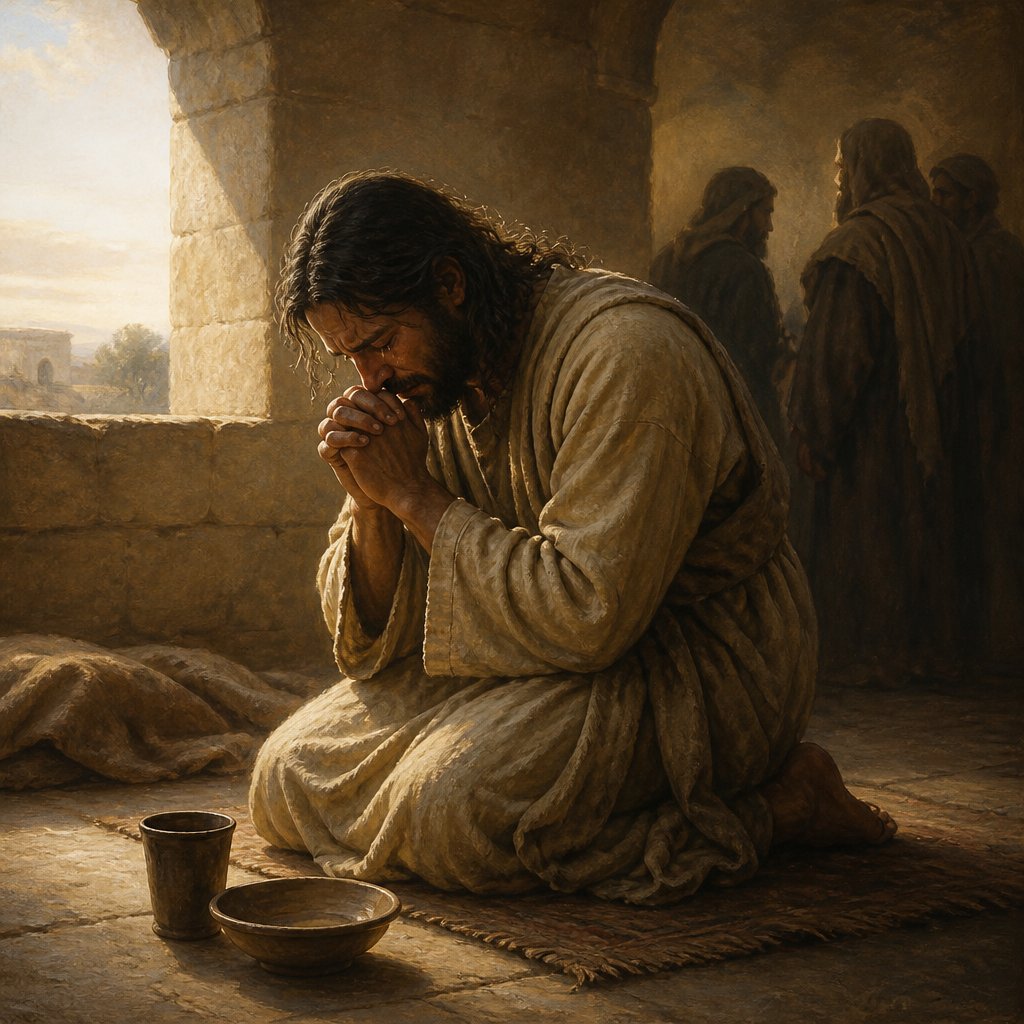
The Bible verse Psalms 69:10 in the King James Version (KJV) reads, "When I wept, and chastened my soul with fasting, that was to my reproach." This verse is found within the context of Psalm 69, which is attributed to King David. In this psalm, David cries out to God for deliverance from his enemies and expresses his deep distress and anguish. The verse is a reflection of David's personal struggle and the persecution that he faced, revealing his deep emotional and spiritual turmoil.
The theme of suffering and persecution is central to this verse. David describes the emotional and physical pain he endures, including weeping and fasting, as a form of self-chastisement. This form of self-discipline and self-denial was a common practice in ancient Israel, often used as a way to seek God's favor and deliverance in times of trouble. However, David laments that his actions were met with reproach and criticism from others. This reflects the internal conflict that David faced, as he sought solace and strength through his faith in God, while also enduring the judgment and scorn of those around him.
The verse also highlights the theme of righteous suffering. David's suffering is not a result of wrongdoing or sin, but rather the result of persecution from his enemies. This type of suffering is often seen as a test of faith and a means of purifying the soul. Through his suffering, David shows his unwavering dedication to God, as he continues to seek solace and deliverance despite the reproach and criticism he faces.
Symbolism plays a significant role in this verse. Weeping and fasting are symbolic acts of lament and seeking God's intervention. They represent an individual's willingness to humble themselves before God and seek His mercy and grace. The act of chastening one's soul with fasting signifies a deep sense of repentance and a desire to draw closer to God. However, David's experience of reproach and scorn serves as a symbol of the challenges and obstacles that one may face when seeking to live a righteous and faithful life. It emphasizes the struggle between the values and expectations of the world and the values and expectations of God.
The context of this verse within Psalm 69 is also important to consider. The psalm as a whole reflects David's deep anguish and distress as he faces persecution from his enemies. He cries out to God for deliverance and salvation, expressing his unwavering faith and trust in the midst of his suffering. This verse, therefore, serves as a poignant reflection of David's inner turmoil and a reminder of the challenges that believers may face as they seek to remain faithful in the midst of adversity.
In conclusion, Psalms 69:10 in the King James Version offers a powerful portrayal of suffering, faith, and perseverance. The verse encapsulates the theme of righteous suffering, while also conveying a powerful message of hope and trust in God. Through the use of symbolism and the portrayal of David's personal struggle, the verse serves as a poignant reminder of the challenges and obstacles that one may face in their spiritual journey. It ultimately encourages believers to remain steadfast in their faith, even in the face of reproach and adversity.
Get our apps


Artwork for Psalms 69:10

Psalms 69:10 - "When I wept, and chastened my soul with fasting, that was to my reproach."
"When I wept, and chastened my soul with fasting, that was to my reproach." - Psalms 69:10

Psalms 69:31 - "This also shall please the LORD better than an ox or bullock that hath horns and hoofs."

"For the LORD heareth the poor, and despiseth not his prisoners." - Psalms 69:33

Psalms 69:33 - "For the LORD heareth the poor, and despiseth not his prisoners."
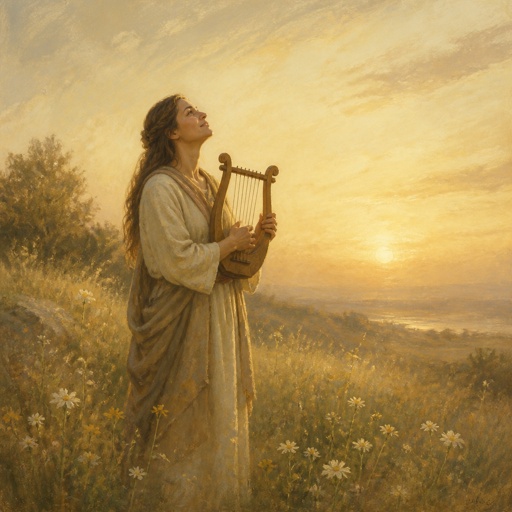
"I will praise the name of God with a song, and will magnify him with thanksgiving." - Psalms 69:30

"Let their eyes be darkened, that they see not; and make their loins continually to shake." - Psalms 69:23

Psalms 69:25 - "Let their habitation be desolate; and let none dwell in their tents."

"Let them be blotted out of the book of the living, and not be written with the righteous." - Psalms 69:28

Psalms 69:12 - "They that sit in the gate speak against me; and I was the song of the drunkards."

Psalms 69:30 - "I will praise the name of God with a song, and will magnify him with thanksgiving."

Psalms 69:23 - "Let their eyes be darkened, that they see not; and make their loins continually to shake."

Psalms 69:28 - "Let them be blotted out of the book of the living, and not be written with the righteous."

Psalms 69:1 - "Save me, O God; for the waters are come in unto my soul."

Psalms 69:27 - "Add iniquity unto their iniquity: and let them not come into thy righteousness."

Psalms 69:11 - "I made sackcloth also my garment; and I became a proverb to them."

Psalms 69:32 - "The humble shall see this, and be glad: and your heart shall live that seek God."

Psalms 69:35 - "For God will save Zion, and will build the cities of Judah: that they may dwell there, and have it in possession."

Psalms 69:34 - "Let the heaven and earth praise him, the seas, and every thing that moveth therein."

Psalms 69:5 - "O God, thou knowest my foolishness; and my sins are not hid from thee."

Psalms 69:18 - "Draw nigh unto my soul, and redeem it: deliver me because of mine enemies."
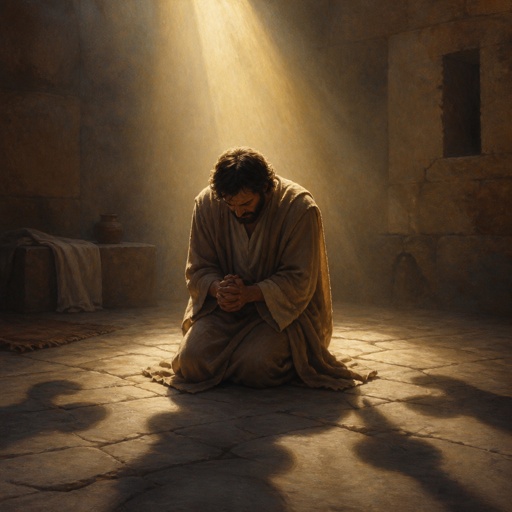
"O God, thou knowest my foolishness; and my sins are not hid from thee." - Psalms 69:5

Psalms 69:7 - "Because for thy sake I have borne reproach; shame hath covered my face."

Psalms 69:36 - "The seed also of his servants shall inherit it: and they that love his name shall dwell therein."

Psalms 69:8 - "I am become a stranger unto my brethren, and an alien unto my mother's children."

Psalms 69:17 - "And hide not thy face from thy servant; for I am in trouble: hear me speedily."

Psalms 69:21 - "They gave me also gall for my meat; and in my thirst they gave me vinegar to drink."
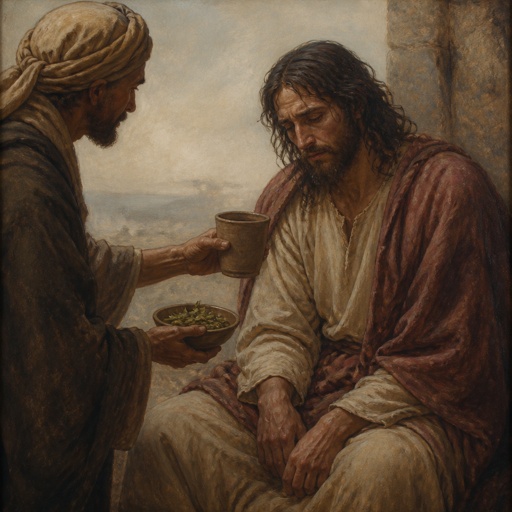
"They gave me also gall for my meat; and in my thirst they gave me vinegar to drink." - Psalms 69:21

Psalms 119:69 - "The proud have forged a lie against me: but I will keep thy precepts with my whole heart."

Psalms 69:24 - "Pour out thine indignation upon them, and let thy wrathful anger take hold of them."