What does Psalms 69:2 mean?
"I sink in deep mire, where there is no standing: I am come into deep waters, where the floods overflow me." - Psalms 69:2
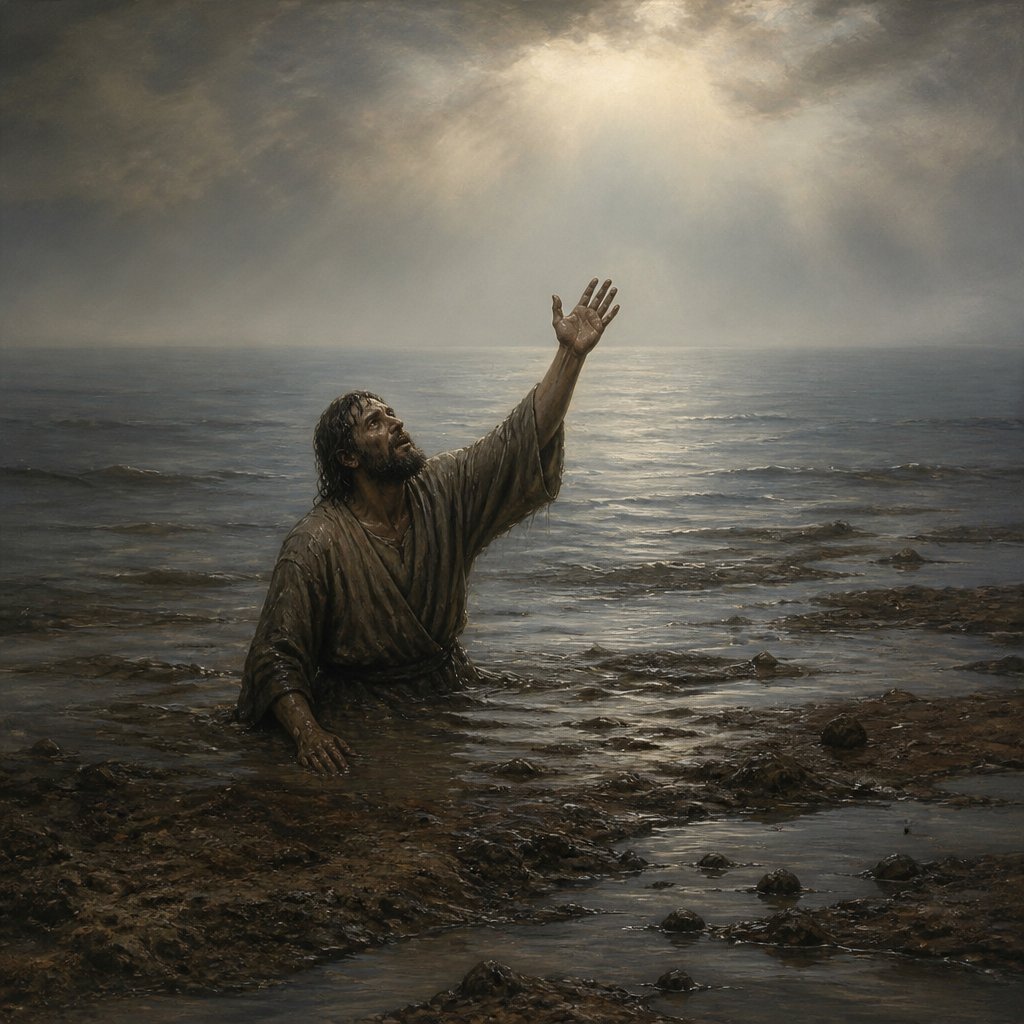
The verse Psalms 69:2 from the King James Version (KJV) of the Bible reads, "I sink in deep mire, where there is no standing: I am come into deep waters, where the floods overflow me." This verse, like many in the book of Psalms, is a lament, expressing the psalmist's feelings of distress and despair.
The psalmist starts by using the image of sinking in deep mire, where there is no solid ground to stand on. This conveys a sense of hopelessness and being trapped in a situation that is impossible to escape from. The words "deep mire" suggest a dark, sticky, and unpleasant place, where one is unable to find a foothold or make any progress. This imagery is used to illustrate the psalmist's feelings of being overwhelmed by his circumstances, feeling stuck in a situation that seems impossible to overcome.
The second part of the verse continues the theme of being overwhelmed, as the psalmist describes being in deep waters where the floods overflow him. This imagery of deep waters and overflowing floods symbolizes the psalmist's sense of being engulfed by the challenges and difficulties he is facing. It conveys a feeling of being completely submerged and overwhelmed by the power of the circumstances, similar to being caught in a raging river or a stormy sea.
In both instances, the imagery used by the psalmist is meant to evoke a sense of being engulfed, overwhelmed, and powerless. These images of sinking in deep mire and being swept away by floods serve as powerful metaphors for the emotional and spiritual distress that the psalmist is experiencing. It is a vivid portrayal of the psalmist's feelings of helplessness and the depth of his suffering.
The context of this verse is important to understand its full meaning. The book of Psalms is a collection of poems and prayers that express a wide range of human emotions and experiences, including joy, praise, thanksgiving, lament, and despair. Many of the psalms were written during times of hardship, persecution, or suffering, and they serve as a means for the psalmist to pour out their hearts before God.
In this particular psalm, the psalmist is crying out to God in the midst of intense adversity. Throughout the psalm, the psalmist expresses feelings of being persecuted, abandoned, and afflicted by enemies. He pleads for God's deliverance and expresses his anguish and desperation. The imagery of sinking in deep mire and being overwhelmed by floods serves as a powerful expression of the psalmist's distress and the depth of his suffering.
This verse also carries a deeper spiritual significance. It serves as a reminder that in times of trouble and despair, we can turn to God for refuge and deliverance. The psalmist's distress ultimately leads him to cry out to God for help, demonstrating his faith and trust in God's ability to rescue him from his dire circumstances. This verse highlights the psalmist's reliance on God as his ultimate source of strength and salvation.
From a thematic perspective, this verse speaks to the universal human experience of facing overwhelming challenges and adversity. It is a poignant expression of the feelings of helplessness and despair that can accompany such experiences. However, it also serves as a powerful testament to the hope and faith that can sustain us in the midst of our struggles.
In conclusion, Psalms 69:2 from the King James Version of the Bible is a poignant expression of distress and despair, using vivid imagery to convey the psalmist's sense of being overwhelmed and trapped in his circumstances. It serves as a reminder of the human experience of suffering and the importance of turning to God for refuge and deliverance. This verse is a powerful testament to the psalmist's trust in God's ability to rescue him from his dire situation, and it offers hope and comfort to all who find themselves in similar circumstances.
Have questions about Psalms 69:2?
Dive deeper into this scripture with Bible Chat — an AI-powered tool for exploring God's Word through conversation. Ask questions, get context, and grow in your understanding of the Bible.
Get Our Apps


Psalms 69:2 Artwork

Psalms 69:2 - "I sink in deep mire, where there is no standing: I am come into deep waters, where the floods overflow me."

Psalms 69:2 - "I sink in deep mire, where there is no standing: I am come into deep waters, where the floods overflow me."

Psalms 69:2 - "I sink in deep mire, where there is no standing: I am come into deep waters, where the floods overflow me."

Psalms 69:2 - "I sink in deep mire, where there is no standing: I am come into deep waters, where the floods overflow me."
"I sink in deep mire, where there is no standing: I am come into deep waters, where the floods overflow me." - Psalms 69:2

Psalms 69:31 - "This also shall please the LORD better than an ox or bullock that hath horns and hoofs."

"For the LORD heareth the poor, and despiseth not his prisoners." - Psalms 69:33

Psalms 69:33 - "For the LORD heareth the poor, and despiseth not his prisoners."
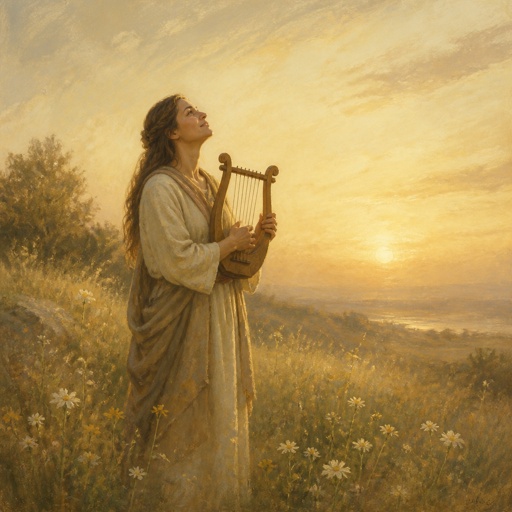
"I will praise the name of God with a song, and will magnify him with thanksgiving." - Psalms 69:30

"Let their eyes be darkened, that they see not; and make their loins continually to shake." - Psalms 69:23

"Let them be blotted out of the book of the living, and not be written with the righteous." - Psalms 69:28

Psalms 69:25 - "Let their habitation be desolate; and let none dwell in their tents."

Psalms 69:12 - "They that sit in the gate speak against me; and I was the song of the drunkards."

Psalms 69:30 - "I will praise the name of God with a song, and will magnify him with thanksgiving."

Psalms 69:23 - "Let their eyes be darkened, that they see not; and make their loins continually to shake."

Psalms 69:28 - "Let them be blotted out of the book of the living, and not be written with the righteous."

Psalms 69:10 - "When I wept, and chastened my soul with fasting, that was to my reproach."

Psalms 69:1 - "Save me, O God; for the waters are come in unto my soul."

Psalms 69:27 - "Add iniquity unto their iniquity: and let them not come into thy righteousness."

Psalms 69:11 - "I made sackcloth also my garment; and I became a proverb to them."

Psalms 69:32 - "The humble shall see this, and be glad: and your heart shall live that seek God."

Psalms 69:35 - "For God will save Zion, and will build the cities of Judah: that they may dwell there, and have it in possession."

Psalms 69:34 - "Let the heaven and earth praise him, the seas, and every thing that moveth therein."
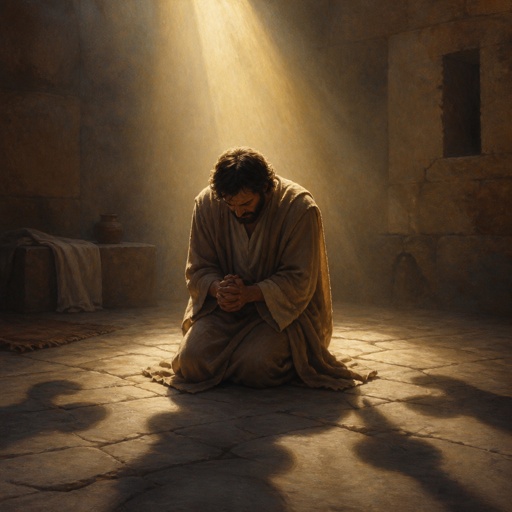
"O God, thou knowest my foolishness; and my sins are not hid from thee." - Psalms 69:5

Psalms 69:5 - "O God, thou knowest my foolishness; and my sins are not hid from thee."

Psalms 69:18 - "Draw nigh unto my soul, and redeem it: deliver me because of mine enemies."

Psalms 69:7 - "Because for thy sake I have borne reproach; shame hath covered my face."

Psalms 69:17 - "And hide not thy face from thy servant; for I am in trouble: hear me speedily."

Psalms 69:36 - "The seed also of his servants shall inherit it: and they that love his name shall dwell therein."

Psalms 69:8 - "I am become a stranger unto my brethren, and an alien unto my mother's children."