What does Psalms 69:24 mean?
“Pour out thine indignation upon them, and let thy wrathful anger take hold of them.” — Psalms 69:24
The Bible verse Psalms 69:24 from the King James Version (KJV) reads: "Pour out thine indignation upon them, and let thy wrathful anger take hold of them."
This verse is part of a larger Psalm written by David, the great king of Israel, reflecting his hardships and distress. In this particular verse, David is calling upon God to pour out his anger and judgment upon his enemies. The verse is a cry for justice and retribution against those who have wronged him.
One of the key themes in this verse is the concept of divine justice and judgment. Throughout the Bible, we see the recurring theme of God as a just and righteous judge who punishes the wicked and rewards the righteous. David, in his time of distress, seeks God's wrath to be directed towards those who have caused him harm, as a way of seeking vindication and justice for the wrongs that have been done to him.
Another theme present in this verse is the idea of righteous anger. While contemporary society often views anger as a negative emotion, the Bible often portrays anger as a righteous response to injustice and evil. In this verse, David is not expressing his own personal anger, but rather calling upon God to express his own righteous anger and judgment on his behalf.
The context of this verse is important in understanding its meaning. David was no stranger to hardship and persecution. Throughout his life, he faced numerous enemies and challenges, including betrayal, exile, and warfare. In the larger context of Psalm 69, David is pouring out his heart to God, expressing his distress and anguish, and pleading for God's mercy and deliverance.
Symbolism can also be found in this verse, particularly in the imagery of pouring out and wrathful anger. The act of pouring out suggests a complete and forceful outpouring of God's anger and judgment upon the enemies of David. This imagery emphasizes the intensity and severity of the divine response that David is seeking.
This verse can also be seen as a precursor to the New Testament concept of divine judgment. Throughout the New Testament, there is a similar emphasis on God's righteous anger and judgment, particularly in the context of final judgment and the defeat of evil. However, in the New Testament, there is also an emphasis on forgiveness and redemption through Christ, which adds a layer of complexity to the concept of divine anger and judgment.
In sum, Psalms 69:24 from the King James Version reflects the timeless themes of divine justice, righteous anger, and the cry for deliverance from distress. It offers insight into the complex nature of human suffering and the desire for vindication and justice. Ultimately, this verse serves as a powerful reminder of the enduring hope and trust in God's righteous judgment and deliverance.
Get our apps


Artwork for Psalms 69:24

Psalms 69:24 - "Pour out thine indignation upon them, and let thy wrathful anger take hold of them."

"Pour out thine indignation upon them, and let thy wrathful anger take hold of them." - Psalms 69:24

Psalms 69:31 - "This also shall please the LORD better than an ox or bullock that hath horns and hoofs."

"For the LORD heareth the poor, and despiseth not his prisoners." - Psalms 69:33

Psalms 69:33 - "For the LORD heareth the poor, and despiseth not his prisoners."

"I will praise the name of God with a song, and will magnify him with thanksgiving." - Psalms 69:30

"Let their eyes be darkened, that they see not; and make their loins continually to shake." - Psalms 69:23

Psalms 69:25 - "Let their habitation be desolate; and let none dwell in their tents."

"Let them be blotted out of the book of the living, and not be written with the righteous." - Psalms 69:28

Psalms 69:12 - "They that sit in the gate speak against me; and I was the song of the drunkards."

Psalms 69:30 - "I will praise the name of God with a song, and will magnify him with thanksgiving."

Psalms 69:23 - "Let their eyes be darkened, that they see not; and make their loins continually to shake."

Psalms 69:28 - "Let them be blotted out of the book of the living, and not be written with the righteous."

Psalms 69:10 - "When I wept, and chastened my soul with fasting, that was to my reproach."

Psalms 69:1 - "Save me, O God; for the waters are come in unto my soul."

Psalms 69:27 - "Add iniquity unto their iniquity: and let them not come into thy righteousness."

Psalms 69:11 - "I made sackcloth also my garment; and I became a proverb to them."

Psalms 69:32 - "The humble shall see this, and be glad: and your heart shall live that seek God."

Psalms 69:35 - "For God will save Zion, and will build the cities of Judah: that they may dwell there, and have it in possession."

Psalms 69:34 - "Let the heaven and earth praise him, the seas, and every thing that moveth therein."

Psalms 69:5 - "O God, thou knowest my foolishness; and my sins are not hid from thee."

Psalms 69:18 - "Draw nigh unto my soul, and redeem it: deliver me because of mine enemies."

"O God, thou knowest my foolishness; and my sins are not hid from thee." - Psalms 69:5

Psalms 69:7 - "Because for thy sake I have borne reproach; shame hath covered my face."

Psalms 69:17 - "And hide not thy face from thy servant; for I am in trouble: hear me speedily."

Psalms 69:36 - "The seed also of his servants shall inherit it: and they that love his name shall dwell therein."

Psalms 69:8 - "I am become a stranger unto my brethren, and an alien unto my mother's children."

Psalms 69:21 - "They gave me also gall for my meat; and in my thirst they gave me vinegar to drink."
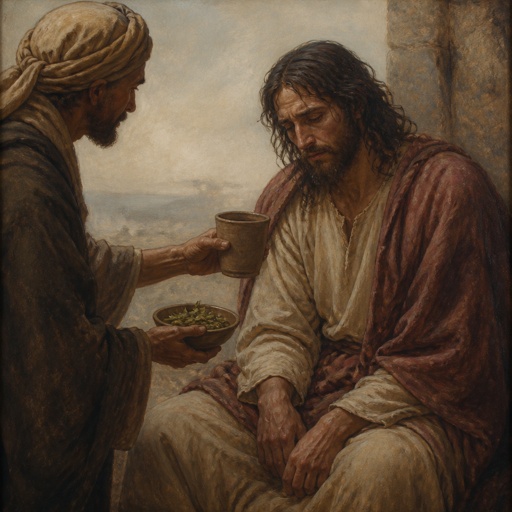
"They gave me also gall for my meat; and in my thirst they gave me vinegar to drink." - Psalms 69:21

Psalms 119:69 - "The proud have forged a lie against me: but I will keep thy precepts with my whole heart."