What does Psalms 69:8 mean?
“I am become a stranger unto my brethren, and an alien unto my mother’s children.” — Psalms 69:8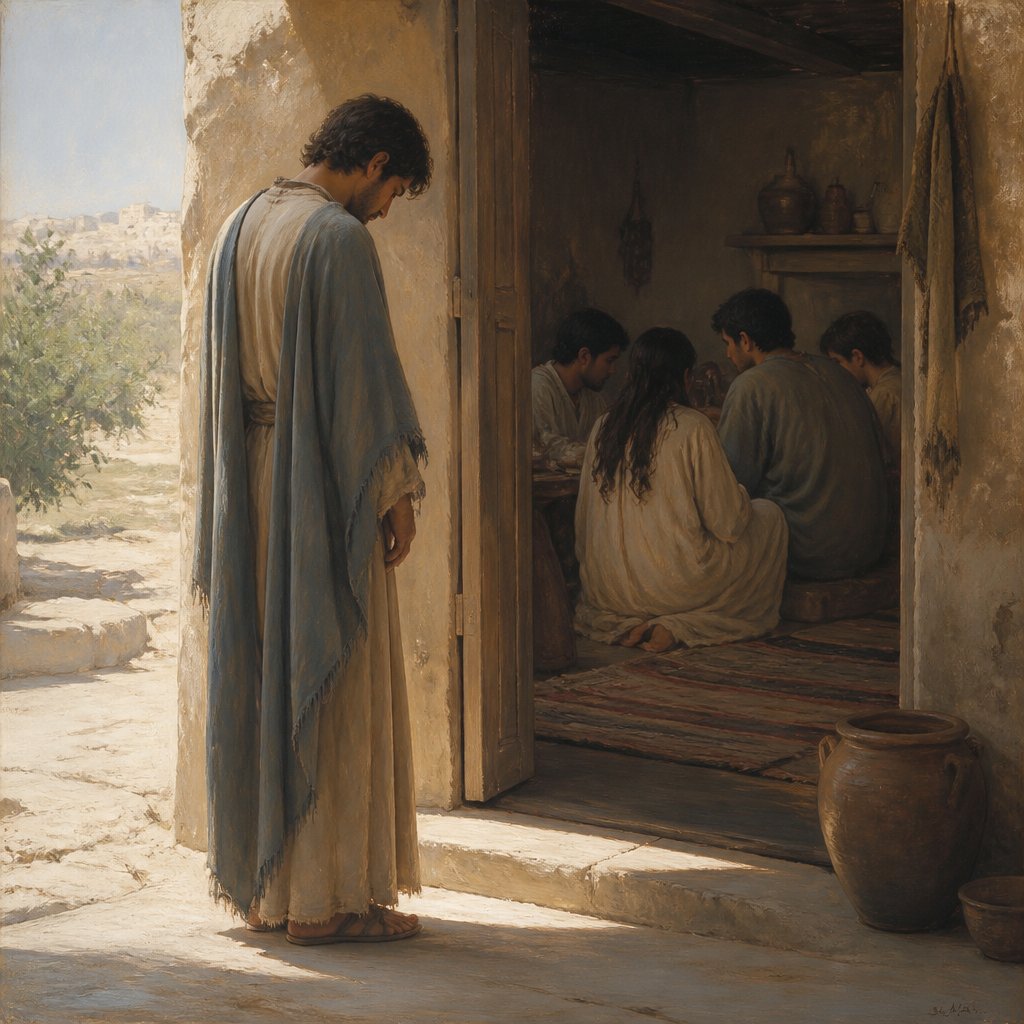
The Bible verse Psalms 69:8 from the King James Version (KJV) reads, "I am become a stranger unto my brethren, and an alien unto my mother's children." This verse is part of a larger psalm that is attributed to King David, who is known for his heartfelt and eloquent expressions of praise, lamentation, and petition to God. In this particular verse, David describes the isolation and rejection he feels from those who should be closest to him.
The theme of rejection and alienation is a prevalent and relatable concept found throughout the Psalms, as well as in other parts of the Bible. It is a feeling that many individuals throughout history have experienced and continue to experience in their own lives. In this verse, David is expressing not only his own personal emotion but also a universal human emotion—the feeling of being unaccepted and misunderstood by one's own family and community.
The context of this verse provides insight into the difficulties and persecutions that David faced during his lifetime. As a king and a leader, David had to contend with political challenges, betrayal from trusted advisers, and warfare with neighboring nations. This verse may reflect the strain that such conflicts put on his personal relationships. It is possible that David's brothers and other relatives may have turned against him as a result of the power struggles and controversies that arose during his reign.
Symbolism plays a significant role in understanding the deeper meaning of this verse. The imagery of becoming a "stranger unto my brethren, and an alien unto my mother's children" evokes a sense of displacement and estrangement. David is using this symbolic language to convey the emotional and psychological upheaval that he is experiencing. He feels like an outsider in his own family, as if he no longer belongs or is welcome among his own kin. This profound sense of alienation would have been a heavy burden for David to bear, as family and community are usually sources of comfort and support.
Furthermore, the symbolism in this verse can be seen as a foreshadowing of Jesus Christ's own experience of rejection and alienation. Jesus, like David, faced opposition and misunderstanding from those closest to him, such as his own brothers and fellow Jews. He was ultimately rejected and betrayed by his own people, and his own family initially did not believe in him. By referencing this verse, Christians can draw parallels between David's suffering and Christ's suffering, deepening their understanding of Christ's humanity and his ability to relate to our own struggles.
Overall, Psalms 69:8 is a poignant and powerful expression of the pain of rejection and alienation, a theme that resonates with many individuals. Through its imagery and language, this verse offers a glimpse into the emotional turmoil experienced by David, as well as the universal experience of feeling abandoned and misunderstood. It provides a window into the complexities of human relationships, and it ultimately points to the hope and comfort that can be found in God, who understands our deepest pains and comforts us in our times of need.
Get our apps


Artwork for Psalms 69:8

Psalms 69:8 - "I am become a stranger unto my brethren, and an alien unto my mother's children."
"I am become a stranger unto my brethren, and an alien unto my mother's children." - Psalms 69:8

Psalms 69:31 - "This also shall please the LORD better than an ox or bullock that hath horns and hoofs."

"For the LORD heareth the poor, and despiseth not his prisoners." - Psalms 69:33

Psalms 69:7-8 - "For it is for your sake that I have borne reproach, that dishonor has covered my face. I have become a stranger to my brothers, an alien to my mother's sons."

Psalms 69:33 - "For the LORD heareth the poor, and despiseth not his prisoners."
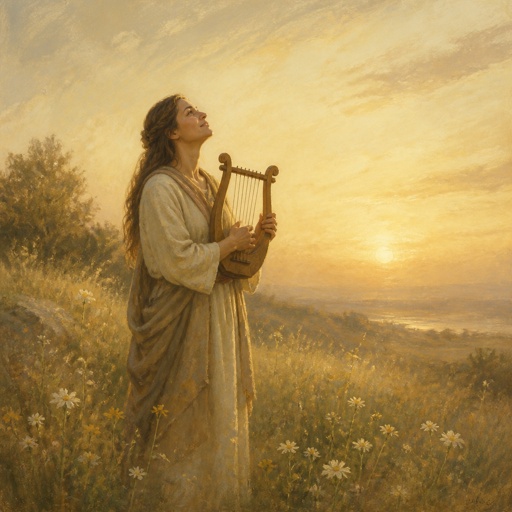
"I will praise the name of God with a song, and will magnify him with thanksgiving." - Psalms 69:30

"Let their eyes be darkened, that they see not; and make their loins continually to shake." - Psalms 69:23

Psalms 69:25 - "Let their habitation be desolate; and let none dwell in their tents."

"Let them be blotted out of the book of the living, and not be written with the righteous." - Psalms 69:28

Psalms 69:12 - "They that sit in the gate speak against me; and I was the song of the drunkards."

Psalms 69:30 - "I will praise the name of God with a song, and will magnify him with thanksgiving."

Psalms 69:23 - "Let their eyes be darkened, that they see not; and make their loins continually to shake."

Psalms 69:28 - "Let them be blotted out of the book of the living, and not be written with the righteous."

Psalms 69:10 - "When I wept, and chastened my soul with fasting, that was to my reproach."

Psalms 69:1 - "Save me, O God; for the waters are come in unto my soul."

Psalms 69:27 - "Add iniquity unto their iniquity: and let them not come into thy righteousness."

Psalms 69:11 - "I made sackcloth also my garment; and I became a proverb to them."

Psalms 69:32 - "The humble shall see this, and be glad: and your heart shall live that seek God."

Psalms 69:35 - "For God will save Zion, and will build the cities of Judah: that they may dwell there, and have it in possession."

Psalms 69:34 - "Let the heaven and earth praise him, the seas, and every thing that moveth therein."

Psalms 69:5 - "O God, thou knowest my foolishness; and my sins are not hid from thee."

Psalms 69:18 - "Draw nigh unto my soul, and redeem it: deliver me because of mine enemies."
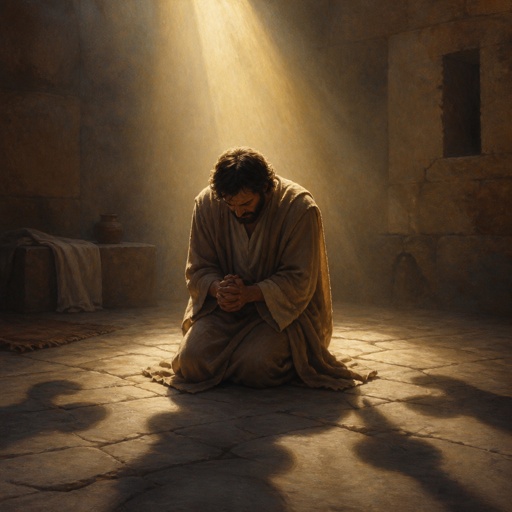
"O God, thou knowest my foolishness; and my sins are not hid from thee." - Psalms 69:5

Psalms 69:7 - "Because for thy sake I have borne reproach; shame hath covered my face."

Psalms 69:17 - "And hide not thy face from thy servant; for I am in trouble: hear me speedily."

Psalms 69:36 - "The seed also of his servants shall inherit it: and they that love his name shall dwell therein."

Psalms 69:21 - "They gave me also gall for my meat; and in my thirst they gave me vinegar to drink."
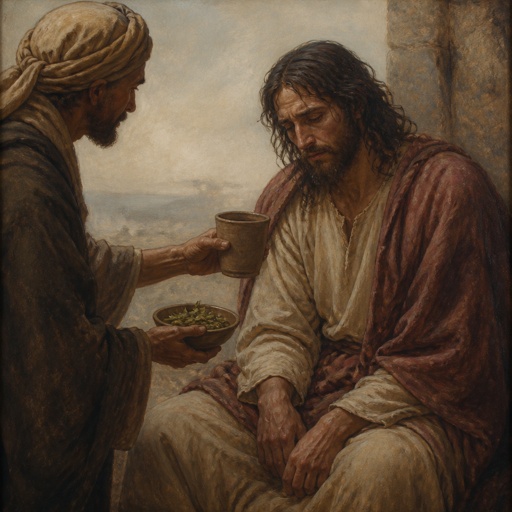
"They gave me also gall for my meat; and in my thirst they gave me vinegar to drink." - Psalms 69:21

Psalms 69:24 - "Pour out thine indignation upon them, and let thy wrathful anger take hold of them."