What does Psalms 6:1 mean?
“O LORD, rebuke me not in thine anger, neither chasten me in thy hot displeasure.” — Psalms 6:1
The Bible verse Psalms 6:1 in the King James Version reads, "O Lord, rebuke me not in thine anger, neither chasten me in thy hot displeasure." This verse is a plea for mercy and grace from the Lord, demonstrating the psalmist's dependence on God for forgiveness and redemption.
The book of Psalms is a collection of 150 poetic songs and prayers that express a wide range of emotions, from joy and praise to sorrow and lament. The psalms were written by various authors, including King David, and they are often used for worship, meditation, and personal reflection. Psalms 6, in particular, is a penitential psalm, expressing a deep sense of remorse and repentance.
In the context of Psalms 6:1, the psalmist is acutely aware of their sinfulness and the consequences of their actions. The verse begins with a plea for God's mercy, as the psalmist fears the divine retribution that may come as a result of their transgressions. The use of the word "rebuke" implies a sense of correction and discipline, but the psalmist implores the Lord not to do so in anger or hot displeasure. This indicates a recognition of God's righteous judgment and a desire for a compassionate and merciful response.
The themes of sin, repentance, and forgiveness are central to this verse. The psalmist's acknowledgment of their own wrongdoing and their reliance on God's grace reflects a deep understanding of the human condition and the need for divine intervention. The verse also highlights the psalmist's faith in God's character and the belief that God is a loving and compassionate Father who is willing to extend forgiveness to those who seek it.
The imagery of God's anger and hot displeasure serves as a powerful symbol of divine justice and holiness. The psalmist understands the severity of their actions and the potential consequences, but they also appeal to God's mercy and compassion. This demonstrates a nuanced understanding of the complex relationship between humanity and God, as well as the tension between judgment and grace.
Furthermore, Psalms 6:1 can be seen as a reflection of the broader biblical narrative of redemption and salvation. The plea for mercy and forgiveness is a recurring motif throughout the Bible, as it represents the universal human need for reconciliation with God. The verse also points to the redemptive work of Christ, who ultimately bore the consequences of humanity's sin and made it possible for God's mercy to triumph over judgment.
In conclusion, Psalms 6:1 is a poignant expression of the psalmist's plea for mercy and grace in the face of their own sinfulness. The verse captures the timeless themes of repentance, forgiveness, and the human longing for divine compassion. It serves as a powerful reminder of the profound truth that God, in His infinite love and mercy, is willing to extend forgiveness to all who come to Him with a contrite heart.
Get our apps


Artwork for Psalms 6:1

Psalms 6:1 - "O LORD, rebuke me not in thine anger, neither chasten me in thy hot displeasure."

"O LORD, rebuke me not in thine anger, neither chasten me in thy hot displeasure." - Psalms 6:1

Psalms 126:6

Psalms 36 verse 3-6

"For the LORD knoweth the way of the righteous: but the way of the ungodly shall perish." - Psalms 1:6

Psalms 1:6 - "For the LORD knoweth the way of the righteous: but the way of the ungodly shall perish."
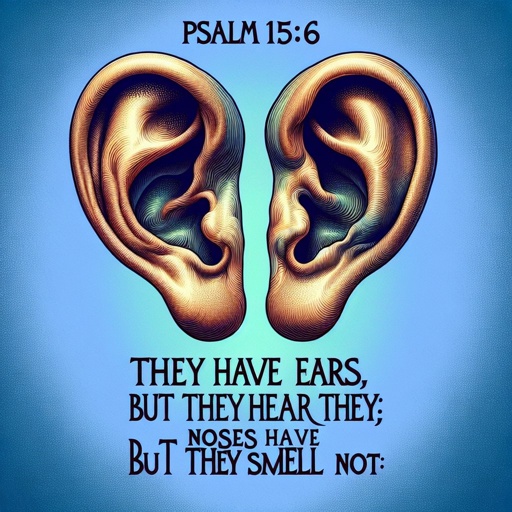
Psalms 115:6 - "They have ears, but they hear not: noses have they, but they smell not:"

Psalms 30:6 - "And in my prosperity I said, I shall never be moved."

Psalms 129:6 - "Let them be as the grass upon the housetops, which withereth afore it groweth up:"

Psalms 144:6 - "Cast forth lightning, and scatter them: shoot out thine arrows, and destroy them."

Psalms 74:6 - "But now they break down the carved work thereof at once with axes and hammers."

Psalms 6:6

Psalms 80:6 - "Thou makest us a strife unto our neighbours: and our enemies laugh among themselves."

Psalms 114:6 - "Ye mountains, that ye skipped like rams; and ye little hills, like lambs?"

"They slay the widow and the stranger, and murder the fatherless." - Psalms 94:6

Psalms 130:6 - "My soul waiteth for the Lord more than they that watch for the morning: I say, more than they that watch for the morning."

Psalms 118:6 - "The LORD is on my side; I will not fear: what can man do unto me?"

"In the morning it flourisheth, and groweth up; in the evening it is cut down, and withereth." - Psalms 90:6

Psalms 19:6 - "His going forth is from the end of the heaven, and his circuit unto the ends of it: and there is nothing hid from the heat thereof."

"Pray for the peace of Jerusalem: they shall prosper that love thee." - Psalms 122:6

"Thou hast laid me in the lowest pit, in darkness, in the deeps." - Psalms 88:6

Psalms 126:6

Psalms 126:6
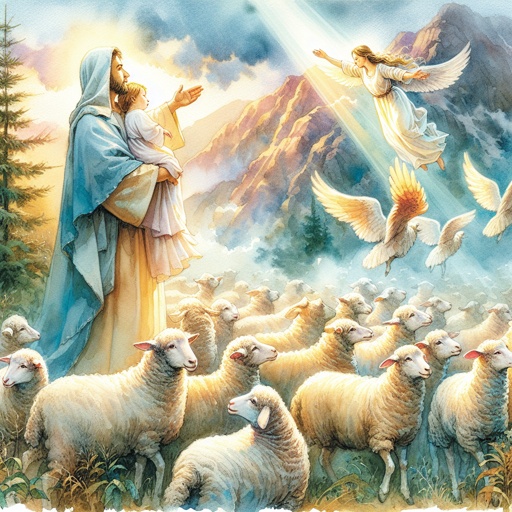
psalm 80:1-7

Psalms 128:1 - "Blessed is every one that feareth the LORD; that walketh in his ways."

Psalms 126:6

Psalms 122:1 - "I was glad when they said unto me, Let us go into the house of the LORD."

Psalm 1:6

Psalms 15:1 (KJVA) 1 A Psalm of David. LORD, who shall abide in thy tabernacle? who shall dwell in thy holy hill?

"Which by his strength setteth fast the mountains; being girded with power:" - Psalms 65:6