What does Psalms 6:3 mean?
"My soul is also sore vexed: but thou, O LORD, how long?" - Psalms 6:3
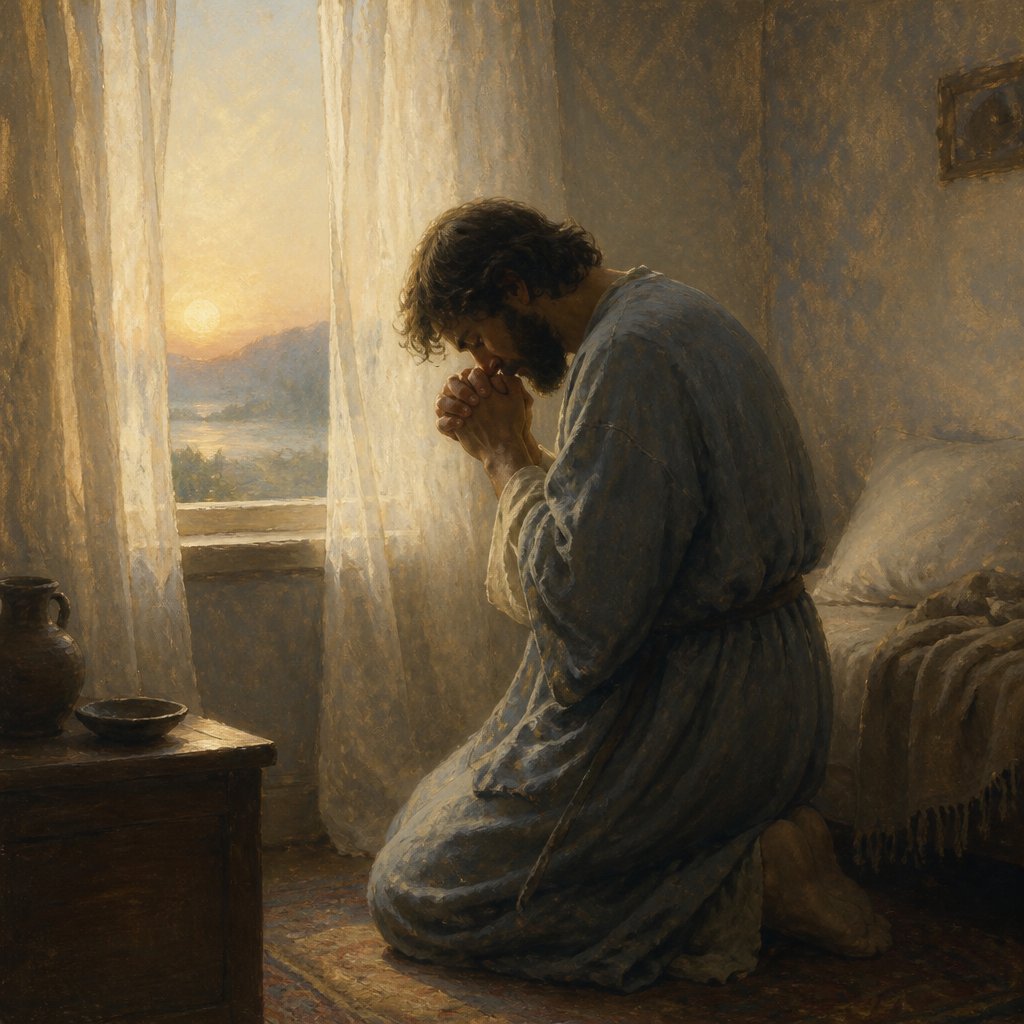
The Bible verse Psalms 6:3 from the King James Version (KJV) reads:
"My soul is also sore vexed: but thou, O Lord, how long?"
This verse, part of a larger prayer of lament, expresses the deep anguish and distress of the psalmist. The psalmist is in a state of deep emotional and spiritual turmoil, feeling overwhelmed and distraught. This verse is an expression of the psalmist's desperation and longing for relief, as they cry out to the Lord for deliverance.
The Book of Psalms, from which this verse is taken, is a collection of 150 poetic songs and prayers that express a wide range of human emotions and experiences, including joy, praise, thanksgiving, and lament. The psalms are attributed to various authors, including King David, and are believed to have been used in the worship of ancient Israel. They continue to hold great significance for Jews and Christians today, serving as a source of comfort, inspiration, and guidance.
The theme of lament is a prominent feature of many of the psalms, including Psalm 6. Lament psalms typically follow a pattern of addressing God, expressing the psalmist's distress, petitioning for help, and offering praise and trust in God's faithfulness. In Psalm 6:3, the psalmist's soul is "sore vexed," conveying a deep sense of inner turmoil and anguish. The psalmist's cry of "how long" reflects a desperate longing for relief and deliverance from their suffering.
The feelings of distress and longing expressed in this verse are relatable to people from all walks of life. Throughout history, individuals have experienced seasons of profound sorrow, pain, and uncertainty, leading them to cry out to a higher power for solace and healing. The Bible, and specifically the Psalms, provide a timeless and universal language for expressing these deep emotions and seeking comfort in the midst of despair.
The use of the term "soul" in this verse conveys the depth of the psalmist's distress. The soul, in biblical and theological terms, represents the core of a person's being – their emotions, thoughts, and desires. The psalmist's soul being "sore vexed" suggests that their entire being is in turmoil, with no aspect of their being untouched by the weight of their suffering.
The psalmist's choice to direct their lament to the Lord is significant. Despite their anguish, they turn to God as the source of their hope and deliverance. This act of turning to God in the midst of suffering reflects a deep trust in God's compassion and power to bring comfort and healing. It also serves as a model for believers today, encouraging them to bring their own struggles and sorrows before God in prayer, knowing that God is attentive to their cries and able to bring about transformation and renewal.
In addition to the themes of lament and trust, Psalm 6:3 also contains an element of questioning. The psalmist's cry of "how long" expresses a sense of impatience and frustration, as they grapple with the seemingly prolonged nature of their suffering. This aspect of questioning is a common feature in many lament psalms, as the psalmists wrestle with the tension between their present distress and their longing for relief.
In terms of symbolism, the psalmist's cry for deliverance can be seen as a metaphor for the broader human experience of longing for redemption and restoration. The psalmist's anguish becomes a symbol for the universal human condition of suffering and longing for healing. This symbolism serves to connect the psalm to the larger narrative of God's redemptive work in the world, offering hope and reassurance that God is present and active in the midst of suffering.
In conclusion, Psalm 6:3 from the King James Version is a poignant expression of the psalmist's deep anguish and longing for deliverance. This verse, along with the larger context of Psalm 6, offers a powerful reflection on human suffering, trust in God, and the timeless significance of lament. It serves as a source of encouragement and comfort for believers, reminding them of God's faithfulness and compassion in the midst of life's trials.
Have questions about Psalms 6:3?
Dive deeper into this scripture with Bible Chat — an AI-powered tool for exploring God's Word through conversation. Ask questions, get context, and grow in your understanding of the Bible.
Get Our Apps


Psalms 6:3 Artwork

Psalms 6:3 - "My soul is also sore vexed: but thou, O LORD, how long?"
"My soul is also sore vexed: but thou, O LORD, how long?" - Psalms 6:3

Psalms 36 verse 3-6

Psalms 126:6

Psalms 3:6 - "I will not be afraid of ten thousands of people, that have set themselves against me round about."
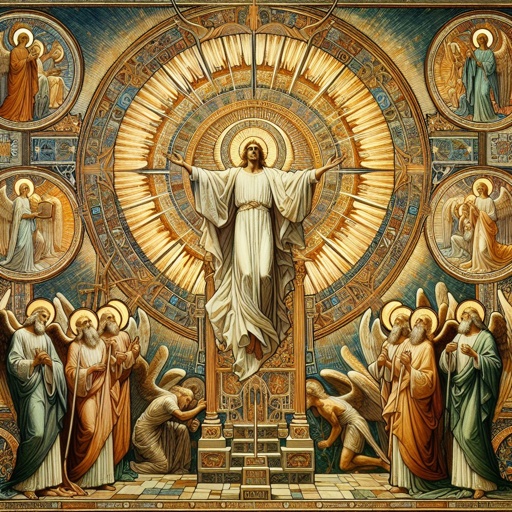
Psalms 111:3 - "His work is honourable and glorious: and his righteousness endureth for ever."
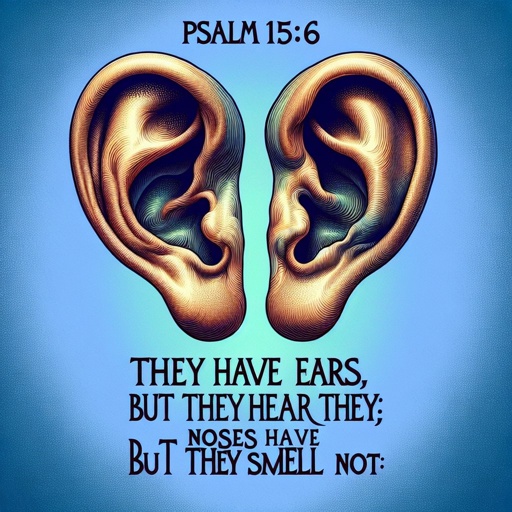
Psalms 115:6 - "They have ears, but they hear not: noses have they, but they smell not:"

Psalms 30:6 - "And in my prosperity I said, I shall never be moved."

Psalms 88:3 - "For my soul is full of troubles: and my life draweth nigh unto the grave."

Psalms 103:3 - "Who forgiveth all thine iniquities; who healeth all thy diseases;"

Psalms 87:3 - "Glorious things are spoken of thee, O city of God. Selah."

Psalms 129:6 - "Let them be as the grass upon the housetops, which withereth afore it groweth up:"

Psalms 144:6 - "Cast forth lightning, and scatter them: shoot out thine arrows, and destroy them."

Psalms 74:6 - "But now they break down the carved work thereof at once with axes and hammers."

Psalm 8:3-6

Psalms 6:6

Psalms 80:6 - "Thou makest us a strife unto our neighbours: and our enemies laugh among themselves."

Psalms 114:6 - "Ye mountains, that ye skipped like rams; and ye little hills, like lambs?"

Psalm 8:3-6

"They slay the widow and the stranger, and murder the fatherless." - Psalms 94:6

Psalms 130:6 - "My soul waiteth for the Lord more than they that watch for the morning: I say, more than they that watch for the morning."

Psalms 118:6 - "The LORD is on my side; I will not fear: what can man do unto me?"

Psalms 67:3 - "Let the people praise thee, O God; let all the people praise thee."

"In the morning it flourisheth, and groweth up; in the evening it is cut down, and withereth." - Psalms 90:6

Psalms 19:6 - "His going forth is from the end of the heaven, and his circuit unto the ends of it: and there is nothing hid from the heat thereof."

Psalms 116:3 - "The sorrows of death compassed me, and the pains of hell gat hold upon me: I found trouble and sorrow."

"Pray for the peace of Jerusalem: they shall prosper that love thee." - Psalms 122:6

"The sea saw it, and fled: Jordan was driven back." - Psalms 114:3

"Thou hast laid me in the lowest pit, in darkness, in the deeps." - Psalms 88:6

Psalms 138:3 - "In the day when I cried thou answeredst me, and strengthenedst me with strength in my soul."