What does Psalms 74:2 mean?
“Remember thy congregation, which thou hast purchased of old; the rod of thine inheritance, which thou hast redeemed; this mount Zion, wherein thou hast dwelt.” — Psalms 74:2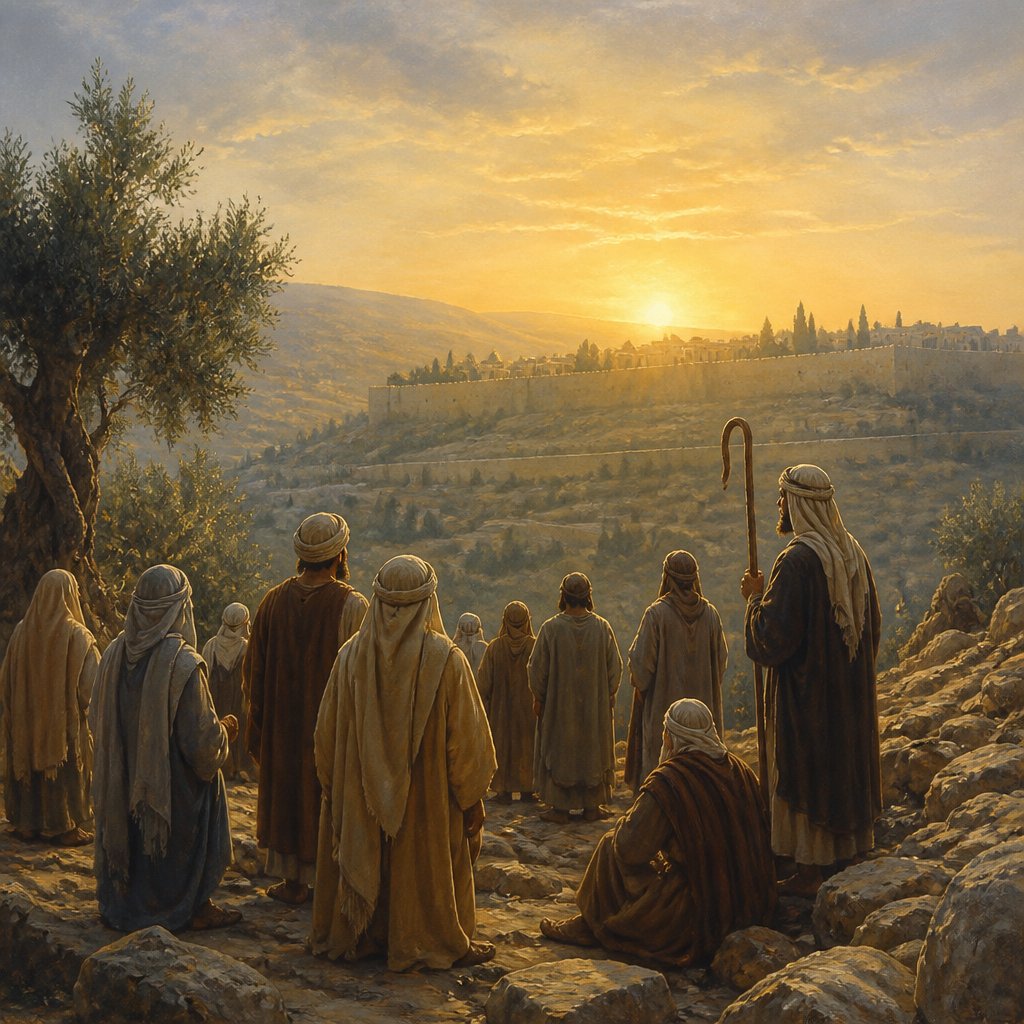
Psalm 74:2 in the King James Version of the Bible says, "Remember thy congregation, which thou hast purchased of old; the rod of thine inheritance, which thou hast redeemed; this mount Zion, wherein thou hast dwelt." This verse is a plea for God to remember and protect his people, and it speaks to the deep connections between God and his chosen people.
The verse begins with a call for God to remember "thy congregation." This congregation is understood to be the people of Israel, who are often referred to as God's chosen people throughout the Old Testament. The word "congregation" here reflects a sense of unity and community among the people of Israel. It emphasizes both their collective identity as a group and their shared relationship with God. The plea for God to remember this congregation suggests a sense of desperation and urgency, indicating that the people feel vulnerable and in need of divine intervention.
The verse then goes on to remind God that the congregation is a group that he has "purchased of old." This phrase highlights the historical and ancestral bond between God and the people of Israel. It harkens back to the biblical accounts of God's covenant with Abraham and the subsequent generations of Israelites. The idea of being "purchased" suggests that the people belong to God, that they are his possession, and that he has a responsibility to care for them.
The verse continues by referring to the congregation as "the rod of thine inheritance, which thou hast redeemed." This language further underscores the idea of ownership and redemption. The term "rod" can be understood as a symbol of authority and protection, indicating that the people of Israel are both God's possession and under his divine care. The word "redemption" also carries important theological weight, as it alludes to the idea of God rescuing his people from sin and oppression. In this context, it implies that God has a special relationship with the people of Israel and that he has intervened on their behalf in the past.
Finally, the verse mentions "this mount Zion, wherein thou hast dwelt." Mount Zion is a significant location in the biblical narrative, as it is often associated with the presence and dwelling of God. It is the site of the ancient city of Jerusalem and the location of the Temple, the central place of worship for the people of Israel. By referencing Mount Zion, the verse further emphasizes the sacred and intimate relationship between God and his people.
Overall, Psalm 74:2 is a powerful expression of the enduring bond between God and the people of Israel. It reflects a profound sense of dependence on God's protection and a deep awareness of the historical and spiritual connections between the two. The verse reminds us of the themes of covenant, redemption, and divine presence that run throughout the Bible, and it is a timeless expression of the faith and trust that God's people have placed in him.
Get our apps


Artwork for Psalms 74:2
Psalms 74:2 - "Remember thy congregation, which thou hast purchased of old; the rod of thine inheritance, which thou hast redeemed; this mount Zion, wherein thou hast dwelt."
"Remember thy congregation, which thou hast purchased of old; the rod of thine inheritance, which thou hast redeemed; this mount Zion, wherein thou hast dwelt." - Psalms 74:2

Psalms 74:6 - "But now they break down the carved work thereof at once with axes and hammers."

Psalms 74:12 - "For God is my King of old, working salvation in the midst of the earth."

Psalms 74:4 - "Thine enemies roar in the midst of thy congregations; they set up their ensigns for signs."
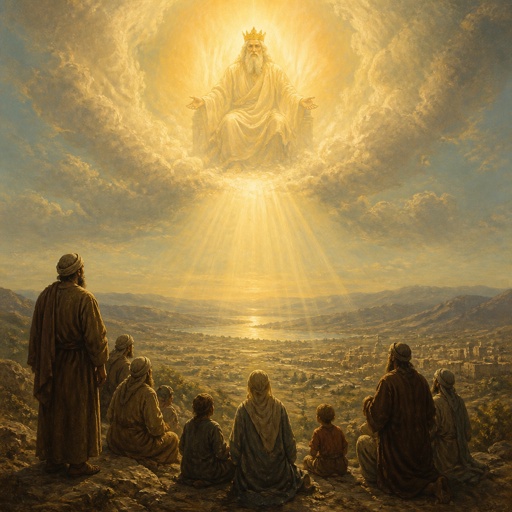
"For God is my King of old, working salvation in the midst of the earth." - Psalms 74:12

Psalms 74:21 - "O let not the oppressed return ashamed: let the poor and needy praise thy name."

Psalms 74:13 - "Thou didst divide the sea by thy strength: thou brakest the heads of the dragons in the waters."

Psalms 119:74 - "They that fear thee will be glad when they see me; because I have hoped in thy word."

Psalms 74:18 - "Remember this, that the enemy hath reproached, O LORD, and that the foolish people have blasphemed thy name."

Psalms 74:23 - "Forget not the voice of thine enemies: the tumult of those that rise up against thee increaseth continually."
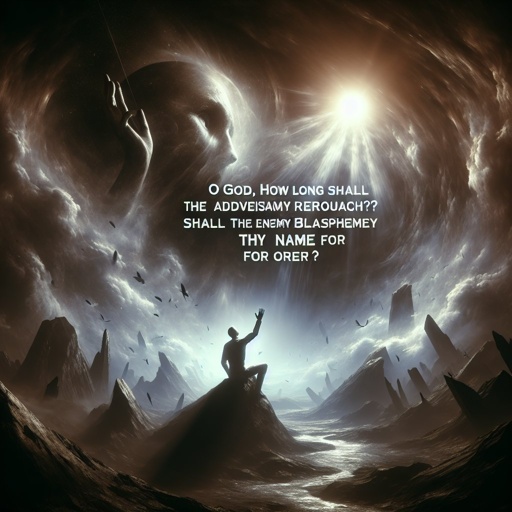
Psalms 74:10 - "O God, how long shall the adversary reproach? shall the enemy blaspheme thy name for ever?"

Psalms 74:15 - "Thou didst cleave the fountain and the flood: thou driedst up mighty rivers."

Psalms 74:20 - "Have respect unto the covenant: for the dark places of the earth are full of the habitations of cruelty."

Psalms 74:16 - "The day is thine, the night also is thine: thou hast prepared the light and the sun."
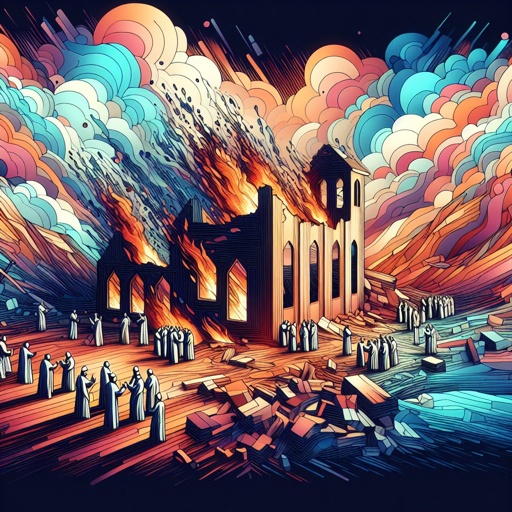
Psalms 74:8 - "They said in their hearts, Let us destroy them together: they have burned up all the synagogues of God in the land."
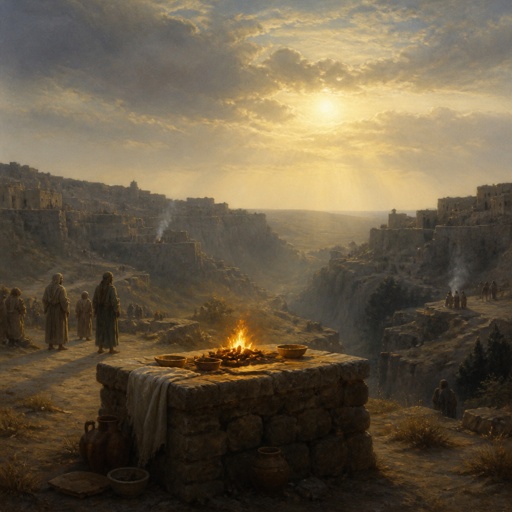
"Have respect unto the covenant: for the dark places of the earth are full of the habitations of cruelty." - Psalms 74:20

"The day is thine, the night also is thine: thou hast prepared the light and the sun." - Psalms 74:16

Psalms 74:17 - "Thou hast set all the borders of the earth: thou hast made summer and winter."

Psalms 74:14 - "Thou brakest the heads of leviathan in pieces, and gavest him to be meat to the people inhabiting the wilderness."

Psalms 74:5 - "A man was famous according as he had lifted up axes upon the thick trees."

Psalms 74:11 - "Why withdrawest thou thy hand, even thy right hand? pluck it out of thy bosom."
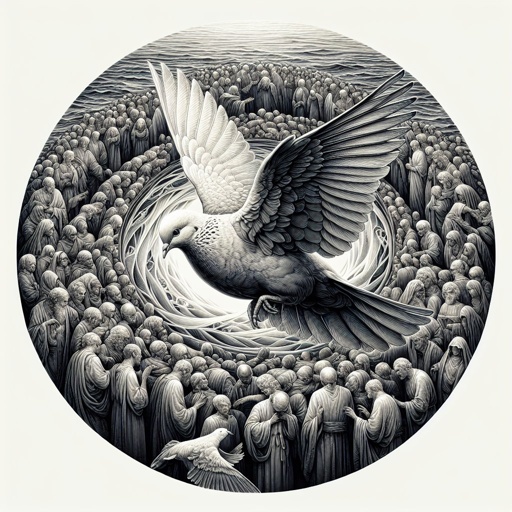
Psalms 74:19 - "O deliver not the soul of thy turtledove unto the multitude of the wicked: forget not the congregation of thy poor for ever."
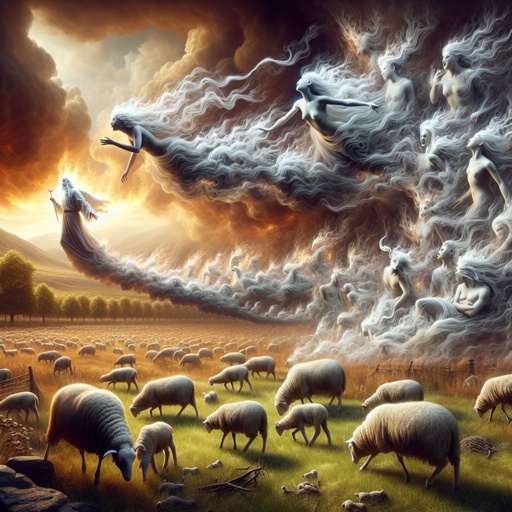
Psalms 74:1 - "O God, why hast thou cast us off for ever? why doth thine anger smoke against the sheep of thy pasture?"
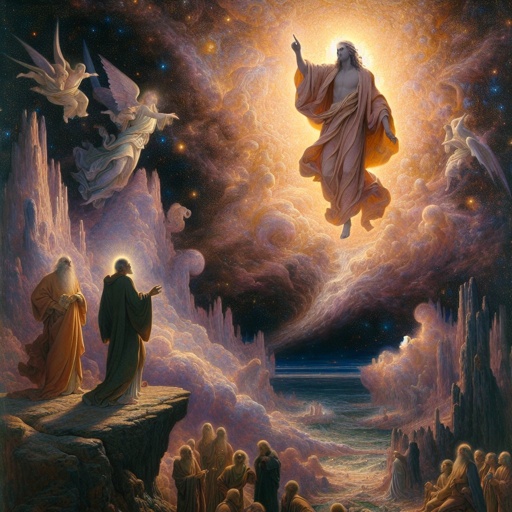
Psalms 74:22 - "Arise, O God, plead thine own cause: remember how the foolish man reproacheth thee daily."
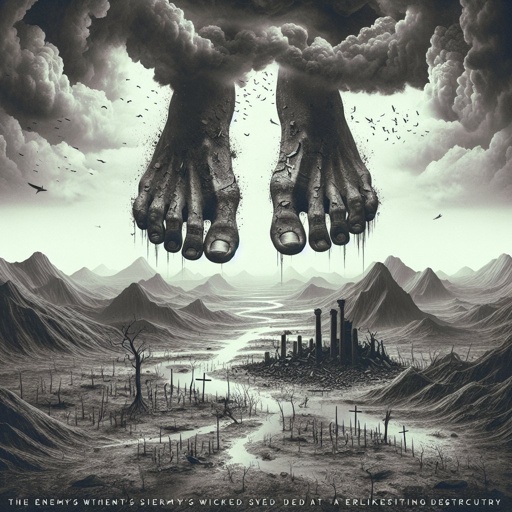
Psalms 74:3 - "Lift up thy feet unto the perpetual desolations; even all that the enemy hath done wickedly in the sanctuary."

Psalms 74:9 - "We see not our signs: there is no more any prophet: neither is there among us any that knoweth how long."

Psalms 74:7 - "They have cast fire into thy sanctuary, they have defiled by casting down the dwelling place of thy name to the ground."
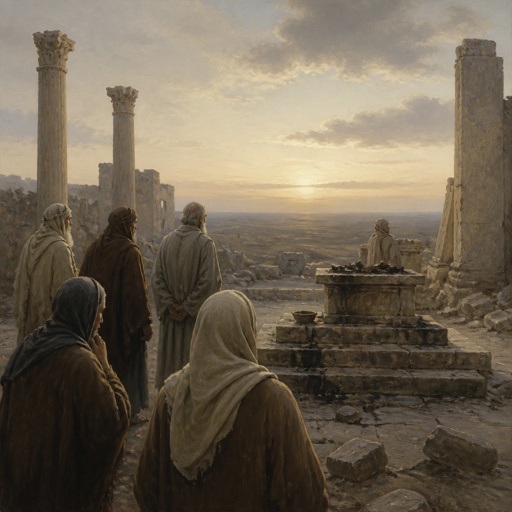
"We see not our signs: there is no more any prophet: neither is there among us any that knoweth how long." - Psalms 74:9
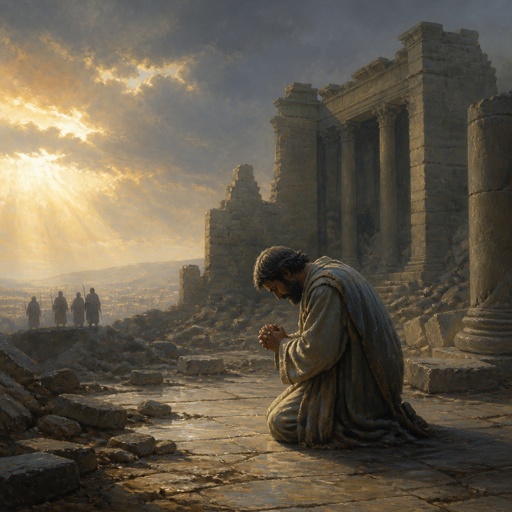
"O God, how long shall the adversary reproach? shall the enemy blaspheme thy name for ever?" - Psalms 74:10