What does Psalms 74:21 mean?
“O let not the oppressed return ashamed: let the poor and needy praise thy name.” — Psalms 74:21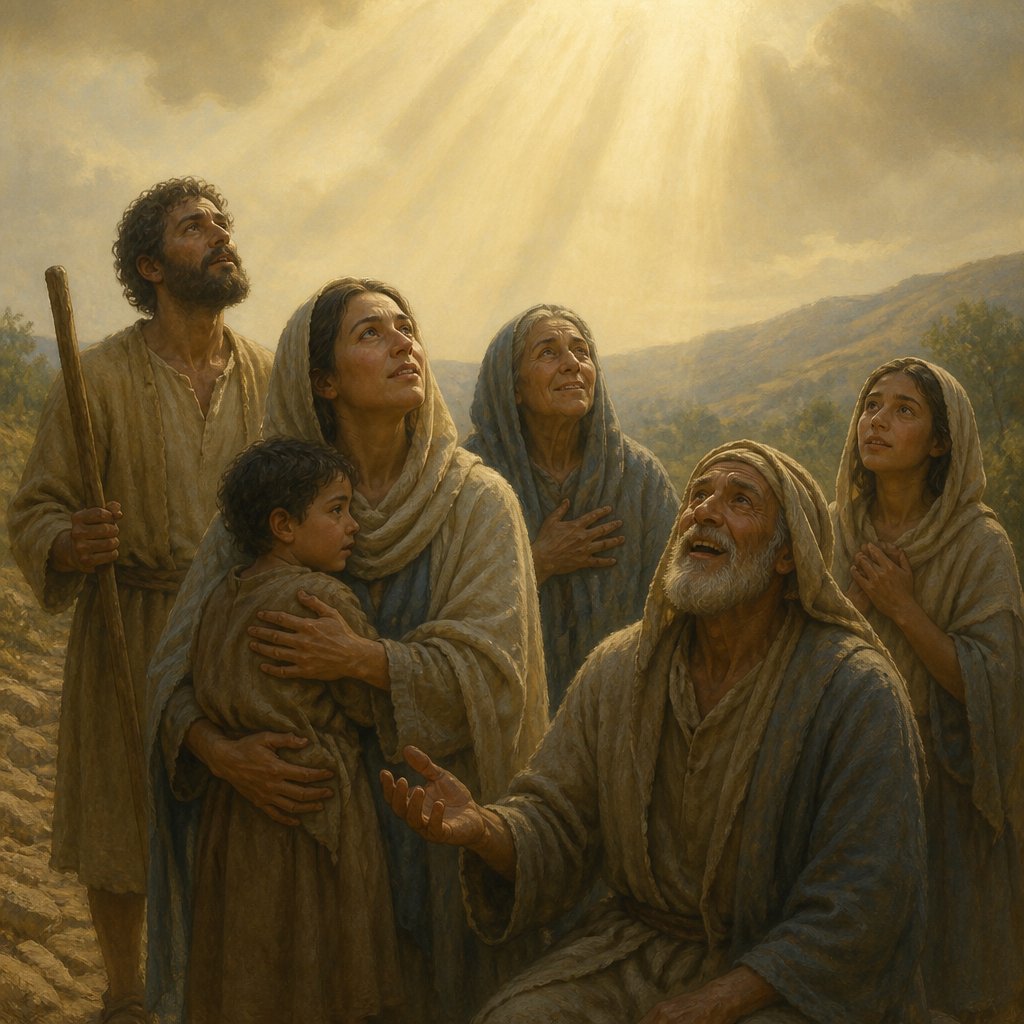
The verse Psalms 74:21 in the King James Version of the Bible reads, "O let not the oppressed return ashamed: let the poor and needy praise thy name." This verse captures a plea for God's intervention on behalf of the oppressed and the poor and needy. It conveys a deep sense of concern for justice and mercy for those who are marginalized and suffering.
The context of this verse is the lamentation of the Psalmist over the destruction of the sanctuary, which was a central place of worship and safety for the people of Israel. The psalmist is overcome with grief and despair as he witnesses the desolation of this sacred place and the suffering of his people. In the midst of this turmoil, the psalmist turns to God, crying out for deliverance and restoration.
The theme of social justice and compassion for the marginalized is central to this verse. The psalmist evokes a sense of empathy and solidarity with the oppressed and the poor, recognizing their vulnerability and fragility. The plea for the oppressed not to return ashamed reflects a desire for their dignity and worth to be restored. The psalmist longs for the poor and needy to be able to praise God's name, signaling a vision of a world where all people have the opportunity to experience God's goodness and mercy.
The symbolism in this verse is rich and profound. The oppressed and the poor and needy represent those who are marginalized and often overlooked in society. They may be experiencing various forms of injustice, such as poverty, discrimination, or persecution. By invoking their plight, the psalmist draws attention to the importance of recognizing and addressing the suffering of those who are most vulnerable.
The act of praising God's name by the poor and needy symbolizes the resilience and faith of those who are enduring hardships. It conveys a message of hope and strength, highlighting the transformative power of worship and gratitude in the midst of adversity. The psalmist's plea for the oppressed not to return ashamed is a symbolic call for the restoration of their dignity and agency, affirming their intrinsic value as children of God.
The verse Psalms 74:21 is deeply relevant and impactful in today's world, where many people continue to experience oppression and poverty. It serves as a reminder of the importance of standing in solidarity with those who are marginalized and advocating for justice and mercy. It also challenges us to reflect on our own attitudes and actions towards the oppressed and the poor, inviting us to consider how we can be agents of compassion and change in our communities.
In conclusion, Psalms 74:21 is a poignant and powerful expression of the psalmist's plea for God's intervention on behalf of the oppressed and the poor and needy. It raises profound questions about social justice, compassion, and the transformative power of faith. As we ponder these themes, we are encouraged to consider how we can embody these values in our own lives and contribute to creating a more just and compassionate society.
Get our apps


Artwork for Psalms 74:21

Psalms 74:21 - "O let not the oppressed return ashamed: let the poor and needy praise thy name."
"O let not the oppressed return ashamed: let the poor and needy praise thy name." - Psalms 74:21

Psalms 74:6 - "But now they break down the carved work thereof at once with axes and hammers."

Psalms 74:12 - "For God is my King of old, working salvation in the midst of the earth."

Psalms 74:4 - "Thine enemies roar in the midst of thy congregations; they set up their ensigns for signs."
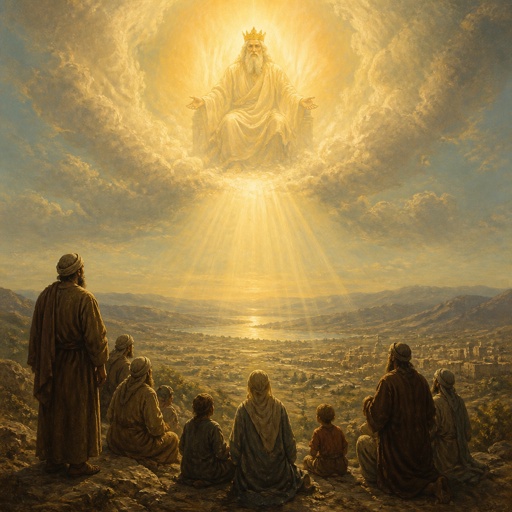
"For God is my King of old, working salvation in the midst of the earth." - Psalms 74:12

Psalms 74:13 - "Thou didst divide the sea by thy strength: thou brakest the heads of the dragons in the waters."

Psalms 119:74 - "They that fear thee will be glad when they see me; because I have hoped in thy word."

Psalms 74:18 - "Remember this, that the enemy hath reproached, O LORD, and that the foolish people have blasphemed thy name."

Psalms 74:23 - "Forget not the voice of thine enemies: the tumult of those that rise up against thee increaseth continually."
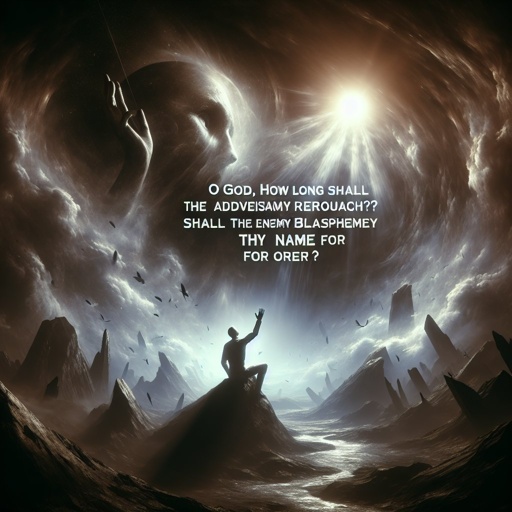
Psalms 74:10 - "O God, how long shall the adversary reproach? shall the enemy blaspheme thy name for ever?"

Psalms 74:15 - "Thou didst cleave the fountain and the flood: thou driedst up mighty rivers."

Psalms 74:20 - "Have respect unto the covenant: for the dark places of the earth are full of the habitations of cruelty."

Psalms 74:16 - "The day is thine, the night also is thine: thou hast prepared the light and the sun."
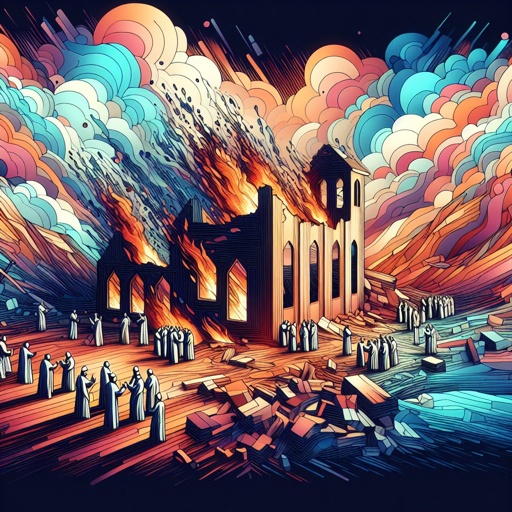
Psalms 74:8 - "They said in their hearts, Let us destroy them together: they have burned up all the synagogues of God in the land."
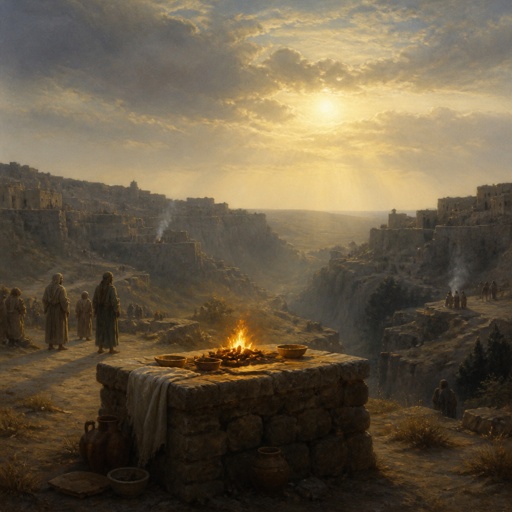
"Have respect unto the covenant: for the dark places of the earth are full of the habitations of cruelty." - Psalms 74:20

"The day is thine, the night also is thine: thou hast prepared the light and the sun." - Psalms 74:16

Psalms 74:17 - "Thou hast set all the borders of the earth: thou hast made summer and winter."

Psalms 74:14 - "Thou brakest the heads of leviathan in pieces, and gavest him to be meat to the people inhabiting the wilderness."

Psalms 74:5 - "A man was famous according as he had lifted up axes upon the thick trees."

Psalms 74:11 - "Why withdrawest thou thy hand, even thy right hand? pluck it out of thy bosom."
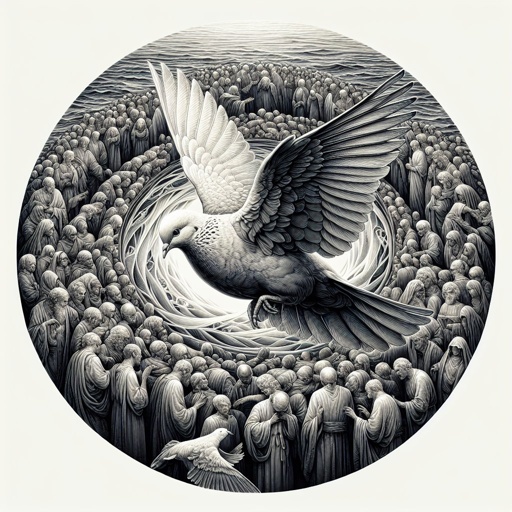
Psalms 74:19 - "O deliver not the soul of thy turtledove unto the multitude of the wicked: forget not the congregation of thy poor for ever."

Psalms 74:1 - "O God, why hast thou cast us off for ever? why doth thine anger smoke against the sheep of thy pasture?"

Psalms 74:22 - "Arise, O God, plead thine own cause: remember how the foolish man reproacheth thee daily."
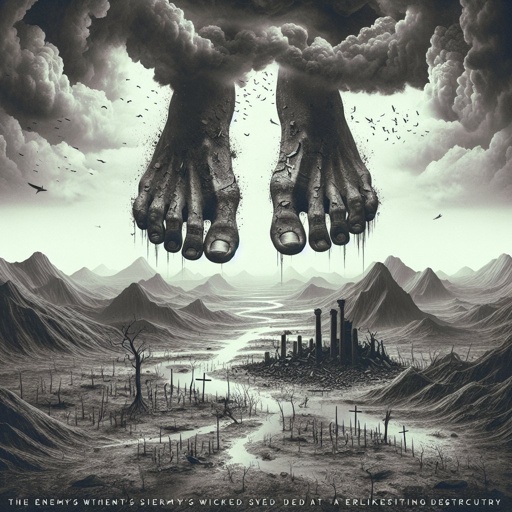
Psalms 74:3 - "Lift up thy feet unto the perpetual desolations; even all that the enemy hath done wickedly in the sanctuary."

Psalms 74:9 - "We see not our signs: there is no more any prophet: neither is there among us any that knoweth how long."

Psalms 74:7 - "They have cast fire into thy sanctuary, they have defiled by casting down the dwelling place of thy name to the ground."
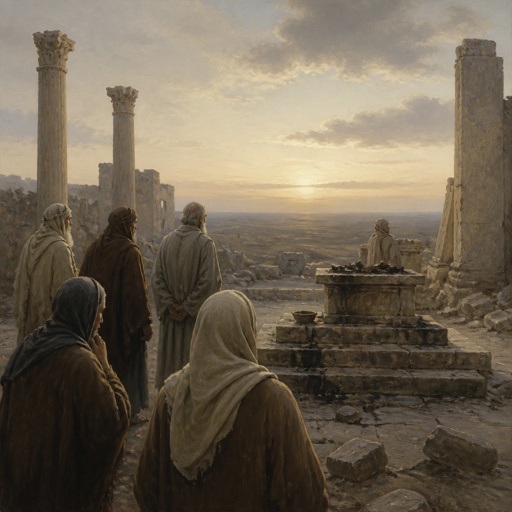
"We see not our signs: there is no more any prophet: neither is there among us any that knoweth how long." - Psalms 74:9
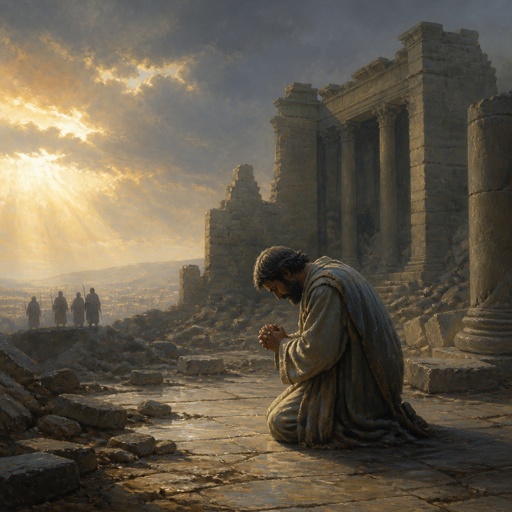
"O God, how long shall the adversary reproach? shall the enemy blaspheme thy name for ever?" - Psalms 74:10

Psalms 74:2 - "Remember thy congregation, which thou hast purchased of old; the rod of thine inheritance, which thou hast redeemed; this mount Zion, wherein thou hast dwelt."