What does Psalms 75:1 mean?
“Unto thee, O God, do we give thanks, unto thee do we give thanks: for that thy name is near thy wondrous works declare.” — Psalms 75:1
Psalm 75:1 in the King James Version of the Bible reads, "Unto thee, O God, do we give thanks, unto thee do we give thanks: for that thy name is near thy wondrous works declare." This verse is part of a larger psalm that is attributed to Asaph, a Levite appointed by King David to lead the music of the tabernacle (1 Chronicles 6:31-32; 15:16-19). Asaph is known for his many musical compositions, which are recorded in the book of Psalms and are known for their depth of emotion, reverence for God, and reliance on His sovereignty.
The first verse of Psalm 75 serves as a declaration of gratitude and praise to God. It is a call to acknowledge and give thanks to God for his proximity to us and for the wondrous works that He has performed. The repetition of the phrase "unto thee do we give thanks" emphasizes the depth of the gratitude and the intent to direct all praise and thanks to God.
The theme of gratitude and praise is central to this verse. It emphasizes the importance of recognizing and acknowledging God's presence and works in our lives. The psalmist's repetition of the phrase "unto thee, O God, do we give thanks" underscores the idea that all gratitude and thanks belong to God alone. This verse serves as a reminder to believers to maintain an attitude of thankfulness and praise, even in times of difficulty, recognizing God's nearness and wondrous works.
The context of this psalm is one of praise and thanksgiving in the midst of uncertainty and chaos. The psalmist acknowledges the presence of wickedness and boastful pride in the earth and affirms God's authority as the sovereign ruler and judge. In verses 2-10, the psalmist proclaims God's righteous judgment and warns the wicked of their impending downfall. This context provides a backdrop for the psalmist's declaration of praise and thanksgiving in verse 1, highlighting the importance of maintaining gratitude and trust in God's sovereignty, even in the face of adversity.
The symbolism in this verse lies in the idea of God's nearness and wondrous works. The concept of God's name being near is symbolic of His presence and accessibility to His people. This proximity speaks to the intimacy of the relationship between God and His followers, emphasizing the idea that God is close at hand and attentive to the needs of His children. The mention of God's wondrous works symbolizes His power and sovereignty, pointing to the miraculous deeds and interventions that He has performed throughout history. This symbolism underscores the psalmist's recognition of God's active involvement in the lives of His people and His ability to bring about extraordinary and awe-inspiring feats.
In conclusion, Psalm 75:1 in the King James Version of the Bible serves as a powerful declaration of praise and gratitude to God. It emphasizes the themes of thanksgiving, recognition of God's nearness, and acknowledgement of His wondrous works. The verse is set in the context of praise and thanksgiving in the midst of adversity, highlighting the importance of maintaining trust and gratitude in God's sovereignty. The symbolism of God's nearness and wondrous works underscores the intimacy of God's relationship with His people and His ability to perform extraordinary deeds. This verse serves as a timeless reminder for believers to maintain an attitude of gratitude and praise, acknowledging God's presence and His wondrous works in their lives.
Get our apps


Artwork for Psalms 75:1

Psalms 75:1 - "Unto thee, O God, do we give thanks, unto thee do we give thanks: for that thy name is near thy wondrous works declare."

"Unto thee, O God, do we give thanks, unto thee do we give thanks: for that thy name is near thy wondrous works declare." - Psalms 75:1

Psalms 75:5 - "Lift not up your horn on high: speak not with a stiff neck."

Psalms 75:9 - "But I will declare for ever; I will sing praises to the God of Jacob."

Psalms 75:2 - "When I shall receive the congregation I will judge uprightly."

Psalms 75:7 - "But God is the judge: he putteth down one, and setteth up another."

Psalms 75:4 - "I said unto the fools, Deal not foolishly: and to the wicked, Lift not up the horn:"

"The earth and all the inhabitants thereof are dissolved: I bear up the pillars of it. Selah." - Psalms 75:3

Psalms 75:3 - "The earth and all the inhabitants thereof are dissolved: I bear up the pillars of it. Selah."

Psalms 75:10 - "All the horns of the wicked also will I cut off; but the horns of the righteous shall be exalted."
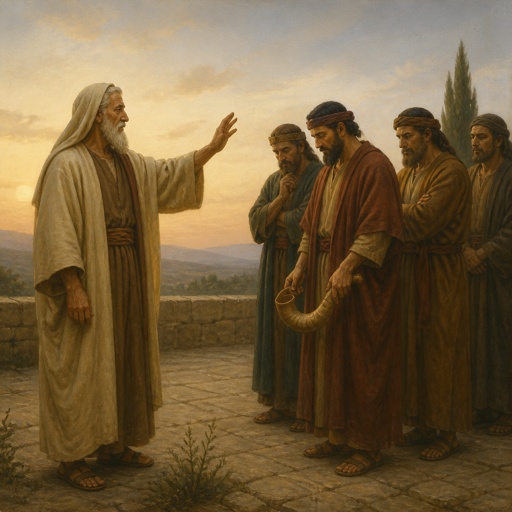
"I said unto the fools, Deal not foolishly: and to the wicked, Lift not up the horn:" - Psalms 75:4

Psalms 75:6 - "For promotion cometh neither from the east, nor from the west, nor from the south."

Psalms 119:75 - "I know, O LORD, that thy judgments are right, and that thou in faithfulness hast afflicted me."
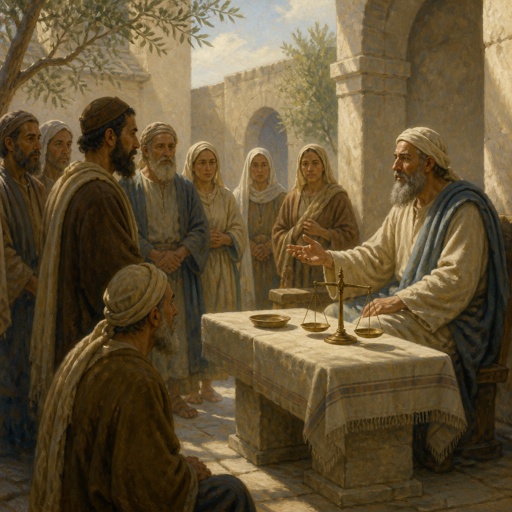
"When I shall receive the congregation I will judge uprightly." - Psalms 75:2
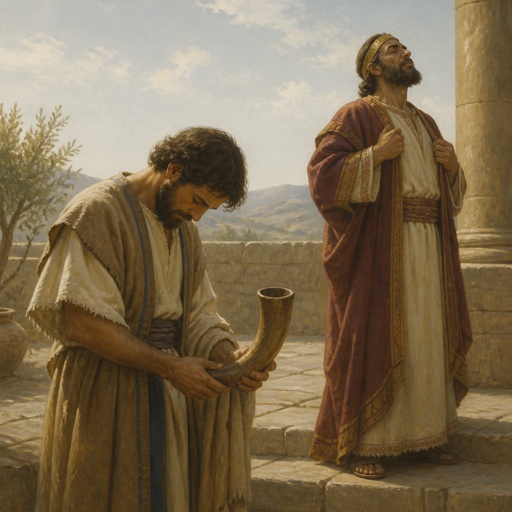
"Lift not up your horn on high: speak not with a stiff neck." - Psalms 75:5
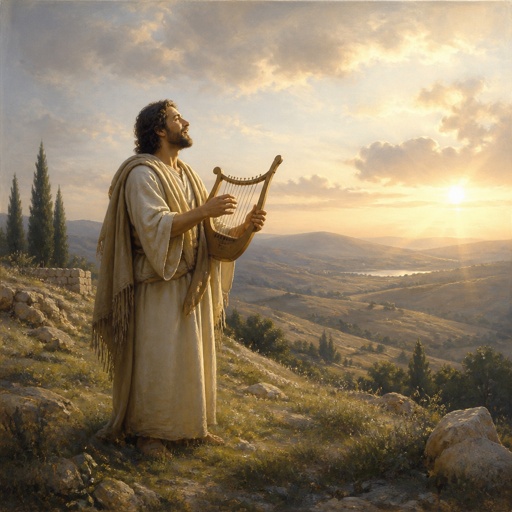
"But I will declare for ever; I will sing praises to the God of Jacob." - Psalms 75:9
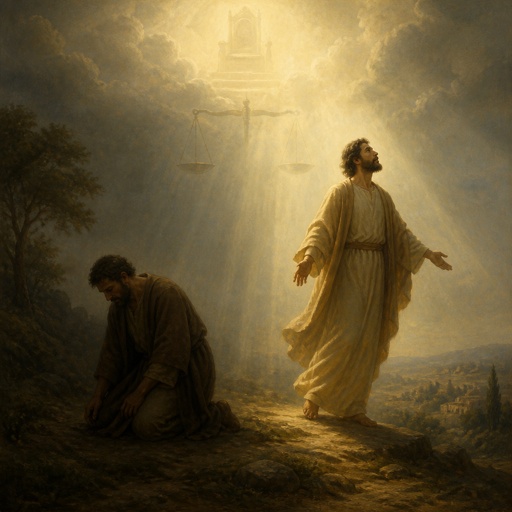
"But God is the judge: he putteth down one, and setteth up another." - Psalms 75:7

Psalms 75:8 - "For in the hand of the LORD there is a cup, and the wine is red; it is full of mixture; and he poureth out of the same: but the dregs thereof, all the wicked of the earth shall wring them out, and drink them."

"All the horns of the wicked also will I cut off; but the horns of the righteous shall be exalted." - Psalms 75:10

"For promotion cometh neither from the east, nor from the west, nor from the south." - Psalms 75:6

"I know, O LORD, that thy judgments are right, and that thou in faithfulness hast afflicted me." - Psalms 119:75

1 Chronicles 6:75 - "And Hukok with her suburbs, and Rehob with her suburbs:"

Luke 1:75 - "In holiness and righteousness before him, all the days of our life."
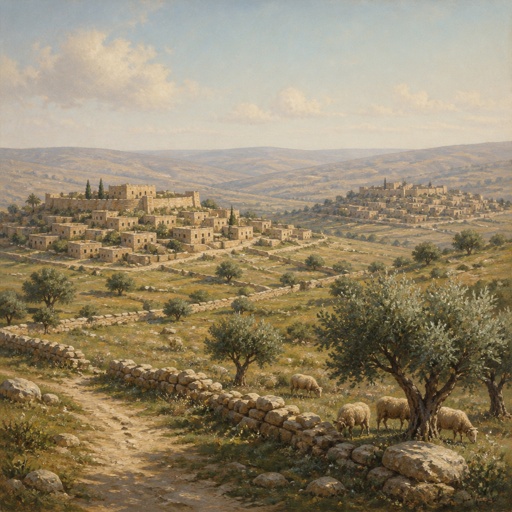
"And Hukok with her suburbs, and Rehob with her suburbs:" - 1 Chronicles 6:75

"In holiness and righteousness before him, all the days of our life." - Luke 1:75
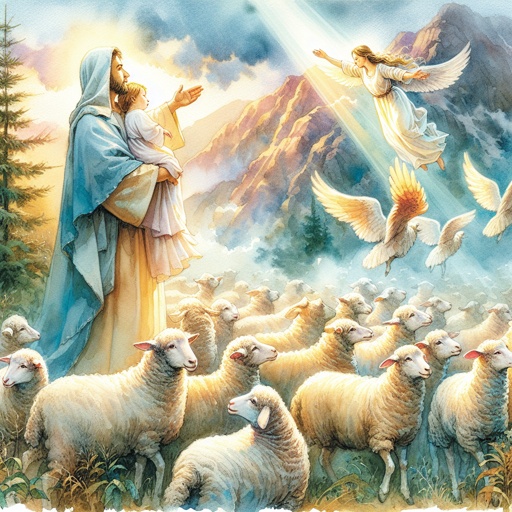
psalm 80:1-7

Psalms 128:1 - "Blessed is every one that feareth the LORD; that walketh in his ways."
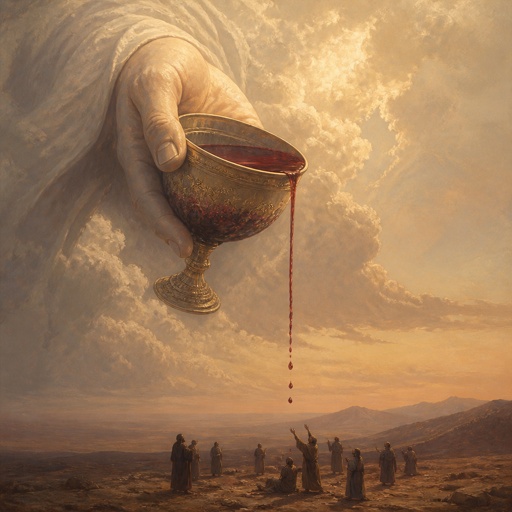
"For in the hand of the LORD there is a cup, and the wine is red; it is full of mixture; and he poureth out of the same: but the dregs thereof, all the wicked of the earth shall wring them out, and drink them." - Psalms 75:8

Psalms 122:1 - "I was glad when they said unto me, Let us go into the house of the LORD."

Psalms 15:1 (KJVA) 1 A Psalm of David. LORD, who shall abide in thy tabernacle? who shall dwell in thy holy hill?