What does Psalms 76:8 mean?
“Thou didst cause judgment to be heard from heaven; the earth feared, and was still,” — Psalms 76:8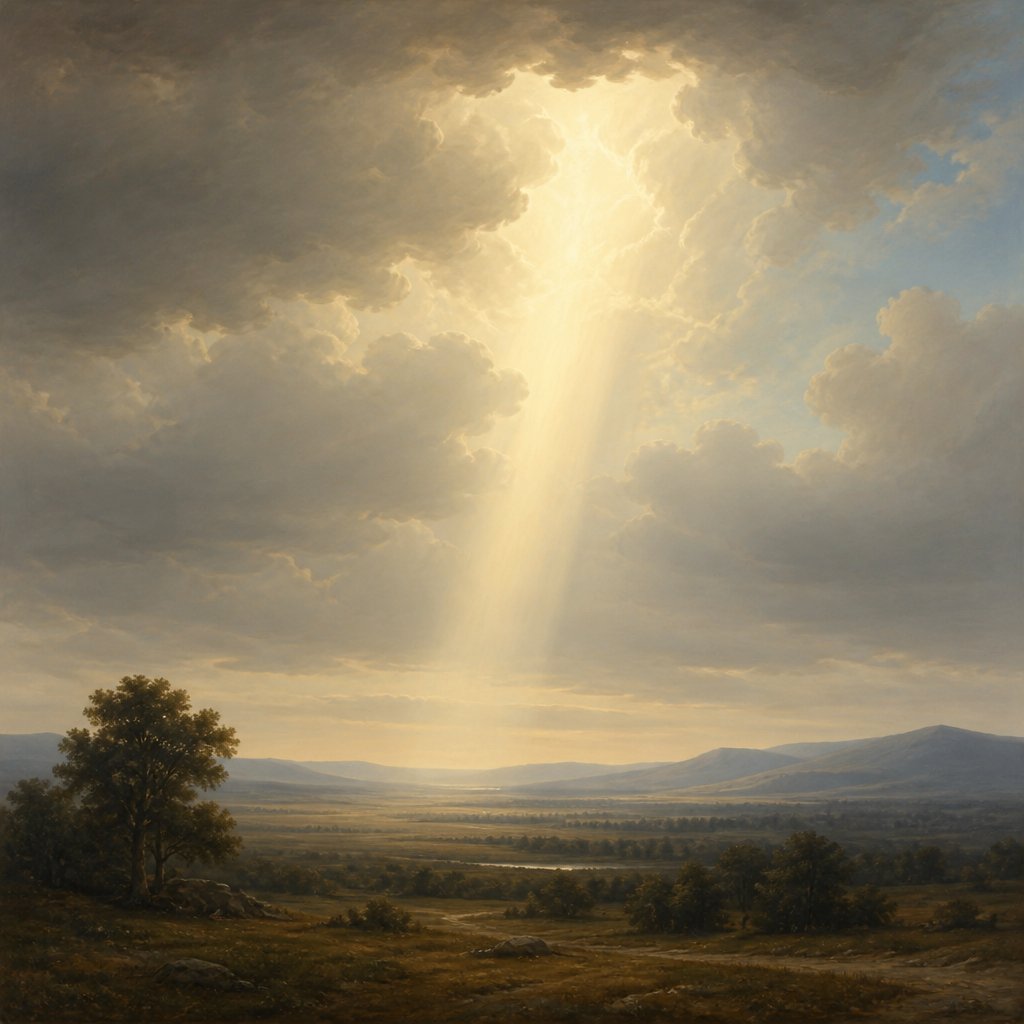
In Psalms 76:8 (KJV), the verse reads, "Thou didst cause judgment to be heard from heaven; the earth feared, and was still." This verse is a reflection on the power and authority of God, emphasizing his ability to bring about justice and order in the world. The imagery of "judgment...heard from heaven" conveys the idea that God's judgment is not of this world, but comes from a higher, divine source.
The verse begins by acknowledging God as the cause of judgment being heard from heaven. This establishes the foundation of the verse as a declaration of God's sovereignty and authority. The idea that judgment emanates from heaven suggests that it is not merely a human construct, but rather a divine decree that carries significant weight and authority. This aligns with the broader biblical narrative of God's role as the ultimate judge of the world, as seen in passages such as Revelation 20:12 which speaks of the "books" being opened and judgment being pronounced from the throne.
The second part of the verse states that "the earth feared, and was still." This language draws upon the imagery of the natural world responding to God's judgment with awe and reverence. The concept of "the earth" personified as having emotions such as fear adds a layer of depth to the verse, highlighting the universal impact of God's judgment. The earth "being still" suggests a sense of calm and order that follows the fear, indicating a state of tranquil obedience in the face of God's authority.
The themes present in this verse include divine judgment, the sovereignty of God, and the fear and reverence of creation towards the divine. The concept of divine judgment is a recurring theme throughout the Bible, emphasizing the righteousness and justice of God as the ultimate arbiter of right and wrong. The idea of God's sovereignty ties into this, portraying God as the ultimate authority whose judgments are final and just. Additionally, the response of the earth in fear and stillness reflects the theme of creation acknowledging and responding to the power and authority of its Creator.
In terms of context, Psalm 76 is a song of praise and thanksgiving for God's victory and deliverance. It is said to have been written by Asaph, who was one of the chief musicians during the reign of King David. The psalm celebrates God's power and protection, particularly in the context of a military victory. The verse in question, Psalm 76:8, is positioned within this broader context of victory and divine intervention, emphasizing God's role as the ultimate source of judgment and order.
Symbolically, the imagery of "judgment...heard from heaven" may also be interpreted as a metaphor for the transcendent nature of God's wisdom and justice. The idea that judgment emanates from heaven suggests a source of wisdom and righteousness that is above and beyond the limitations of human understanding. The response of the earth in fear and stillness can be seen as a symbol of the proper posture of humility and reverence before the divine. It serves as a reminder that, in the face of God's ultimate authority, all creation is called to acknowledge and submit to his righteousness and justice.
In conclusion, Psalm 76:8 (KJV) offers a profound reflection on the power and authority of God, emphasizing his ability to bring about justice and order in the world. Through vivid imagery and powerful symbolism, the verse conveys the themes of divine judgment, God's sovereignty, and the fear and reverence of creation towards the divine. Positioned within the context of a song of praise and thanksgiving for God's victory and deliverance, this verse serves as a poignant reminder of the transcendent nature of God's wisdom and justice, calling all creation to acknowledge and submit to his righteousness and authority.
Get our apps


Artwork for Psalms 76:8

Psalms 76:8 - "Thou didst cause judgment to be heard from heaven; the earth feared, and was still,"
"Thou didst cause judgment to be heard from heaven; the earth feared, and was still," - Psalms 76:8

"Thou art more glorious and excellent than the mountains of prey." - Psalms 76:4

Psalms 76:3 - "There brake he the arrows of the bow, the shield, and the sword, and the battle. Selah."

Psalms 76:1 - "In Judah is God known: his name is great in Israel."

Psalms 76:4 - "Thou art more glorious and excellent than the mountains of prey."

Psalms 76:2 - "In Salem also is his tabernacle, and his dwelling place in Zion."

Psalms 76:12 - "He shall cut off the spirit of princes: he is terrible to the kings of the earth."
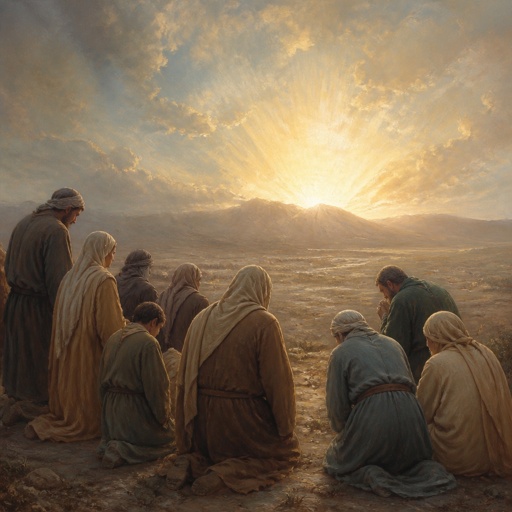
"When God arose to judgment, to save all the meek of the earth. Selah." - Psalms 76:9

Psalms 76:9 - "When God arose to judgment, to save all the meek of the earth. Selah."
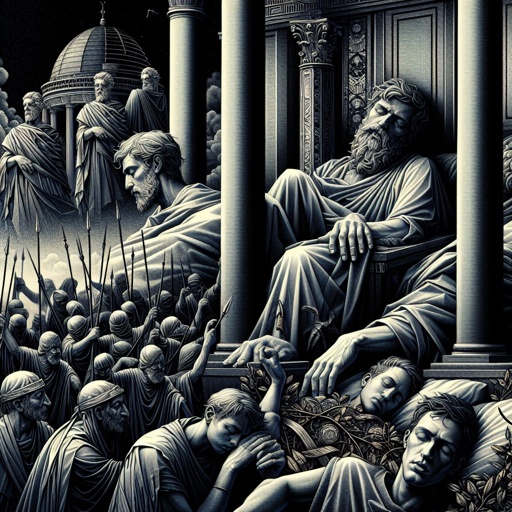
Psalms 76:5 - "The stouthearted are spoiled, they have slept their sleep: and none of the men of might have found their hands."

Psalms 76:10 - "Surely the wrath of man shall praise thee: the remainder of wrath shalt thou restrain."
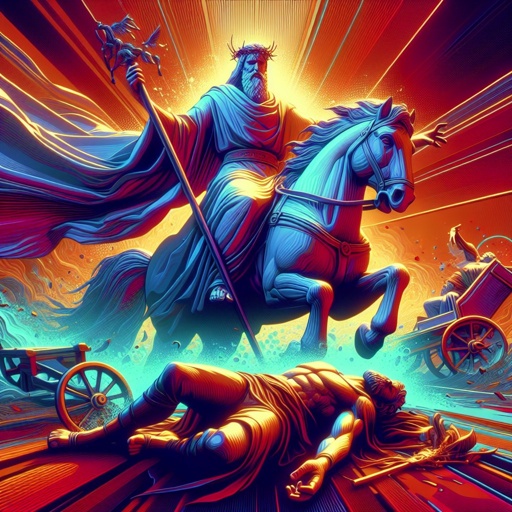
Psalms 76:6 - "At thy rebuke, O God of Jacob, both the chariot and horse are cast into a dead sleep."
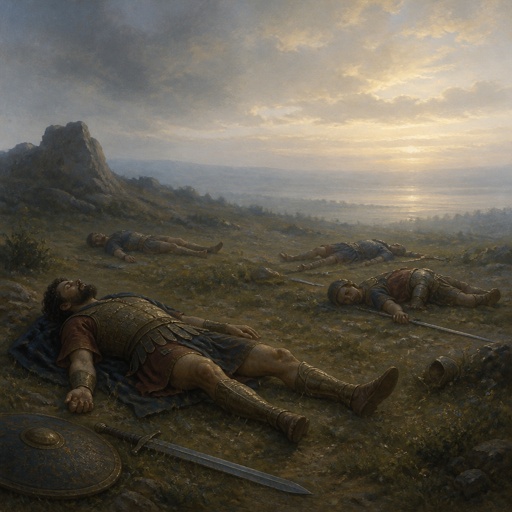
"The stouthearted are spoiled, they have slept their sleep: and none of the men of might have found their hands." - Psalms 76:5

Psalms 119:76 - "Let, I pray thee, thy merciful kindness be for my comfort, according to thy word unto thy servant."

Psalms 76:7 - "Thou, even thou, art to be feared: and who may stand in thy sight when once thou art angry?"
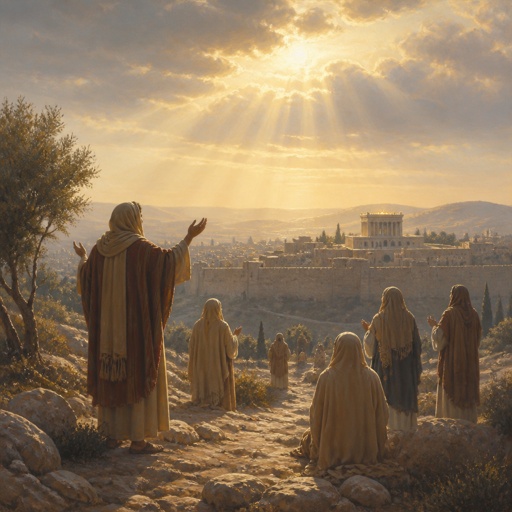
"In Judah is God known: his name is great in Israel." - Psalms 76:1
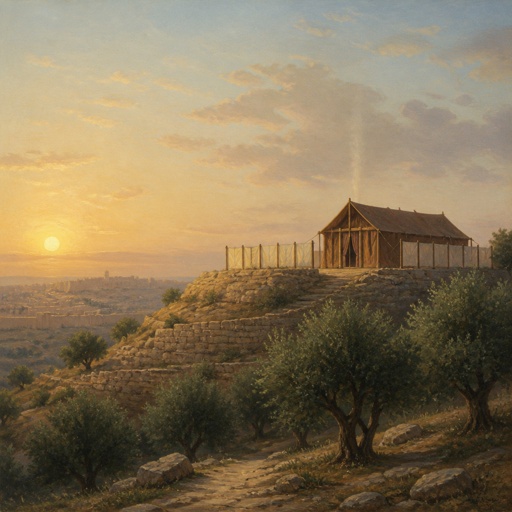
"In Salem also is his tabernacle, and his dwelling place in Zion." - Psalms 76:2
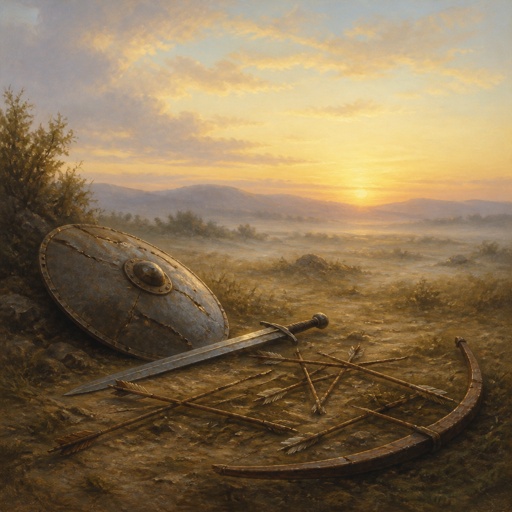
"There brake he the arrows of the bow, the shield, and the sword, and the battle. Selah." - Psalms 76:3
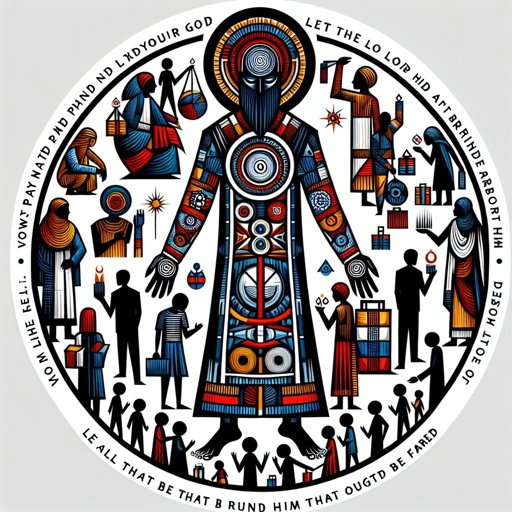
Psalms 76:11 - "Vow, and pay unto the LORD your God: let all that be round about him bring presents unto him that ought to be feared."
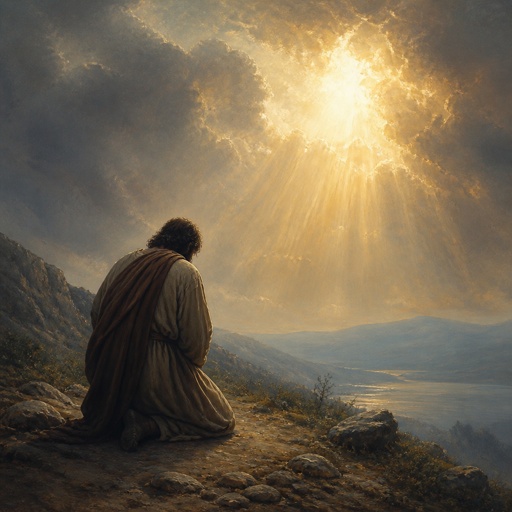
"Thou, even thou, art to be feared: and who may stand in thy sight when once thou art angry?" - Psalms 76:7

"Let, I pray thee, thy merciful kindness be for my comfort, according to thy word unto thy servant." - Psalms 119:76
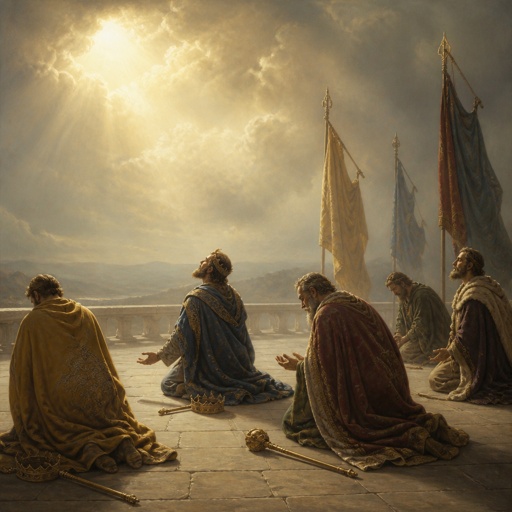
"He shall cut off the spirit of princes: he is terrible to the kings of the earth." - Psalms 76:12
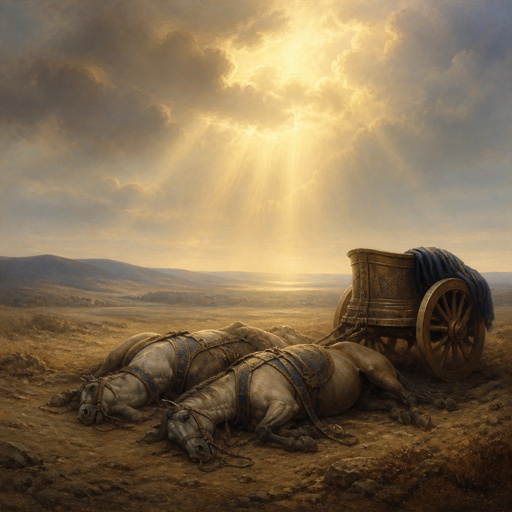
"At thy rebuke, O God of Jacob, both the chariot and horse are cast into a dead sleep." - Psalms 76:6
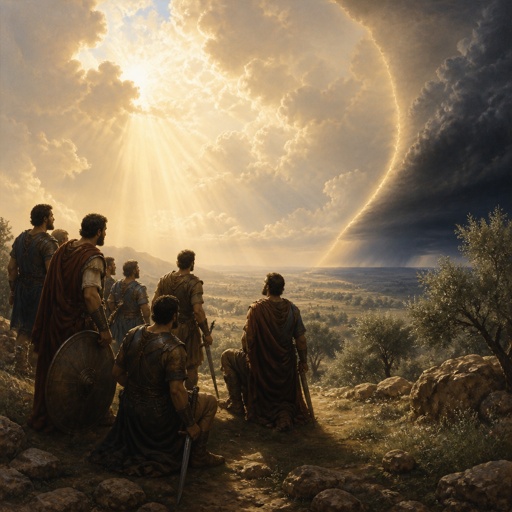
"Surely the wrath of man shall praise thee: the remainder of wrath shalt thou restrain." - Psalms 76:10
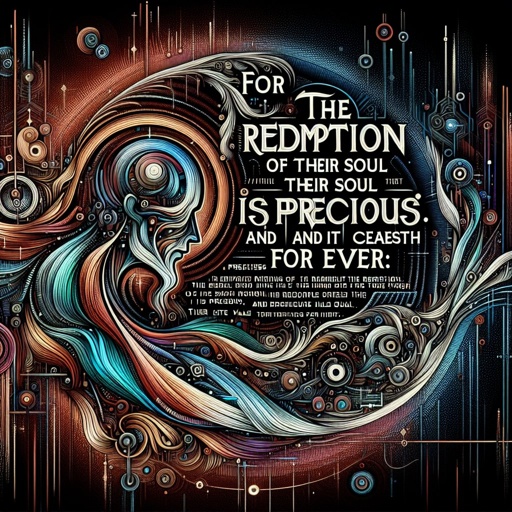
Psalms 49:8 - "(For the redemption of their soul is precious, and it ceaseth for ever:)"
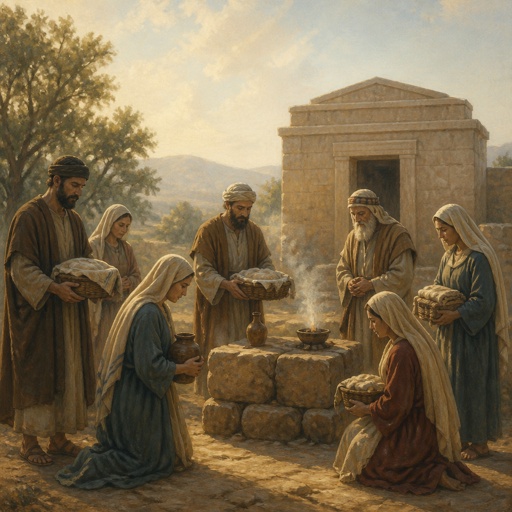
"Vow, and pay unto the LORD your God: let all that be round about him bring presents unto him that ought to be feared." - Psalms 76:11

"All sheep and oxen, yea, and the beasts of the field;" - Psalms 8:7

"To bind their kings with chains, and their nobles with fetters of iron;" - Psalms 149:8

"But thou, LORD, art most high for evermore." - Psalms 92:8