What does Psalms 77:1 mean?
“I cried unto God with my voice, even unto God with my voice; and he gave ear unto me.” — Psalms 77:1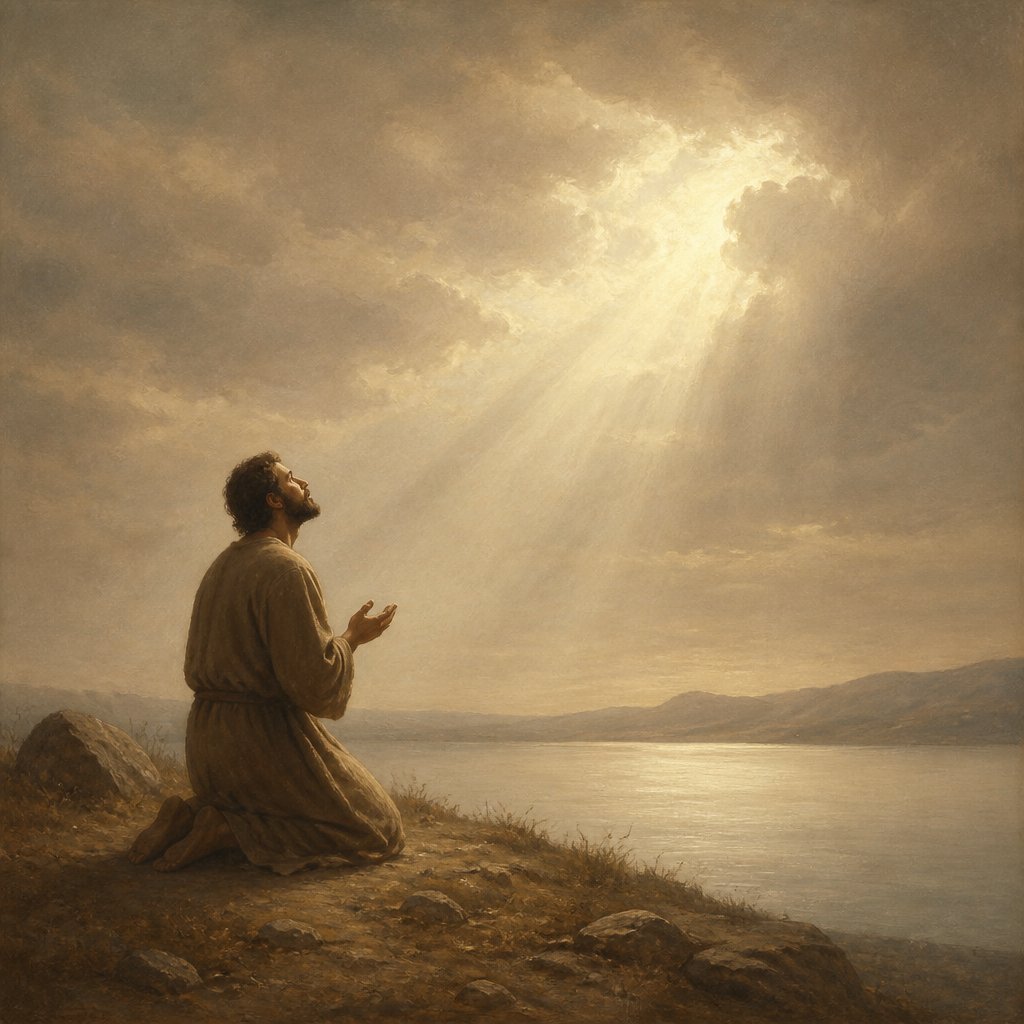
Psalms 77:1 in the King James Version reads: "I cried unto God with my voice, even unto God with my voice; and he gave ear unto me."
This verse comes from the Book of Psalms, which is a collection of poems and songs attributed to King David and others. The Book of Psalms is often seen as a book of prayers and praises that express a wide range of emotions and experiences, including joy, sorrow, and hope.
In Psalms 77, the psalmist is going through a difficult time. The opening verses express the psalmist's distress and their sense that God has abandoned them. The psalmist feels as though God has forgotten to be gracious and merciful, and they are experiencing deep anguish and distress.
In verse 1, the psalmist describes crying out to God with their voice. This repetition of "even unto God with my voice" emphasizes the urgency and sincerity of the psalmist's prayer. The psalmist is not simply crying out in their heart, but they are lifting up their voice to God in a desperate plea for help.
The psalmist then declares that "he gave ear unto me", indicating that God heard their cry and responded to their prayer. This is a moment of reassurance and comfort for the psalmist, as they recognize that God has not abandoned them, but has indeed listened to their plea.
The theme of this verse, and the entire psalm, is one of trust and confidence in God's faithfulness. The psalmist is honest about their struggles and despair, but they ultimately turn to God in prayer and find comfort in the belief that God hears and responds to their cries.
The context of this verse is important to understanding its significance. The psalmist is not just offering a generic prayer, but is praying in the midst of deep distress and anguish. This makes their declaration that God listened to their prayer all the more powerful. It serves as a reminder to the reader that even in the midst of suffering and uncertainty, God is present and willing to listen to our prayers.
As for symbolism, the act of crying out to God with one's voice can be seen as a symbol of vulnerability and dependence. The psalmist is not trying to hide their emotions or their struggles from God, but is laying it all bare in their prayer. This can serve as a symbol of the honesty and openness that is necessary in our relationship with God.
Overall, this verse from Psalms 77 is a powerful testament to the psalmist's faith and trust in God, even in the midst of deep distress. It serves as a reminder to believers that we can always turn to God in times of trouble, knowing that he hears our prayers and responds to our cries. The verse also invites us to be vulnerable and honest in our prayers, knowing that God is always ready to listen and to offer comfort and reassurance.
Get our apps


Artwork for Psalms 77:1

Psalms 77:1 - "I cried unto God with my voice, even unto God with my voice; and he gave ear unto me."
"I cried unto God with my voice, even unto God with my voice; and he gave ear unto me." - Psalms 77:1

"I have considered the days of old, the years of ancient times." - Psalms 77:5

Psalms 77:7 - "Will the Lord cast off for ever? and will he be favourable no more?"

"Will the Lord cast off for ever? and will he be favourable no more?" - Psalms 77:7

Psalms 77:5 - "I have considered the days of old, the years of ancient times."

Psalms 77:8 - "Is his mercy clean gone for ever? doth his promise fail for evermore?"

Psalms 77:3 - "I remembered God, and was troubled: I complained, and my spirit was overwhelmed. Selah."

Psalms 77:18 - "The voice of thy thunder was in the heaven: the lightnings lightened the world: the earth trembled and shook."

Psalms 77:11 - "I will remember the works of the LORD: surely I will remember thy wonders of old."

Psalms 77:20 - "Thou leddest thy people like a flock by the hand of Moses and Aaron."

Psalms 77:12 - "I will meditate also of all thy work, and talk of thy doings."

Psalms 77:15 - "Thou hast with thine arm redeemed thy people, the sons of Jacob and Joseph. Selah."

Psalms 77:13 - "Thy way, O God, is in the sanctuary: who is so great a God as our God?"

"I will meditate also of all thy work, and talk of thy doings." - Psalms 77:12

Psalms 77:19 - "Thy way is in the sea, and thy path in the great waters, and thy footsteps are not known."

"Thou hast with thine arm redeemed thy people, the sons of Jacob and Joseph. Selah." - Psalms 77:15

Psalms 77:14 - "Thou art the God that doest wonders: thou hast declared thy strength among the people."

"Thy way, O God, is in the sanctuary: who is so great a God as our God?" - Psalms 77:13

Psalms 77:10 - "And I said, This is my infirmity: but I will remember the years of the right hand of the most High."

Psalms 77:4 - "Thou holdest mine eyes waking: I am so troubled that I cannot speak."

Psalms 119:77 - "Let thy tender mercies come unto me, that I may live: for thy law is my delight."

Psalms 77:9 - "Hath God forgotten to be gracious? hath he in anger shut up his tender mercies? Selah."

Psalms 77:17 - "The clouds poured out water: the skies sent out a sound: thine arrows also went abroad."

Psalms 77:2 - "In the day of my trouble I sought the Lord: my sore ran in the night, and ceased not: my soul refused to be comforted."

"Thou art the God that doest wonders: thou hast declared thy strength among the people." - Psalms 77:14

Psalms 77:16 - "The waters saw thee, O God, the waters saw thee; they were afraid: the depths also were troubled."

Psalms 77:6 - "I call to remembrance my song in the night: I commune with mine own heart: and my spirit made diligent search."

"The clouds poured out water: the skies sent out a sound: thine arrows also went abroad." - Psalms 77:17

"Thou leddest thy people like a flock by the hand of Moses and Aaron." - Psalms 77:20