What does Psalms 78:23 mean?
"Though he had commanded the clouds from above, and opened the doors of heaven," - Psalms 78:23
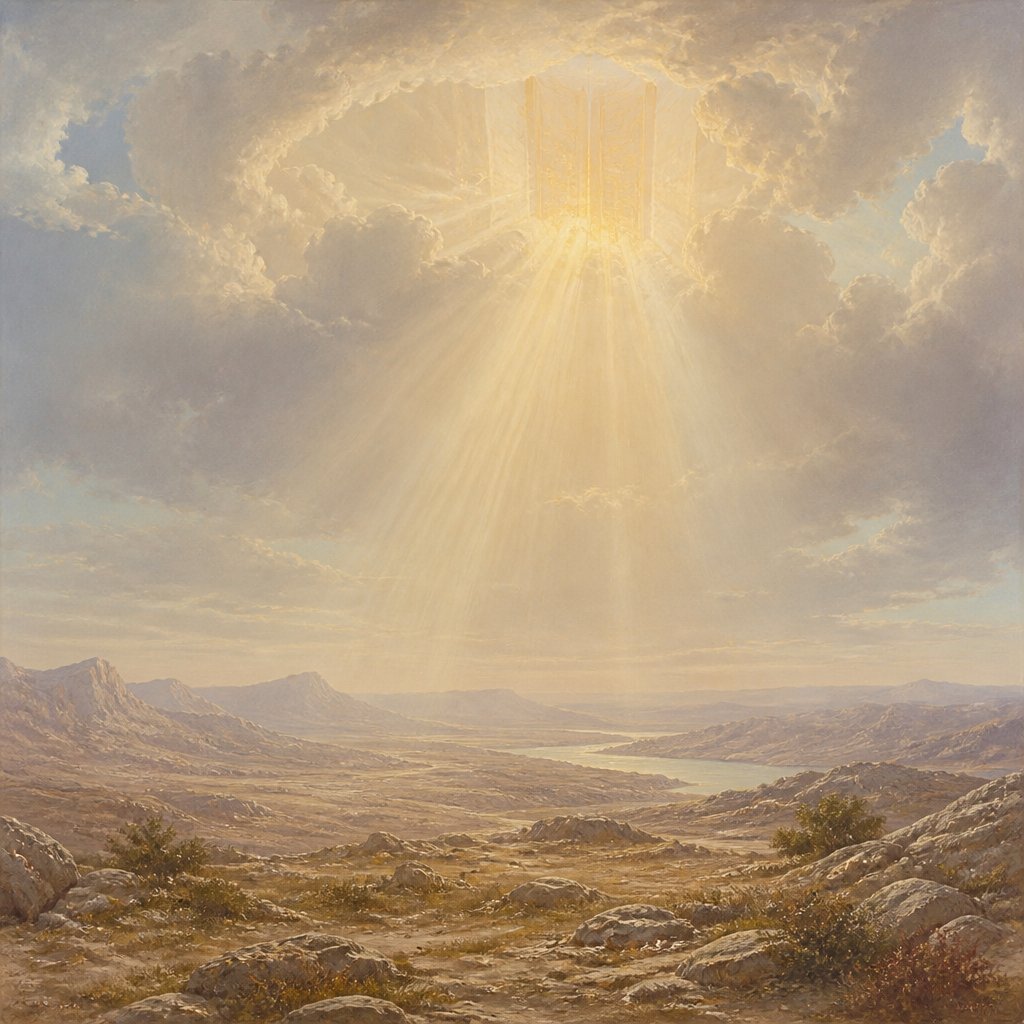
Psalms 78:23 in the King James Version of the Bible reads, "Though he had commanded the clouds from above, and opened the doors of heaven." This verse is from the book of Psalms, which is a collection of poetic songs and prayers that express a wide range of emotions and experiences. The book is attributed to King David and other authors, and it is often used for worship and reflection in both Jewish and Christian traditions.
In the context of this particular verse, the psalmist is recounting the story of the Israelites' journey through the wilderness and their relationship with God. The verse describes a miraculous event where God commanded the clouds to provide for the people by opening the doors of heaven. This imagery is rich with symbolism and has several layers of meaning that can be explored.
One of the central themes of this verse is God's provision and faithfulness. Throughout the Bible, God is depicted as a loving and caring provider who meets the needs of his people. In this verse, the image of God commanding the clouds and opening the doors of heaven conveys the idea of divine intervention and abundance. It demonstrates God's ability to control the elements and to provide for his people in extraordinary ways. This theme of God's provision is a recurring motif in the book of Psalms and in the broader biblical narrative.
Another important theme in this verse is the idea of God's sovereignty and power over the natural world. By commanding the clouds and opening the doors of heaven, God demonstrates his authority over creation. This imagery reflects the biblical view of God as the supreme ruler and sustainer of the universe. It also emphasizes the idea of God's transcendence and majesty, which is a central aspect of the Judeo-Christian understanding of God.
The verse also carries a symbolic meaning that goes beyond the literal interpretation of the event it describes. In the Christian tradition, the image of the doors of heaven being opened has a profound spiritual significance. It is often associated with the idea of divine revelation and the communication between the earthly and the heavenly realms. The opening of the doors of heaven can be seen as a symbol of God's communication with his people and his willingness to reveal himself to them.
Furthermore, this verse can be understood as a metaphor for the abundance of God's grace and blessings. The opening of the doors of heaven represents the outpouring of God's mercy and goodness upon his people. It conveys the idea of God's willingness to provide for his people and to shower them with his blessings. This interpretation is consistent with the broader biblical message of God's love and compassion for humanity.
Overall, Psalms 78:23 is a rich and multi-layered verse that conveys profound theological truths about God's provision, power, and grace. It speaks to the timeless themes of divine sovereignty, abundance, and communication between God and his people. As such, it continues to be a source of inspiration and reflection for believers in both Jewish and Christian traditions.
Have questions about Psalms 78:23?
Dive deeper into this scripture with Bible Chat — an AI-powered tool for exploring God's Word through conversation. Ask questions, get context, and grow in your understanding of the Bible.
Get Our Apps


Psalms 78:23 Artwork

Psalms 78:23 - "Though he had commanded the clouds from above, and opened the doors of heaven,"
"Though he had commanded the clouds from above, and opened the doors of heaven," - Psalms 78:23

Psalms 78:8 - "And might not be as their fathers, a stubborn and rebellious generation; a generation that set not their heart aright, and whose spirit was not stedfast with God."

"And they remembered that God was their rock, and the high God their redeemer." - Psalms 78:35

"They kept not the covenant of God, and refused to walk in his law;" - Psalms 78:10

"Therefore their days did he consume in vanity, and their years in trouble." - Psalms 78:33

Psalms 78:18 - "And they tempted God in their heart by asking meat for their lust."

Psalms 78:35 - "And they remembered that God was their rock, and the high God their redeemer."

Psalms 78:47 - "He destroyed their vines with hail, and their sycomore trees with frost."

Psalms 78:10 - "They kept not the covenant of God, and refused to walk in his law;"

Psalms 78:64 - "Their priests fell by the sword; and their widows made no lamentation."

Psalms 78:22 - "Because they believed not in God, and trusted not in his salvation:"

"They were not estranged from their lust. But while their meat was yet in their mouths," - Psalms 78:30

"He gave up their cattle also to the hail, and their flocks to hot thunderbolts." - Psalms 78:48

Psalms 78:61 - "And delivered his strength into captivity, and his glory into the enemy's hand."

Psalms 78:67 - "Moreover he refused the tabernacle of Joseph, and chose not the tribe of Ephraim:"

"When God heard this, he was wroth, and greatly abhorred Israel:" - Psalms 78:59

"And they sinned yet more against him by provoking the most High in the wilderness." - Psalms 78:17

Psalms 78:44 - "And had turned their rivers into blood; and their floods, that they could not drink."

Psalms 78:32 - "For all this they sinned still, and believed not for his wondrous works."

Psalms 78:41 - "Yea, they turned back and tempted God, and limited the Holy One of Israel."

Psalms 78:17 - "And they sinned yet more against him by provoking the most High in the wilderness."

Psalms 78:36 - "Nevertheless they did flatter him with their mouth, and they lied unto him with their tongues."

Psalms 78:28 - "And he let it fall in the midst of their camp, round about their habitations."

Psalms 78:59 - "When God heard this, he was wroth, and greatly abhorred Israel:"

Psalms 78:63 - "The fire consumed their young men; and their maidens were not given to marriage."

Psalms 78:51 - "And smote all the firstborn in Egypt; the chief of their strength in the tabernacles of Ham:"

Psalms 78:37 - "For their heart was not right with him, neither were they stedfast in his covenant."

Psalms 78:68 - "But chose the tribe of Judah, the mount Zion which he loved."

Psalms 78:33 - "Therefore their days did he consume in vanity, and their years in trouble."