What does Psalms 78:66 mean?
“And he smote his enemies in the hinder parts: he put them to a perpetual reproach.” — Psalms 78:66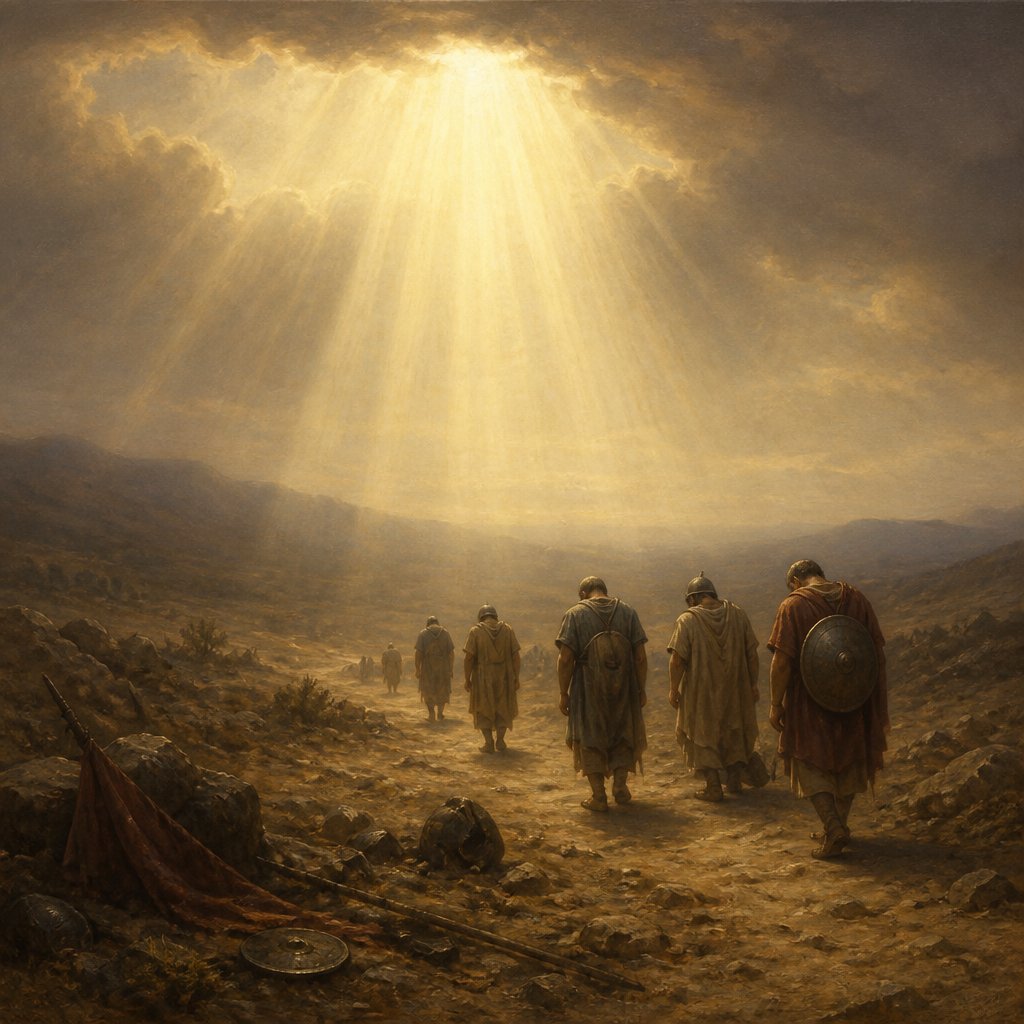
Psalms 78:66 (KJV) states, "And he smote his enemies in the hinder parts: he put them to a perpetual reproach." This verse is part of an ancient Hebrew poem, attributed to Asaph, which serves as a historical account and a lesson in remembering God's faithfulness to Israel despite their disobedience.
The preceding verses in Psalm 78 recount how God, in His wrath, "smote his enemies" by turning the rivers into blood, causing flies and frogs to come upon the land, and sending "fiery indignation" upon them (Psalms 78:44-49). This displays God's ultimate power and authority over His enemies and serves as a manifestation of His judgment upon those who oppose Him.
The phrase "in the hinder parts" can be interpreted as a reference to the enemies being struck in their backs or rear, indicating their vulnerability and inability to defend themselves. This imagery emphasizes the complete and thorough defeat of God's enemies, leaving them humiliated and powerless in the face of His wrath.
The following phrase, "he put them to a perpetual reproach," speaks to the lasting impact of God's judgment on His enemies. The use of the word "perpetual" signifies that the reproach and shame brought upon these enemies will endure indefinitely, serving as a warning to others who would oppose God.
In terms of context, this verse is part of a larger song that recounts the historical faithfulness and mercy of God to the people of Israel, despite their continuous rebellion and disobedience. The purpose of this psalm is to remind the Israelites of God's faithfulness, as well as to highlight the consequences of disobedience. It serves as a lesson to future generations about the importance of obedience and remembering the works of God in the past.
The themes present in this verse include divine judgment, the power and authority of God, and the consequences of disobedience. The imagery of God smiting His enemies serves as a reminder of His sovereignty and the severity of His judgment. It also highlights the inevitability of the consequences for those who oppose God and rebel against His will.
Symbolically, this verse represents the eternal nature of God's judgment and the enduring shame of those who oppose Him. It serves as a warning to all who would challenge the authority of God and emphasizes the inevitability of facing the consequences of disobedience.
Overall, Psalms 78:66 (KJV) serves as a reminder of the enduring power and authority of God, the consequences of disobedience, and the importance of remembering His faithfulness throughout history. It is a call to obedience and a warning of the lasting shame that comes from opposing God. This verse continues to resonate with believers as a reminder of the consequences of rebellion and the unwavering judgment of God.
Get our apps


Artwork for Psalms 78:66

Psalms 78:66 - "And he smote his enemies in the hinder parts: he put them to a perpetual reproach."
"And he smote his enemies in the hinder parts: he put them to a perpetual reproach." - Psalms 78:66

Psalms 78:8 - "And might not be as their fathers, a stubborn and rebellious generation; a generation that set not their heart aright, and whose spirit was not stedfast with God."

"And they remembered that God was their rock, and the high God their redeemer." - Psalms 78:35

"They kept not the covenant of God, and refused to walk in his law;" - Psalms 78:10

"Therefore their days did he consume in vanity, and their years in trouble." - Psalms 78:33

Psalms 78:18 - "And they tempted God in their heart by asking meat for their lust."

Psalms 78:35 - "And they remembered that God was their rock, and the high God their redeemer."

Psalms 78:47 - "He destroyed their vines with hail, and their sycomore trees with frost."

Psalms 78:10 - "They kept not the covenant of God, and refused to walk in his law;"

Psalms 78:64 - "Their priests fell by the sword; and their widows made no lamentation."

Psalms 78:22 - "Because they believed not in God, and trusted not in his salvation:"

"He gave up their cattle also to the hail, and their flocks to hot thunderbolts." - Psalms 78:48

"They were not estranged from their lust. But while their meat was yet in their mouths," - Psalms 78:30

Psalms 78:61 - "And delivered his strength into captivity, and his glory into the enemy's hand."

Psalms 78:67 - "Moreover he refused the tabernacle of Joseph, and chose not the tribe of Ephraim:"

"And they sinned yet more against him by provoking the most High in the wilderness." - Psalms 78:17

"When God heard this, he was wroth, and greatly abhorred Israel:" - Psalms 78:59

Psalms 78:44 - "And had turned their rivers into blood; and their floods, that they could not drink."

Psalms 78:32 - "For all this they sinned still, and believed not for his wondrous works."

Psalms 78:41 - "Yea, they turned back and tempted God, and limited the Holy One of Israel."

Psalms 78:17 - "And they sinned yet more against him by provoking the most High in the wilderness."

Psalms 78:36 - "Nevertheless they did flatter him with their mouth, and they lied unto him with their tongues."

Psalms 66:1 - "Make a joyful noise unto God, all ye lands:"

Psalms 66:18 - "If I regard iniquity in my heart, the Lord will not hear me:"

Psalms 78:28 - "And he let it fall in the midst of their camp, round about their habitations."

Psalms 78:59 - "When God heard this, he was wroth, and greatly abhorred Israel:"

Psalms 78:63 - "The fire consumed their young men; and their maidens were not given to marriage."

Psalms 78:51 - "And smote all the firstborn in Egypt; the chief of their strength in the tabernacles of Ham:"

Psalms 78:37 - "For their heart was not right with him, neither were they stedfast in his covenant."