What does Psalms 7:2 mean?
"Lest he tear my soul like a lion, rending it in pieces, while there is none to deliver." - Psalms 7:2
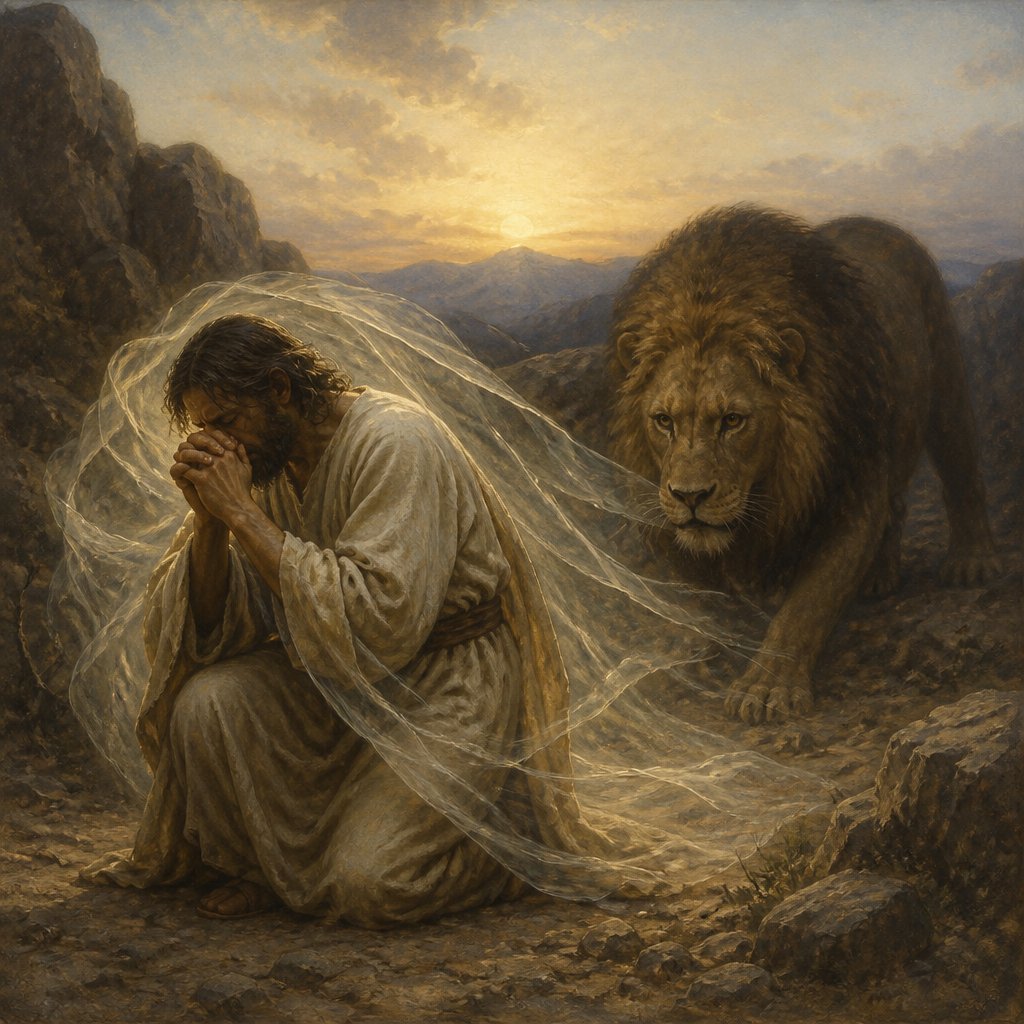
"Psalms 7:2 (KJV) says, 'Lest he tear my soul like a lion, rending it in pieces, while there is none to deliver.' This verse captures the anguish and fear of the psalmist, who is seeking divine protection from his enemies. The imagery of being torn apart by a lion highlights the intensity of the danger and the urgent need for deliverance.
The Book of Psalms is a collection of poetic songs and prayers attributed to King David and other authors. These psalms cover a wide range of human experiences, including praise, thanksgiving, lament, and supplication. Psalm 7 is classified as a lament, focusing on the psalmist's cry for justice and deliverance from his enemies.
In this particular verse, the psalmist uses vivid imagery to depict the threat posed by his adversaries. The comparison to a lion tearing the soul in pieces conveys a sense of helplessness and imminent destruction. The psalmist is expressing a profound fear of being overwhelmed and destroyed by his enemies if he is not delivered from them.
The theme of seeking deliverance from enemies is a recurring motif in the Book of Psalms. Many of the psalms express the psalmists' pleas for God's intervention and protection from those who seek to harm them. In Psalm 7, the psalmist appeals to God as the ultimate source of security and justice in the face of persecution.
The context of Psalm 7 provides further insight into the psalmist's plea for deliverance. The superscription of the psalm attributes it to David, who is fleeing from Saul, his enemy. David's life is in jeopardy, and he appeals to God for protection and vindication. The psalmist's anguish and desperation are palpable as he seeks God's intervention in the face of overwhelming odds.
The symbolism of the lion in this verse serves as a powerful metaphor for the psalmist's enemies. Throughout the Bible, the lion is often used to represent a formidable and fearsome adversary. In this context, the lion symbolizes the vicious and relentless nature of the psalmist's enemies, who threaten to tear him apart. The imagery conveys the psalmist's sense of vulnerability and the dire need for divine intervention.
Additionally, the imagery of the lion tearing the soul in pieces carries spiritual significance. It represents the existential threat to the psalmist's well-being, both physically and spiritually. The psalmist's soul is at risk of being destroyed by the malevolent intentions of his enemies, highlighting the profound impact of persecution on the innermost being.
In conclusion, Psalm 7:2 (KJV) conveys the psalmist's desperate plea for deliverance from his enemies. The vivid imagery of being torn apart by a lion underscores the intensity of the danger and the urgency of the psalmist's need for divine intervention. The verse exemplifies the psalmist's trust in God as the ultimate source of protection and justice in the face of adversity. It serves as a poignant reminder of the profound human longing for safety and security in the midst of turmoil and persecution."
Have questions about Psalms 7:2?
Dive deeper into this scripture with Bible Chat — an AI-powered tool for exploring God's Word through conversation. Ask questions, get context, and grow in your understanding of the Bible.
Get Our Apps


Psalms 7:2 Artwork

Psalms 7:2 - "Lest he tear my soul like a lion, rending it in pieces, while there is none to deliver."
"Lest he tear my soul like a lion, rending it in pieces, while there is none to deliver." - Psalms 7:2
Psalms 20 7

Psalms 81:2 - "Take a psalm, and bring hither the timbrel, the pleasant harp with the psaltery."
psalm 80:1-7

Psalms 98:7 - "Let the sea roar, and the fulness thereof; the world, and they that dwell therein."

"All sheep and oxen, yea, and the beasts of the field;" - Psalms 8:7

Psalms 12:7 - "Thou shalt keep them, O LORD, thou shalt preserve them from this generation for ever."
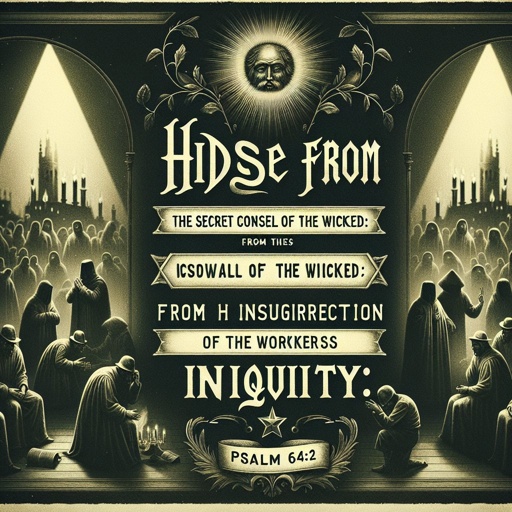
Psalms 64:2 - "Hide me from the secret counsel of the wicked; from the insurrection of the workers of iniquity:"
Psalms 115:2 - "Wherefore should the heathen say, Where is now their God?"

"Take a psalm, and bring hither the timbrel, the pleasant harp with the psaltery." - Psalms 81:2

Psalms 2:7 - "I will declare the decree: the LORD hath said unto me, Thou art my Son; this day have I begotten thee."

"Gebal, and Ammon, and Amalek; the Philistines with the inhabitants of Tyre;" - Psalms 83:7

"So shall the congregation of the people compass thee about: for their sakes therefore return thou on high." - Psalms 7:7
"I will declare the decree: the LORD hath said unto me, Thou art my Son; this day have I begotten thee." - Psalms 2:7

Psalms 88:7 - "Thy wrath lieth hard upon me, and thou hast afflicted me with all thy waves. Selah."

"We will go into his tabernacles: we will worship at his footstool." - Psalms 132:7

Psalms 22:7

Psalms 54:2 - "Hear my prayer, O God; give ear to the words of my mouth."

Psalms 37:7

Psalms 42:7 (ESV) 7 Deep calls to deep at the roar of your waterfalls; all your breakers and your waves have gone over me.

"Let the sea roar, and the fulness thereof; the world, and they that dwell therein." - Psalms 98:7

"Will the Lord cast off for ever? and will he be favourable no more?" - Psalms 77:7

Psalms 149:2 - "Let Israel rejoice in him that made him: let the children of Zion be joyful in their King."

Psalms 25:7 - "Remember not the sins of my youth, nor my transgressions: according to thy mercy remember thou me for thy goodness' sake, O LORD."

"Lo, then would I wander far off, and remain in the wilderness. Selah." - Psalms 55:7

"The LORD of hosts is with us; the God of Jacob is our refuge. Selah." - Psalms 46:7

"Praise the LORD from the earth, ye dragons, and all deeps:" - Psalms 148:7

"Let Israel hope in the LORD: for with the LORD there is mercy, and with him is plenteous redemption." - Psalms 130:7

"Then said I, Lo, I come: in the volume of the book it is written of me," - Psalms 40:7