What does Psalms 83:10 mean?
“Which perished at Endor: they became as dung for the earth.” — Psalms 83:10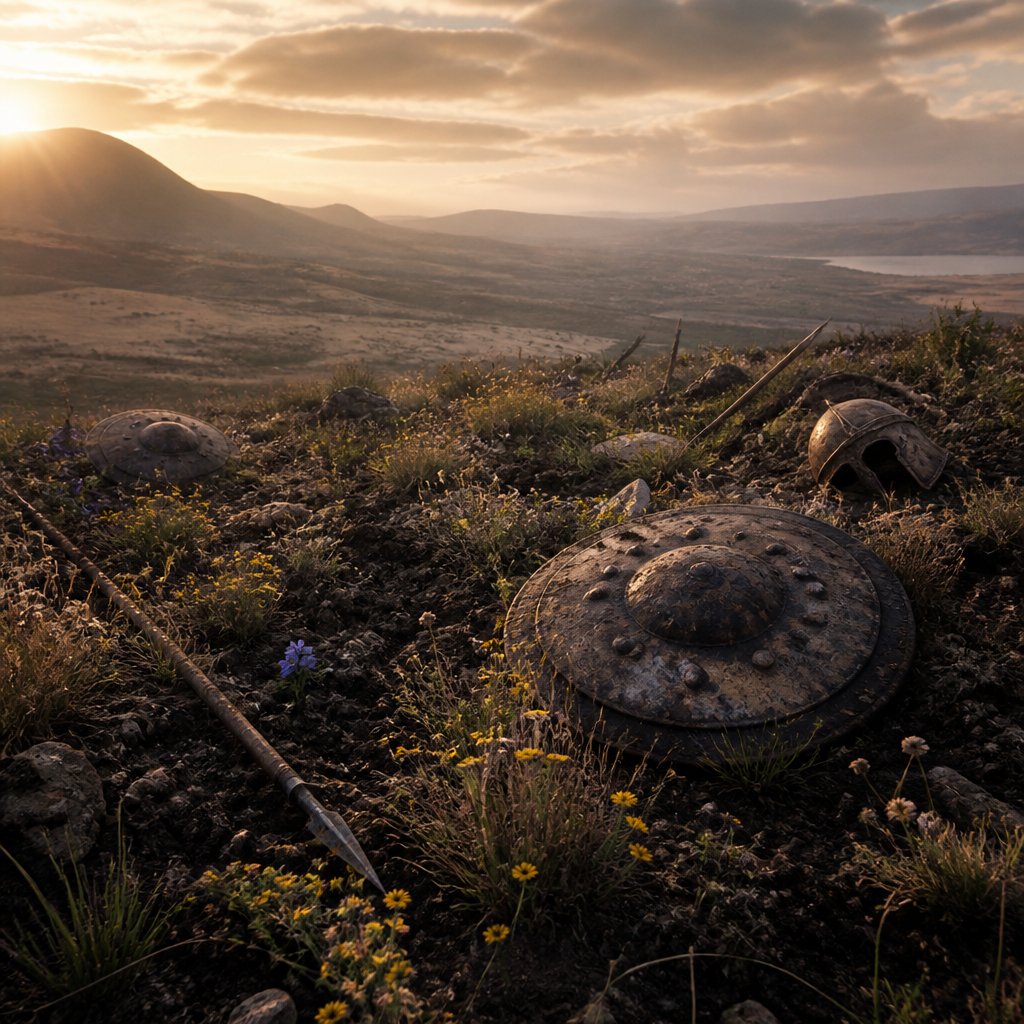
Psalm 83:10 from the King James Version of the Bible reads, "Which perished at Endor: they became as dung for the earth." This verse is part of a larger context of a prayer for God to defeat Israel's enemies.
The themes of this verse can be understood in the larger context of Psalm 83, which is a plea for God's intervention in the face of an enemy threat to destroy Israel. The psalmist lists the enemies of Israel and prays for their defeat, expressing the urgency of the situation and the need for God's divine intervention. The verse in question refers to a specific group of enemies who were defeated and perished at Endor, and their bodies became like dung on the earth.
The context of this verse is important to understanding its full meaning. Endor was a location in ancient Canaan, and it is most famously mentioned in the Bible as the place where King Saul sought out a medium to conjure the spirit of the deceased prophet Samuel (1 Samuel 28). This incident ended in disaster for Saul, as he was ultimately defeated in battle and died. Endor, therefore, was associated with defeat and death in Israelite history.
The use of the phrase "they became as dung for the earth" is a vivid and visceral image. It emphasizes the destruction and degradation of Israel's enemies, highlighting their ultimate defeat and humiliation. The use of such strong language serves to underscore the severity of the threat that Israel faced and the psalmist's urgent plea for God's action.
Symbolism plays an important role in the interpretation of this verse. The mention of Endor and the image of the enemies becoming like dung for the earth can be seen as symbolic of the ultimate futility of opposing God's people. The enemies, despite their strength and aggression, ultimately meet a humiliating end, reduced to nothing more than waste on the earth. This serves as a powerful reminder of the superiority of God and his ability to deliver his people from their adversaries.
Furthermore, the reference to Endor and the defeat of Israel's enemies carries historical and cultural significance. The mention of a specific location ties the events described in the psalm to a real historical context, grounding the prayer in the experience of Israel's struggles and victories. This adds depth and veracity to the psalmist's plea, as it reflects the very real threat that Israel faced from its enemies.
In contemporary interpretation, Psalm 83:10 can serve as a powerful reminder of the enduring nature of God's protection and deliverance. The vivid imagery of defeat and degradation highlights the ultimate powerlessness of those who oppose God's people. It also emphasizes the urgency of prayer and the need to turn to God in times of distress and conflict.
In conclusion, Psalm 83:10 is a verse that carries profound themes of divine intervention, victory over enemies, and the futility of opposing God. It is rooted in a specific historical context and uses powerful symbolism to convey the psalmist's urgent plea for God's action. As such, it continues to resonate with readers today, serving as a reminder of the timeless power of God's protection and deliverance.
Get our apps


Artwork for Psalms 83:10

Psalms 83:10 - "Which perished at En-dor: they became as dung for the earth."

"Which perished at En-dor: they became as dung for the earth." - Psalms 83:10

"Gebal, and Ammon, and Amalek; the Philistines with the inhabitants of Tyre;" - Psalms 83:7

"As the fire burneth a wood, and as the flame setteth the mountains on fire;" - Psalms 83:14

Psalms 83:7 - "Gebal, and Ammon, and Amalek; the Philistines with the inhabitants of Tyre;"

Psalms 83:6 - "The tabernacles of Edom, and the Ishmaelites; of Moab, and the Hagarenes;"

Psalms 83:5 - "For they have consulted together with one consent: they are confederate against thee:"

Psalms 83:14 - "As the fire burneth a wood, and as the flame setteth the mountains on fire;"

Psalms 83:8 - "Assur also is joined with them: they have holpen the children of Lot. Selah."

"Do unto them as unto the Midianites; as to Sisera, as to Jabin, at the brook of Kison:" - Psalms 83:9

Psalms 83:13 - "O my God, make them like a wheel; as the stubble before the wind."

Psalms 83:16 - "Fill their faces with shame; that they may seek thy name, O LORD."

Psalms 83:9 - "Do unto them as unto the Midianites; as to Sisera, as to Jabin, at the brook of Kison:"

Psalms 83:12 - "Who said, Let us take to ourselves the houses of God in possession."

Psalms 83:11 - "Make their nobles like Oreb, and like Zeeb: yea, all their princes as Zebah, and as Zalmunna:"

Psalms 83:17 - "Let them be confounded and troubled for ever; yea, let them be put to shame, and perish:"

"O my God, make them like a wheel; as the stubble before the wind." - Psalms 83:13

"The tabernacles of Edom, and the Ishmaelites; of Moab, and the Hagarenes;" - Psalms 83:6

Psalms 83:15 - "So persecute them with thy tempest, and make them afraid with thy storm."

Psalms 83:3 - "They have taken crafty counsel against thy people, and consulted against thy hidden ones."

Psalms 83:1 - "Keep not thou silence, O God: hold not thy peace, and be not still, O God."

"Keep not thou silence, O God: hold not thy peace, and be not still, O God." - Psalms 83:1

"Make their nobles like Oreb, and like Zeeb: yea, all their princes as Zebah, and as Zalmunna:" - Psalms 83:11

Psalms 119:83 - "For I am become like a bottle in the smoke; yet do I not forget thy statutes."

Psalms 83:18 - "That men may know that thou, whose name alone is JEHOVAH, art the most high over all the earth."

Psalms 83:4 - "They have said, Come, and let us cut them off from being a nation; that the name of Israel may be no more in remembrance."

"For they have consulted together with one consent: they are confederate against thee:" - Psalms 83:5

Psalms 83:2 - "For, lo, thine enemies make a tumult: and they that hate thee have lifted up the head." The image should not depict explicit or offensive content but be symbolic.

"Assur also is joined with them: they have holpen the children of Lot. Selah." - Psalms 83:8

"Who said, Let us take to ourselves the houses of God in possession." - Psalms 83:12