What does Psalms 83:12 mean?
“Who said, Let us take to ourselves the houses of God in possession.” — Psalms 83:12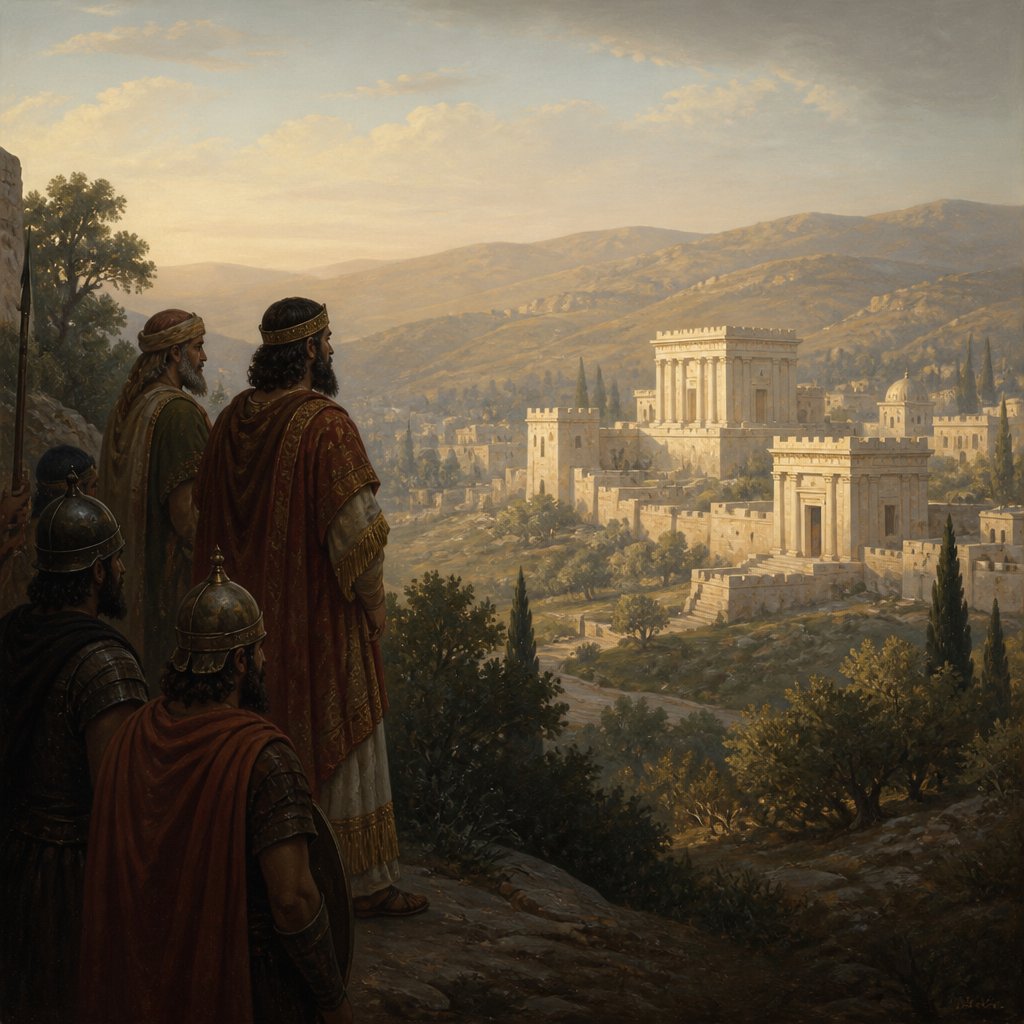
In Psalms 83:12, the King James Version (KJV) reads, "Who said, Let us take to ourselves the houses of God in possession." This verse is part of Psalm 83, which is a psalm of Asaph. Asaph was a Levite and a musician during the reign of King David, and he is credited with writing several of the Psalms. Psalm 83 is a prayer for God's intervention and justice against the enemies of Israel. The psalmist pleads with God to not remain silent and inactive in the face of their enemies' schemes and asks for God's intervention to bring about their downfall.
The theme of Psalm 83 is the plea for God's help and justice in the face of persecution and threat from enemies. The enemies mentioned in the psalm are the surrounding nations and peoples who are seeking to destroy Israel and take possession of God's land. The psalmist appeals to God to act in His sovereignty and power to defend His people and preserve His name and glory.
In verse 12, the verse highlights the audacity and arrogance of the enemies who seek to take possession of the houses of God. The "houses of God" in this context likely refers to the sacred places and dwellings of worship where God was honored and worshipped. The enemies' intention to take possession of these houses of God is an act of defiance and desecration, as it represents their desire to not only conquer the land but also to undermine the worship and reverence of the one true God.
The verse also serves as a reminder of the importance of sacred spaces and the reverence due to them. The houses of God are not mere buildings, but they represent the presence of God and the spiritual heritage of His people. The enemies' desire to take possession of these houses reflects their disdain for God and their disregard for the sanctity of His dwelling places.
Symbolically, the verse can also be interpreted as a representation of the ongoing spiritual battle between good and evil. The enemies' ambition to take possession of God's houses symbolizes the larger conflict between the forces of darkness and the kingdom of God. It serves as a reminder that the enemies of God are not only seeking to conquer physical territory but also to undermine and suppress the worship and reverence of God.
The verse also speaks to the broader theme of the sovereignty of God and His ultimate authority over all the earth. Despite the enemies' bold intentions, the psalmist recognizes that it is ultimately God who holds the power to thwart their plans and protect His people. The psalmist's prayer for God's intervention is a recognition of God's supremacy and a plea for His righteous judgment to be manifest in the face of injustice and persecution.
In conclusion, Psalm 83:12 is a poignant reminder of the ongoing spiritual battle and the audacity of the enemies who seek to defy God and His people. The verse underscores the significance of sacred spaces and the reverence due to them, while also emphasizing the overarching theme of God's sovereignty and His ultimate authority over all the earth. It serves as a powerful invocation for God's intervention and justice in the face of persecution and threat from enemies.
Get our apps


Artwork for Psalms 83:12

Psalms 83:12 - "Who said, Let us take to ourselves the houses of God in possession."

"Who said, Let us take to ourselves the houses of God in possession." - Psalms 83:12

"Gebal, and Ammon, and Amalek; the Philistines with the inhabitants of Tyre;" - Psalms 83:7

"As the fire burneth a wood, and as the flame setteth the mountains on fire;" - Psalms 83:14

Psalms 83:7 - "Gebal, and Ammon, and Amalek; the Philistines with the inhabitants of Tyre;"

Psalms 83:6 - "The tabernacles of Edom, and the Ishmaelites; of Moab, and the Hagarenes;"

Psalms 83:10 - "Which perished at En-dor: they became as dung for the earth."

Psalms 83:5 - "For they have consulted together with one consent: they are confederate against thee:"

Psalms 83:14 - "As the fire burneth a wood, and as the flame setteth the mountains on fire;"
Psalms 83:8 - "Assur also is joined with them: they have holpen the children of Lot. Selah."

"Do unto them as unto the Midianites; as to Sisera, as to Jabin, at the brook of Kison:" - Psalms 83:9

Psalms 83:13 - "O my God, make them like a wheel; as the stubble before the wind."
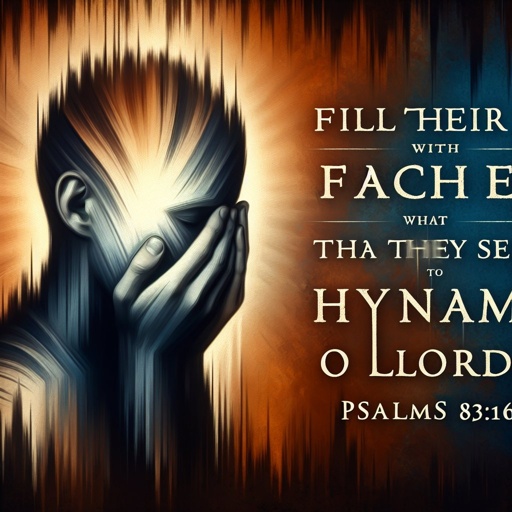
Psalms 83:16 - "Fill their faces with shame; that they may seek thy name, O LORD."

Psalms 83:9 - "Do unto them as unto the Midianites; as to Sisera, as to Jabin, at the brook of Kison:"

Psalms 83:11 - "Make their nobles like Oreb, and like Zeeb: yea, all their princes as Zebah, and as Zalmunna:"

Psalms 83:17 - "Let them be confounded and troubled for ever; yea, let them be put to shame, and perish:"

"O my God, make them like a wheel; as the stubble before the wind." - Psalms 83:13

"The tabernacles of Edom, and the Ishmaelites; of Moab, and the Hagarenes;" - Psalms 83:6

Psalms 83:15 - "So persecute them with thy tempest, and make them afraid with thy storm."

Psalms 83:3 - "They have taken crafty counsel against thy people, and consulted against thy hidden ones."

Psalms 83:1 - "Keep not thou silence, O God: hold not thy peace, and be not still, O God."

"Make their nobles like Oreb, and like Zeeb: yea, all their princes as Zebah, and as Zalmunna:" - Psalms 83:11

"Keep not thou silence, O God: hold not thy peace, and be not still, O God." - Psalms 83:1

Psalms 119:83 - "For I am become like a bottle in the smoke; yet do I not forget thy statutes."

Psalms 83:18 - "That men may know that thou, whose name alone is JEHOVAH, art the most high over all the earth."

"Which perished at En-dor: they became as dung for the earth." - Psalms 83:10

Psalms 83:4 - "They have said, Come, and let us cut them off from being a nation; that the name of Israel may be no more in remembrance."

"For they have consulted together with one consent: they are confederate against thee:" - Psalms 83:5

Psalms 83:2 - "For, lo, thine enemies make a tumult: and they that hate thee have lifted up the head." The image should not depict explicit or offensive content but be symbolic.

"Assur also is joined with them: they have holpen the children of Lot. Selah." - Psalms 83:8