What does Psalms 83:16 mean?
“Fill their faces with shame; that they may seek thy name, O LORD.” — Psalms 83:16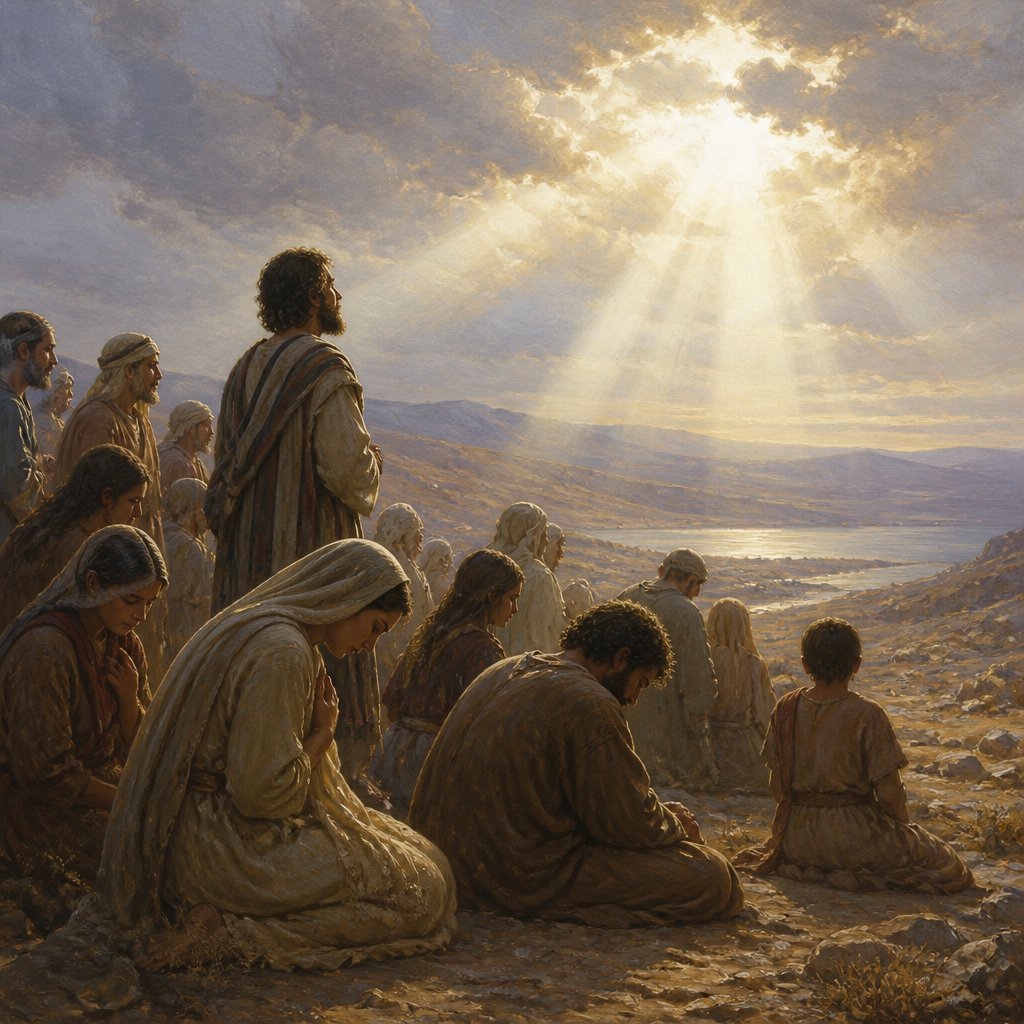
Psalms 83:16 (KJV) states: "Fill their faces with shame; that they may seek thy name, O Lord."
This verse is part of a larger psalm, which is a powerful prayer and cry for help to God. The psalmist is asking God to arise and take action against the enemies of Israel. The verse is a plea for God to shame the enemies so that they may come to recognize and seek the name of the Lord.
The themes in this verse are intertwined with the broader themes of the entire psalm, which include the pursuit of justice, the call for divine intervention, and the recognition of God's sovereignty. The language used in this verse is confrontational, as the psalmist is expressing a desire for the enemies to be put to shame. This reflects the deep sense of frustration and anger that the psalmist feels towards those who are opposing Israel.
The context of this verse is important for understanding its meaning. The psalmist is likely writing at a time when the nation of Israel is facing a significant threat from its enemies. The psalmist is calling upon God to intervene and bring about a resolution to the situation. The language of shame and seeking God's name reflects the psalmist's belief in the power of God to bring about transformation and change in the hearts of the enemies.
The symbolism in this verse is significant. The idea of filling their faces with shame is a powerful image of humiliation and defeat. In the ancient Near Eastern culture, the face was seen as a reflection of one's honor and reputation. To be filled with shame meant to be publicly exposed and disgraced. The psalmist is asking for the enemies to be brought low, so that they may come to recognize the authority and power of God. This reflects the belief that God's ultimate purpose is to bring about a recognition of His sovereignty and to draw people to Himself.
The verse also carries a deeper spiritual symbolism. The idea of seeking God's name is a call for the enemies to turn towards God and acknowledge His presence and authority. The psalmist is expressing a desire for the enemies to have a change of heart and to come to know God in a personal and transformative way. This reflects the belief in the redemptive power of God and His ability to bring about reconciliation and healing.
In conclusion, Psalms 83:16 (KJV) is a powerful and evocative verse that captures the deep sense of urgency and longing for divine intervention. The verse speaks to the broader themes of justice, sovereignty, and redemption, and reflects the belief in the transformative power of God to bring about change in the hearts of His enemies. It is a reminder of the hope and trust that the psalmist places in God's ability to bring about resolution and reconciliation in the face of opposition and conflict.
Get our apps


Artwork for Psalms 83:16

Psalms 83:16 - "Fill their faces with shame; that they may seek thy name, O LORD."
"Fill their faces with shame; that they may seek thy name, O LORD." - Psalms 83:16

"Gebal, and Ammon, and Amalek; the Philistines with the inhabitants of Tyre;" - Psalms 83:7

"As the fire burneth a wood, and as the flame setteth the mountains on fire;" - Psalms 83:14

Psalms 83:7 - "Gebal, and Ammon, and Amalek; the Philistines with the inhabitants of Tyre;"

Psalms 83:6 - "The tabernacles of Edom, and the Ishmaelites; of Moab, and the Hagarenes;"

Psalms 83:10 - "Which perished at En-dor: they became as dung for the earth."

Psalms 83:5 - "For they have consulted together with one consent: they are confederate against thee:"

Psalms 83:14 - "As the fire burneth a wood, and as the flame setteth the mountains on fire;"

Psalms 83:8 - "Assur also is joined with them: they have holpen the children of Lot. Selah."

"Do unto them as unto the Midianites; as to Sisera, as to Jabin, at the brook of Kison:" - Psalms 83:9

Psalms 83:13 - "O my God, make them like a wheel; as the stubble before the wind."

Psalms 83:9 - "Do unto them as unto the Midianites; as to Sisera, as to Jabin, at the brook of Kison:"

Psalms 83:12 - "Who said, Let us take to ourselves the houses of God in possession."

Psalms 83:11 - "Make their nobles like Oreb, and like Zeeb: yea, all their princes as Zebah, and as Zalmunna:"

Psalms 83:17 - "Let them be confounded and troubled for ever; yea, let them be put to shame, and perish:"

"O my God, make them like a wheel; as the stubble before the wind." - Psalms 83:13

"The tabernacles of Edom, and the Ishmaelites; of Moab, and the Hagarenes;" - Psalms 83:6

Psalms 83:15 - "So persecute them with thy tempest, and make them afraid with thy storm."

Psalms 83:3 - "They have taken crafty counsel against thy people, and consulted against thy hidden ones."

Psalms 83:1 - "Keep not thou silence, O God: hold not thy peace, and be not still, O God."

"Keep not thou silence, O God: hold not thy peace, and be not still, O God." - Psalms 83:1

"Make their nobles like Oreb, and like Zeeb: yea, all their princes as Zebah, and as Zalmunna:" - Psalms 83:11

Psalms 119:83 - "For I am become like a bottle in the smoke; yet do I not forget thy statutes."

Psalms 83:18 - "That men may know that thou, whose name alone is JEHOVAH, art the most high over all the earth."

"Which perished at En-dor: they became as dung for the earth." - Psalms 83:10

Psalms 83:4 - "They have said, Come, and let us cut them off from being a nation; that the name of Israel may be no more in remembrance."

"For they have consulted together with one consent: they are confederate against thee:" - Psalms 83:5

Psalms 83:2 - "For, lo, thine enemies make a tumult: and they that hate thee have lifted up the head." The image should not depict explicit or offensive content but be symbolic.

"Assur also is joined with them: they have holpen the children of Lot. Selah." - Psalms 83:8