What does Psalms 88:1 mean?
“O LORD God of my salvation, I have cried day and night before thee:” — Psalms 88:1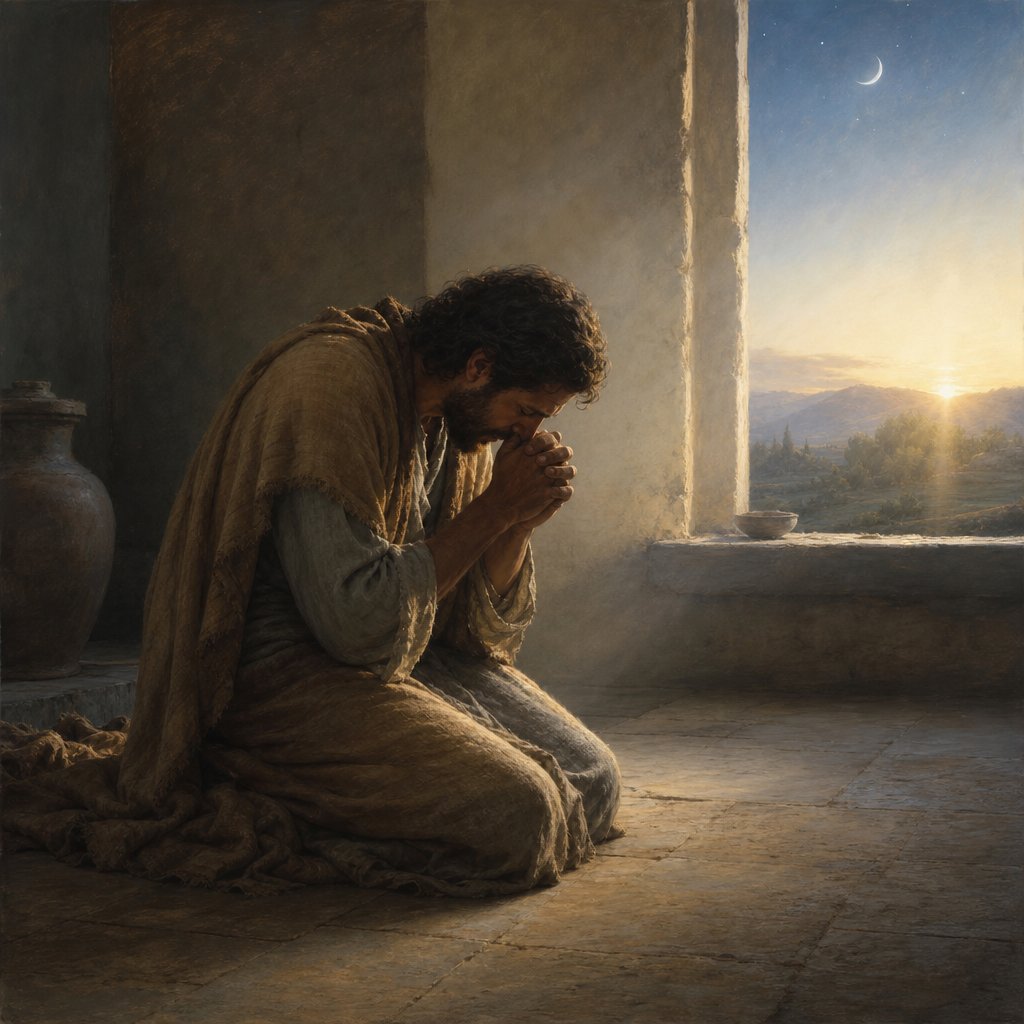
Psalms 88:1 (KJV) says, "O Lord God of my salvation, I have cried day and night before thee." This verse comes from the Book of Psalms, which is a collection of religious songs, prayers, and poems that were traditionally attributed to King David. The Psalms are a central part of the Hebrew Bible and also hold a significant place in the Christian Old Testament. They are often used in both Jewish and Christian worship services as expressions of faith, praise, and lament.
The Book of Psalms is divided into five different sections or "books," each of which concludes with a doxology. The psalms themselves cover a wide range of emotions and experiences, from joy and praise to fear and despair. Some are celebratory, praising God for his goodness and faithfulness, while others are raw expressions of human suffering and confusion. Psalms 88 is one of the more somber and despairing psalms, known for its heavy emphasis on suffering and lamentation.
In Psalms 88:1, the psalmist cries out to the "Lord God of my salvation." This title for God emphasizes his role as the source of deliverance and rescue. The psalmist acknowledges God as the only one who can save him from his troubles, turning to Him in a time of desperate need. The phrase "I have cried day and night before thee" further emphasizes the urgency and intensity of the psalmist's plea. The psalmist's suffering is so overwhelming that he feels compelled to cry out to God continually, without respite.
The theme of suffering is central to Psalms 88, as the psalmist describes a deep sense of isolation and despair. He feels abandoned by God, describing his situation as being on the brink of death. The psalmist's anguish is palpable as he cries out to God, questioning whether his prayers are even reaching Him. The psalmist is honest about his feelings of abandonment and hopelessness, offering a raw and unfiltered expression of human suffering.
One of the notable aspects of Psalms 88 is its lack of resolution or comfort. Many of the psalms contain a shift from lament to praise, as the psalmist finds hope and reassurance in God's faithfulness. However, Psalms 88 ends on a note of despair, with no clear resolution or indication of relief. This makes it a unique and powerful expression of the depths of human suffering and the experience of feeling abandoned by God. The psalm serves as a reminder that faith is not always easy, and that there are times when we may feel distant from God and unsure of His presence in our lives.
The context of Psalms 88, as with many of the psalms, lies in the specific circumstances of the psalmist's life. While the exact historical context is unknown, it is clear that the psalmist is facing significant suffering and hardship. The language of the psalm reflects a sense of isolation and abandonment, as well as physical and emotional distress. The psalmist's situation is dire, and he feels as though he is on the brink of death without any relief in sight.
In addition to its immediate context, Psalms 88 also speaks to the universal human experience of suffering and doubt. By expressing the psalmist's raw emotions and poignant questions, the psalm offers a powerful depiction of the human condition. The psalmist's experience of feeling abandoned by God is a common theme in literature and religious tradition, reflecting the struggle to reconcile faith with the harsh realities of life.
The symbolism in Psalms 88 lies in its portrayal of darkness, despair, and abandonment. The psalmist uses vivid imagery to describe his suffering, painting a picture of deep darkness and isolation. The imagery of crying day and night before God emphasizes the psalmist's unrelenting anguish, as he feels unable to escape the pain and turmoil of his situation. This imagery serves as a powerful symbol of the psalmist's emotional and spiritual state, as well as a reflection of the universal human experience of suffering and despair.
In conclusion, Psalms 88:1 is a poignant expression of human suffering and despair, emphasizing the psalmist's desperate cry for salvation and deliverance. The psalmist's raw and unfiltered expression of anguish serves as a powerful reminder of the complexity of faith and the challenges of navigating suffering and doubt. The verse's themes of abandonment, desperation, and the search for meaning make it a profound and moving expression of the human experience. While Psalms 88 offers no easy answers or resolutions, it serves as a testament to the power of honest and vulnerable expression in the face of adversity.
Get our apps


Artwork for Psalms 88:1

Psalms 88:1 - "O LORD God of my salvation, I have cried day and night before thee:"
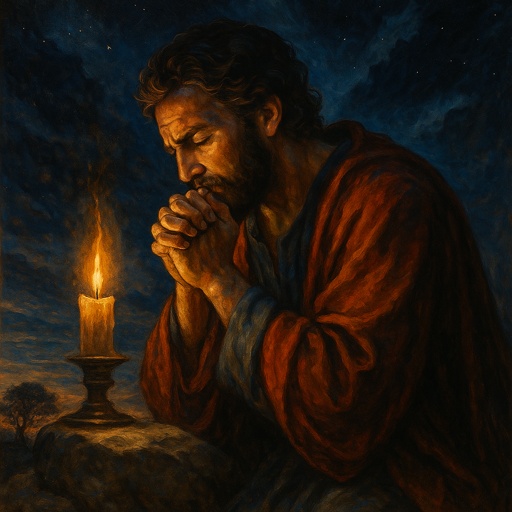
"O LORD God of my salvation, I have cried day and night before thee:" - Psalms 88:1
"O LORD God of my salvation, I have cried day and night before thee:" - Psalms 88:1

Psalms 88:3 - "For my soul is full of troubles: and my life draweth nigh unto the grave."

Psalms 88:7 - "Thy wrath lieth hard upon me, and thou hast afflicted me with all thy waves. Selah."

Psalms 88:12 - "Shall thy wonders be known in the dark? and thy righteousness in the land of forgetfulness?"

"Shall thy wonders be known in the dark? and thy righteousness in the land of forgetfulness?" - Psalms 88:12

"Thou hast laid me in the lowest pit, in darkness, in the deeps." - Psalms 88:6

Psalms 88:17 - "They came round about me daily like water; they compassed me about together."

Psalms 88:11 - "Shall thy lovingkindness be declared in the grave? or thy faithfulness in destruction?"

Psalms 88:6 - "Thou hast laid me in the lowest pit, in darkness, in the deeps."

Psalms 119:88 - "Quicken me after thy lovingkindness; so shall I keep the testimony of thy mouth."

Psalms 88:13 - "But unto thee have I cried, O LORD; and in the morning shall my prayer prevent thee."

Psalms 88:9 - "Mine eye mourneth by reason of affliction: LORD, I have called daily upon thee, I have stretched out my hands unto thee."
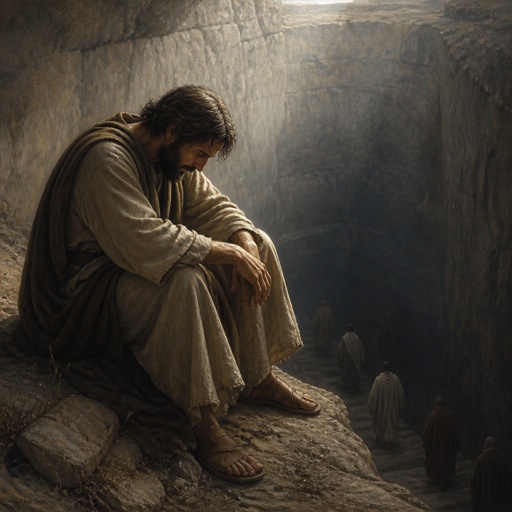
"I am counted with them that go down into the pit: I am as a man that hath no strength:" - Psalms 88:4

Psalms 88:10 - "Wilt thou shew wonders to the dead? shall the dead arise and praise thee? Selah."

Psalms 88:18 - "Lover and friend hast thou put far from me, and mine acquaintance into darkness."
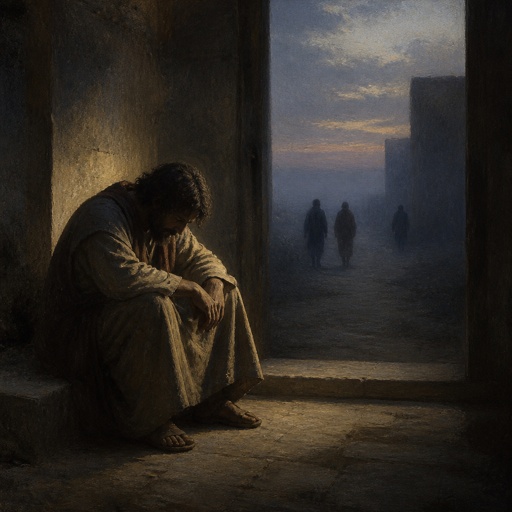
"Lover and friend hast thou put far from me, and mine acquaintance into darkness." - Psalms 88:18

Psalms 88:2 - "Let my prayer come before thee: incline thine ear unto my cry;"

Psalms 88:4 - "I am counted with them that go down into the pit: I am as a man that hath no strength:"

Psalms 88:5 - "Free among the dead, like the slain that lie in the grave, whom thou rememberest no more: and they are cut off from thy hand."
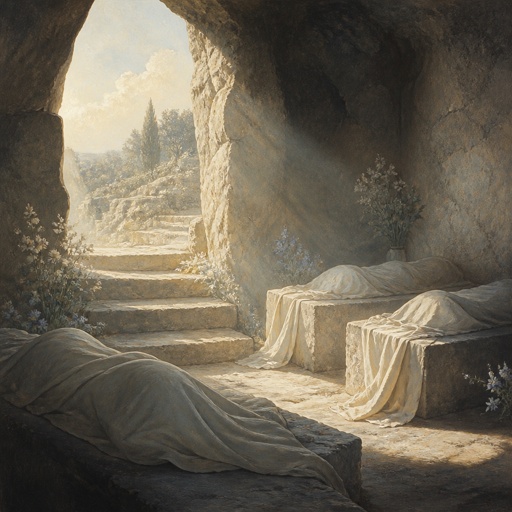
"Wilt thou shew wonders to the dead? shall the dead arise and praise thee? Selah." - Psalms 88:10

Psalms 88:15 - "I am afflicted and ready to die from my youth up: while I suffer thy terrors I am distracted."
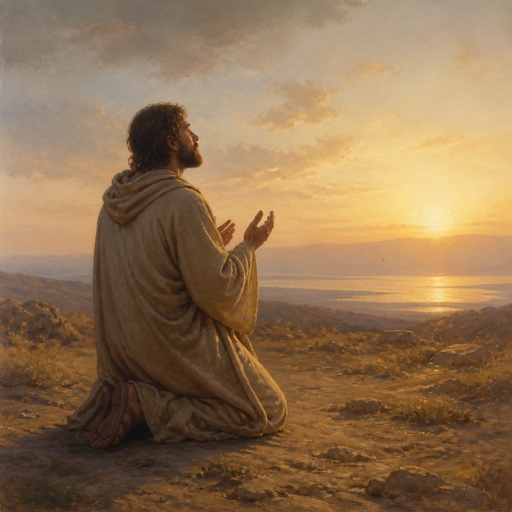
"But unto thee have I cried, O LORD; and in the morning shall my prayer prevent thee." - Psalms 88:13
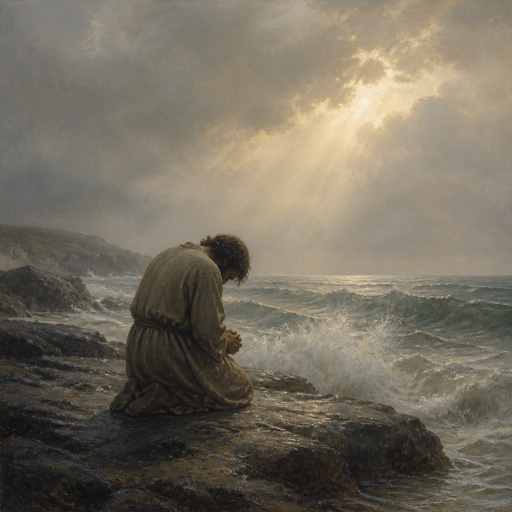
"Thy wrath lieth hard upon me, and thou hast afflicted me with all thy waves. Selah." - Psalms 88:7
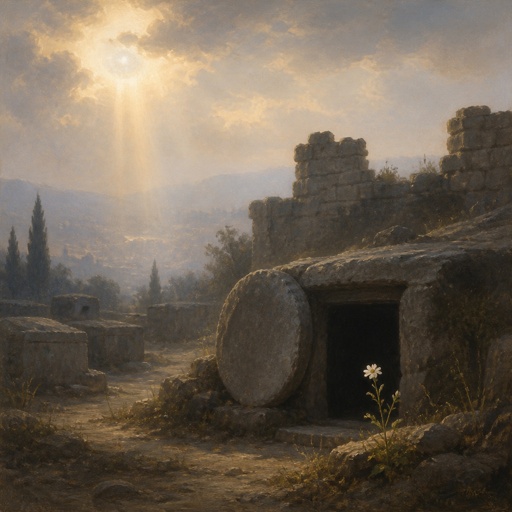
"Shall thy lovingkindness be declared in the grave? or thy faithfulness in destruction?" - Psalms 88:11

Psalms 88:8 - "Thou hast put away mine acquaintance far from me; thou hast made me an abomination unto them: I am shut up, and I cannot come forth."
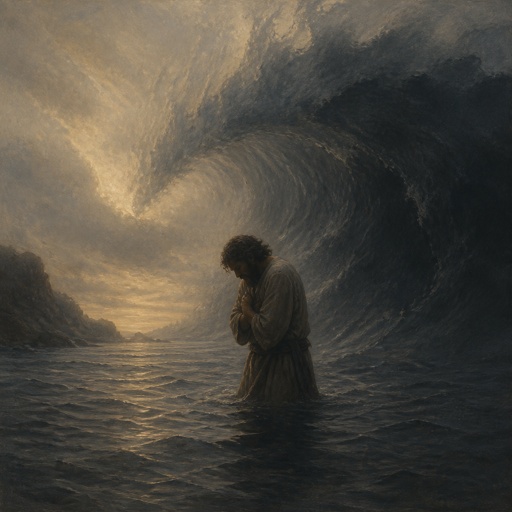
"Thy fierce wrath goeth over me; thy terrors have cut me off." - Psalms 88:16
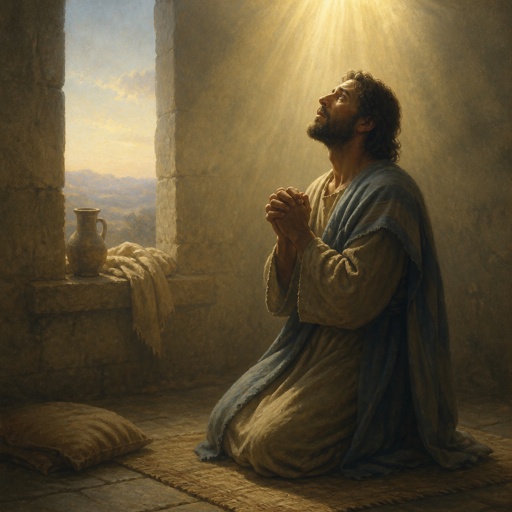
"Let my prayer come before thee: incline thine ear unto my cry;" - Psalms 88:2
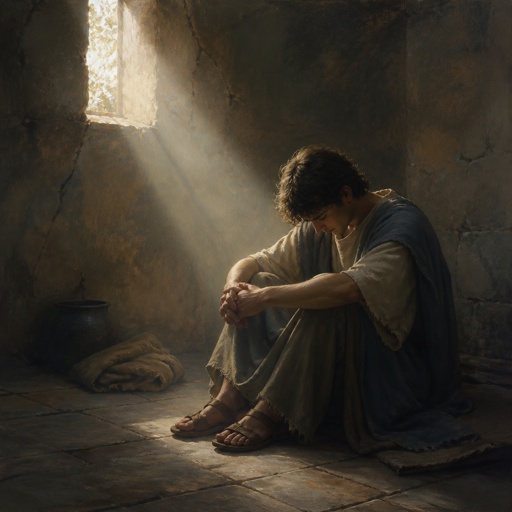
"I am afflicted and ready to die from my youth up: while I suffer thy terrors I am distracted." - Psalms 88:15