What does Psalms 88:10 mean?
“Wilt thou shew wonders to the dead? shall the dead arise and praise thee? Selah.” — Psalms 88:10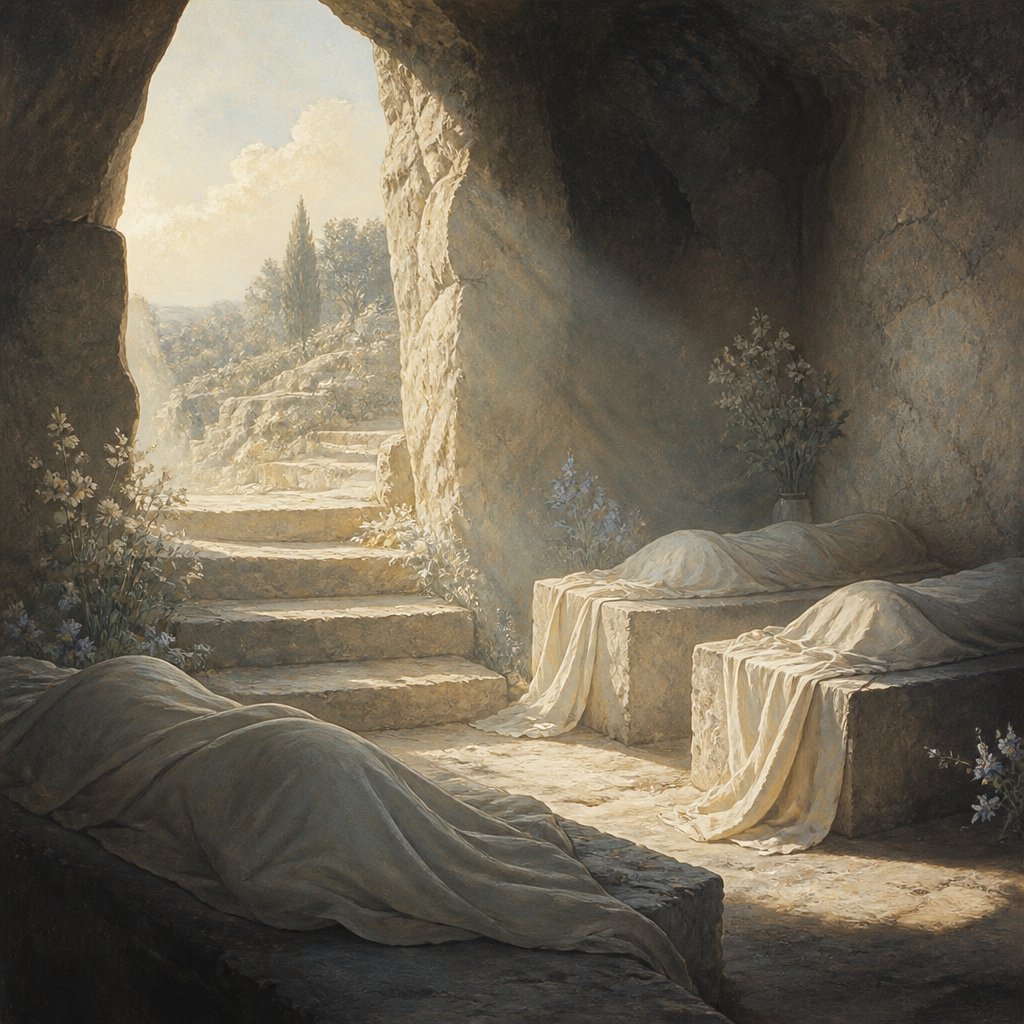
The verse Psalms 88:10 from the King James Version of the Bible reads: "Wilt thou show wonders to the dead? shall the dead arise and praise thee? Selah."
This verse comes from the Book of Psalms, which is a collection of 150 poetic songs and prayers that are traditionally attributed to King David. These psalms cover a wide range of emotions and experiences, from joy and thanksgiving to despair and lament. This particular verse is part of Psalm 88, which is a prayer of an afflicted person who is facing death and feels abandoned by God.
The context of Psalm 88 is one of deep suffering and despair. The psalmist cries out to God, expressing feelings of being overwhelmed by their troubles and feeling as if they are near death. The psalmist describes feeling abandoned by God and rejected by their loved ones, saying, "Thou hast laid me in the lowest pit, in darkness, in the deeps" (v. 6). The psalmist appeals to God, asking for deliverance and for the opportunity to praise God even in the land of the living. The verse in question, Psalm 88:10, is a rhetorical question posed to God, asking whether the dead can show wonders or arise to praise God.
The theme of this verse centers on the significance of the living in praising God. The psalmist is questioning whether the dead have the capacity to praise God and acknowledge His wonders. There is a sense of urgency in the psalmist's plea, as they desire to continue praising God in the land of the living. This theme reflects the profound belief in the importance of actively praising and serving God while one is still alive.
The use of the word "Selah" at the end of the verse adds a sense of pause and reflection. This word is found throughout the Psalms and is thought to indicate a musical interlude or a moment of reflection. In this context, "Selah" prompts the reader to pause and consider the weight of the psalmist's rhetorical question.
Symbolism in this verse is multilayered. The idea of the dead arising and praising God can be seen as a metaphor for spiritual awakening and renewal. It also speaks to the yearning for a life that is filled with purpose and connection to God. The verse also alludes to the concept of life after death and the hope of resurrection. By posing the question to God, the psalmist is expressing a deep longing for continued relationship with God even beyond death.
In a broader theological context, Psalm 88:10 raises questions about the nature of God's relationship with the dead. It delves into the mystery of what happens to the soul after death and how the dead may continue to interact with God. The verse ultimately highlights the psalmist's faith in God's power and the hope for deliverance, even in the face of death and despair.
In conclusion, Psalm 88:10 is a thought-provoking verse that delves into themes of life, death, and the enduring nature of one's relationship with God. It raises questions about the significance of praising God in the land of the living and the hope for continued connection with God beyond death. The verse prompts readers to contemplate the profound mysteries of life and the afterlife, while ultimately reaffirming the psalmist's unwavering faith in God's power and deliverance.
Get our apps


Artwork for Psalms 88:10

Psalms 88:10 - "Wilt thou shew wonders to the dead? shall the dead arise and praise thee? Selah."
"Wilt thou shew wonders to the dead? shall the dead arise and praise thee? Selah." - Psalms 88:10

Psalms 88:3 - "For my soul is full of troubles: and my life draweth nigh unto the grave."

Psalms 88:7 - "Thy wrath lieth hard upon me, and thou hast afflicted me with all thy waves. Selah."

Psalms 88:12 - "Shall thy wonders be known in the dark? and thy righteousness in the land of forgetfulness?"

"Shall thy wonders be known in the dark? and thy righteousness in the land of forgetfulness?" - Psalms 88:12

"Thou hast laid me in the lowest pit, in darkness, in the deeps." - Psalms 88:6

Psalms 88:17 - "They came round about me daily like water; they compassed me about together."

Psalms 88:11 - "Shall thy lovingkindness be declared in the grave? or thy faithfulness in destruction?"

Psalms 88:6 - "Thou hast laid me in the lowest pit, in darkness, in the deeps."

Psalms 119:88 - "Quicken me after thy lovingkindness; so shall I keep the testimony of thy mouth."

Psalms 88:13 - "But unto thee have I cried, O LORD; and in the morning shall my prayer prevent thee."

Psalms 88:9 - "Mine eye mourneth by reason of affliction: LORD, I have called daily upon thee, I have stretched out my hands unto thee."
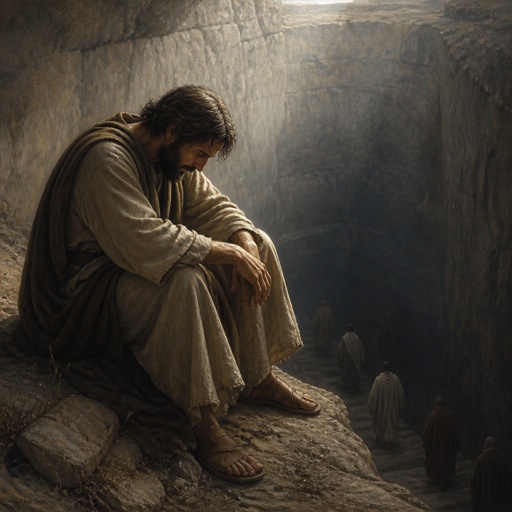
"I am counted with them that go down into the pit: I am as a man that hath no strength:" - Psalms 88:4

Psalms 88:18 - "Lover and friend hast thou put far from me, and mine acquaintance into darkness."
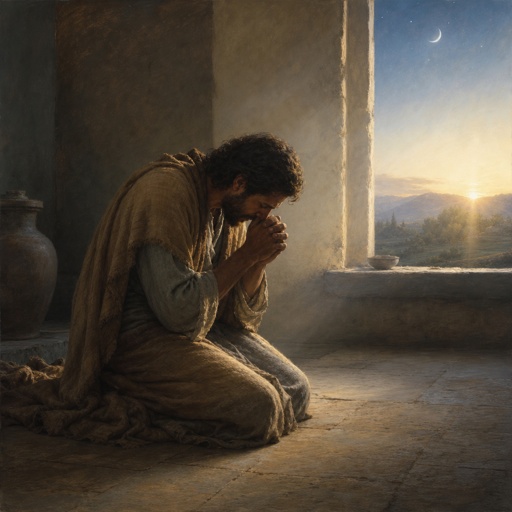
"O LORD God of my salvation, I have cried day and night before thee:" - Psalms 88:1
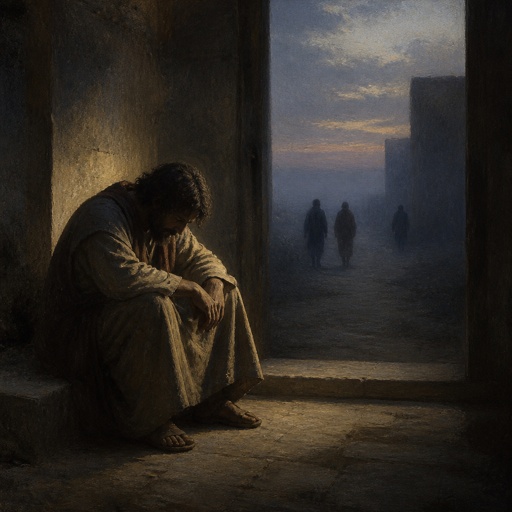
"Lover and friend hast thou put far from me, and mine acquaintance into darkness." - Psalms 88:18

Psalms 88:2 - "Let my prayer come before thee: incline thine ear unto my cry;"

Psalms 88:1 - "O LORD God of my salvation, I have cried day and night before thee:"

Psalms 88:4 - "I am counted with them that go down into the pit: I am as a man that hath no strength:"

Psalms 88:5 - "Free among the dead, like the slain that lie in the grave, whom thou rememberest no more: and they are cut off from thy hand."

Psalms 88:15 - "I am afflicted and ready to die from my youth up: while I suffer thy terrors I am distracted."

"But unto thee have I cried, O LORD; and in the morning shall my prayer prevent thee." - Psalms 88:13
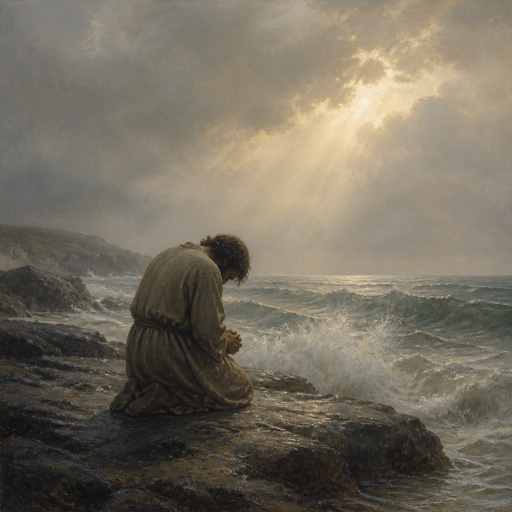
"Thy wrath lieth hard upon me, and thou hast afflicted me with all thy waves. Selah." - Psalms 88:7
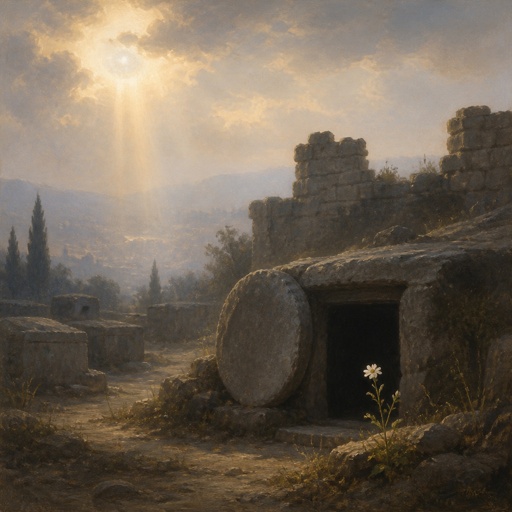
"Shall thy lovingkindness be declared in the grave? or thy faithfulness in destruction?" - Psalms 88:11

Psalms 88:8 - "Thou hast put away mine acquaintance far from me; thou hast made me an abomination unto them: I am shut up, and I cannot come forth."

"O LORD God of my salvation, I have cried day and night before thee:" - Psalms 88:1

psalms 92:10

"Thy fierce wrath goeth over me; thy terrors have cut me off." - Psalms 88:16

"Let my prayer come before thee: incline thine ear unto my cry;" - Psalms 88:2