What does Psalms 88:12 mean?
“Shall thy wonders be known in the dark? and thy righteousness in the land of forgetfulness?” — Psalms 88:12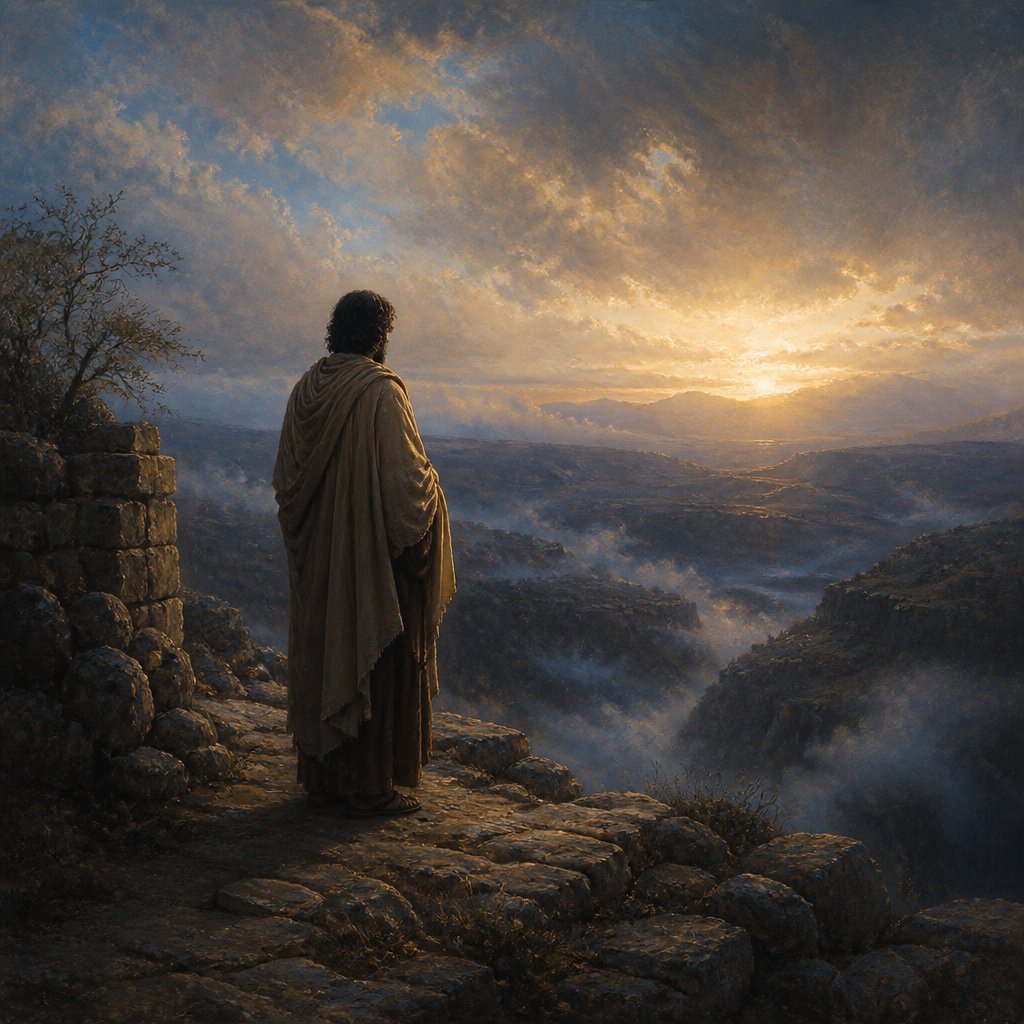
The verse Psalms 88:12, as it appears in the King James Version (KJV), states, "Shall thy wonders be known in the dark? and thy righteousness in the land of forgetfulness?" This verse comes from Psalm 88, which is a lamentation attributed to Heman the Ezrahite. This particular verse is a poignant expression of the psalmist's sense of abandonment and despair, as he questions whether God's wonders and righteousness will be acknowledged and remembered in the midst of darkness and forgetfulness.
The overarching theme of Psalm 88 is the feeling of abandonment and isolation. The psalmist cries out to God, expressing his anguish and despair, feeling as though he is on the brink of death with no hope of relief. Throughout the psalm, the psalmist feels utterly abandoned by God, as he describes being overwhelmed by trouble, feeling as though he is near to death, and being alienated from his friends and loved ones. This sense of isolation and hopelessness is a central theme that runs throughout the entire psalm.
In verse 12, the psalmist's question about whether God's wonders and righteousness will be known in the dark and in the land of forgetfulness reflects his deep sense of doubt and despair. The darkness and the land of forgetfulness can be seen as symbolic of the psalmist's current state of despair and hopelessness. In these conditions, the psalmist wonders if God's wonders and righteousness can still be recognized and celebrated.
The concept of "wonders" in this verse refers to God's miraculous acts and interventions in the world. Throughout the Bible, God is depicted as a God of wonders, performing miraculous deeds to demonstrate His power and mercy. From the creation of the world to the parting of the Red Sea, God's wonders are a testament to His divine nature and His sovereignty over all things. The psalmist's question about whether God's wonders can be known in the dark speaks to the existential crisis he is experiencing, as he grapples with the apparent absence of God's intervention in his life.
Similarly, the psalmist's reference to God's righteousness in the land of forgetfulness alludes to the idea that God's justice and moral integrity might be disregarded or overlooked in times of darkness and despair. The phrase "land of forgetfulness" may symbolize a place where God's righteousness is disregarded and where His justice is not acknowledged. The psalmist's question implies a fear that, in his current state of suffering and abandonment, God's righteousness may be forgotten, and His justice may not prevail.
The verse also speaks to the human experience of doubt and questioning in the face of suffering. The psalmist's uncertainty about whether God's wonders and righteousness can be known in the dark is a common struggle for many who grapple with the mystery of God's ways in the midst of pain and hardship. It reflects the human tendency to seek understanding and meaning in the midst of despair, even when it seems impossible to comprehend the purposes of God's actions.
In conclusion, Psalm 88:12, as it appears in the King James Version (KJV), is a powerful expression of the psalmist's feeling of abandonment and despair, as he questions whether God's wonders and righteousness can be recognized in the midst of darkness and forgetfulness. The verse embodies the themes of isolation, doubt, and existential crisis, as the psalmist grapples with the apparent absence of God's intervention and justice in his life. It serves as a poignant reminder of the human struggle to find faith and meaning in the midst of suffering and hardship.
Get our apps


Artwork for Psalms 88:12

Psalms 88:12 - "Shall thy wonders be known in the dark? and thy righteousness in the land of forgetfulness?"
"Shall thy wonders be known in the dark? and thy righteousness in the land of forgetfulness?" - Psalms 88:12

Psalms 88:3 - "For my soul is full of troubles: and my life draweth nigh unto the grave."

Psalms 88:7 - "Thy wrath lieth hard upon me, and thou hast afflicted me with all thy waves. Selah."

"Thou hast laid me in the lowest pit, in darkness, in the deeps." - Psalms 88:6

Psalms 88:17 - "They came round about me daily like water; they compassed me about together."

Psalms 88:11 - "Shall thy lovingkindness be declared in the grave? or thy faithfulness in destruction?"

Psalms 88:6 - "Thou hast laid me in the lowest pit, in darkness, in the deeps."

Psalms 119:88 - "Quicken me after thy lovingkindness; so shall I keep the testimony of thy mouth."

Psalms 88:13 - "But unto thee have I cried, O LORD; and in the morning shall my prayer prevent thee."

Psalms 88:9 - "Mine eye mourneth by reason of affliction: LORD, I have called daily upon thee, I have stretched out my hands unto thee."
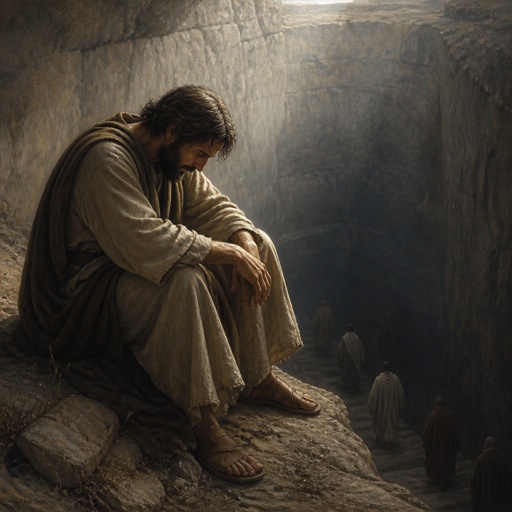
"I am counted with them that go down into the pit: I am as a man that hath no strength:" - Psalms 88:4

Psalms 88:10 - "Wilt thou shew wonders to the dead? shall the dead arise and praise thee? Selah."

Psalms 88:18 - "Lover and friend hast thou put far from me, and mine acquaintance into darkness."
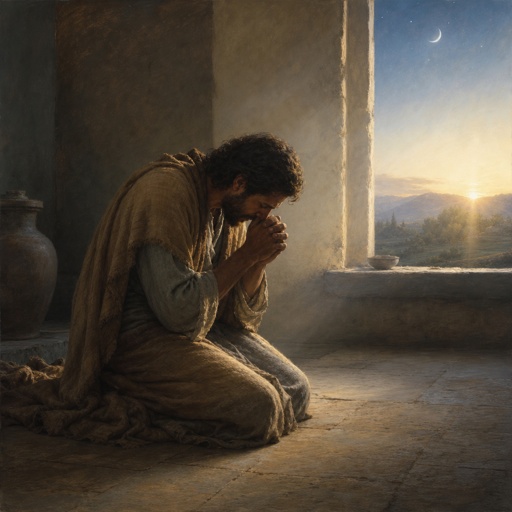
"O LORD God of my salvation, I have cried day and night before thee:" - Psalms 88:1
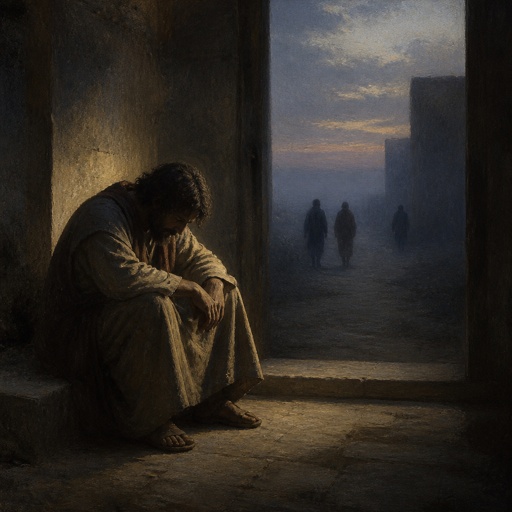
"Lover and friend hast thou put far from me, and mine acquaintance into darkness." - Psalms 88:18

Psalms 88:2 - "Let my prayer come before thee: incline thine ear unto my cry;"

Psalms 88:1 - "O LORD God of my salvation, I have cried day and night before thee:"

Psalms 88:4 - "I am counted with them that go down into the pit: I am as a man that hath no strength:"

Psalms 88:5 - "Free among the dead, like the slain that lie in the grave, whom thou rememberest no more: and they are cut off from thy hand."
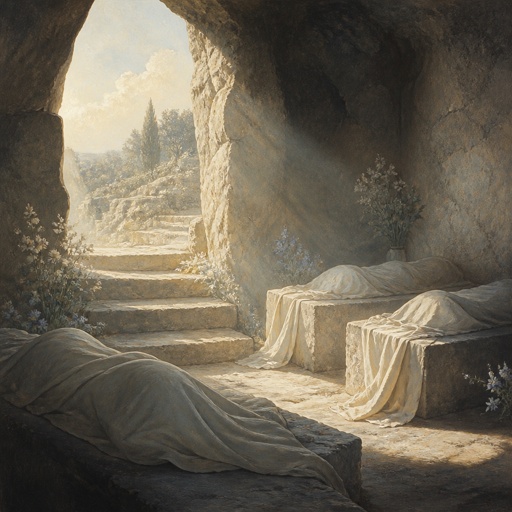
"Wilt thou shew wonders to the dead? shall the dead arise and praise thee? Selah." - Psalms 88:10

Psalms 88:15 - "I am afflicted and ready to die from my youth up: while I suffer thy terrors I am distracted."
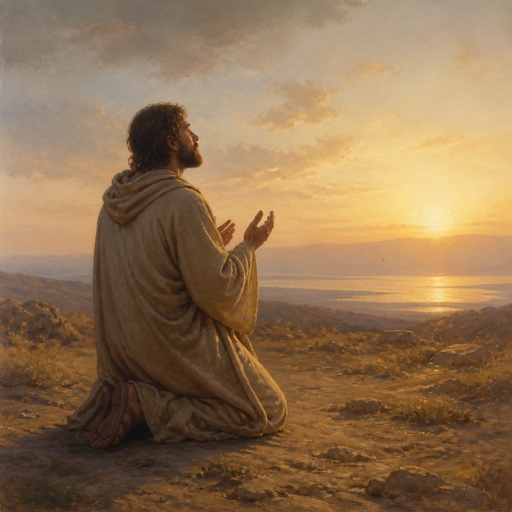
"But unto thee have I cried, O LORD; and in the morning shall my prayer prevent thee." - Psalms 88:13
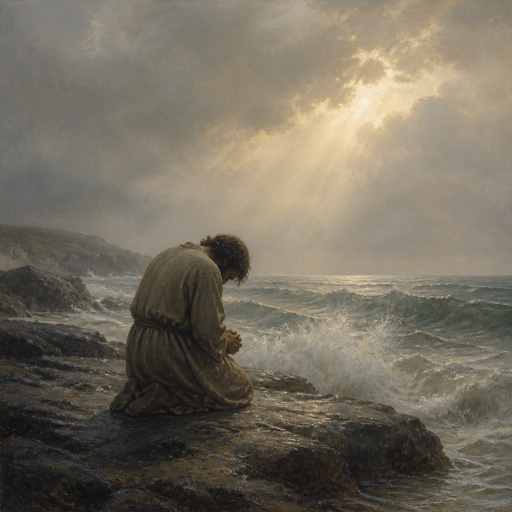
"Thy wrath lieth hard upon me, and thou hast afflicted me with all thy waves. Selah." - Psalms 88:7
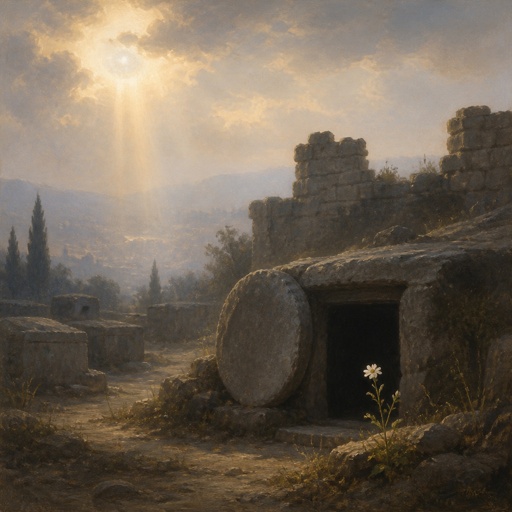
"Shall thy lovingkindness be declared in the grave? or thy faithfulness in destruction?" - Psalms 88:11

Psalms 88:8 - "Thou hast put away mine acquaintance far from me; thou hast made me an abomination unto them: I am shut up, and I cannot come forth."
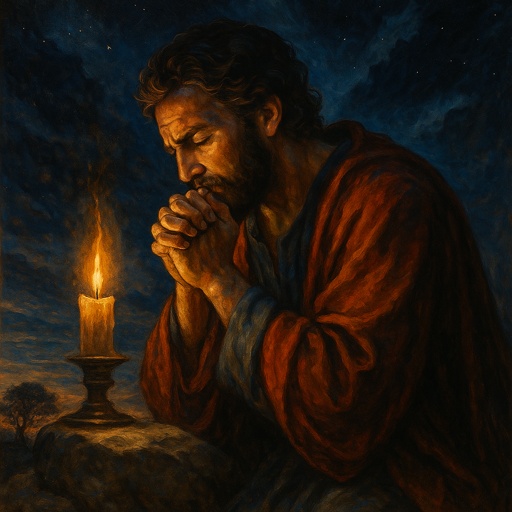
"O LORD God of my salvation, I have cried day and night before thee:" - Psalms 88:1
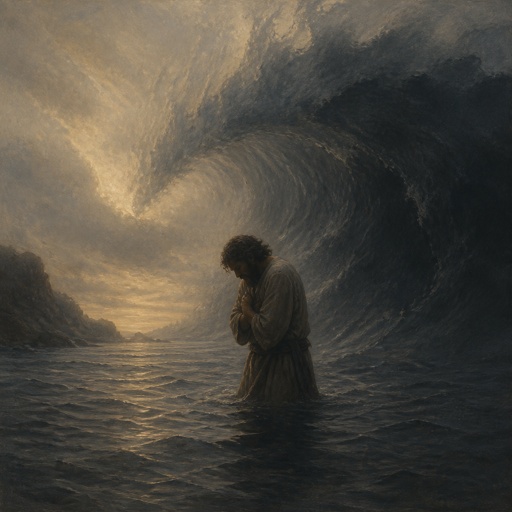
"Thy fierce wrath goeth over me; thy terrors have cut me off." - Psalms 88:16
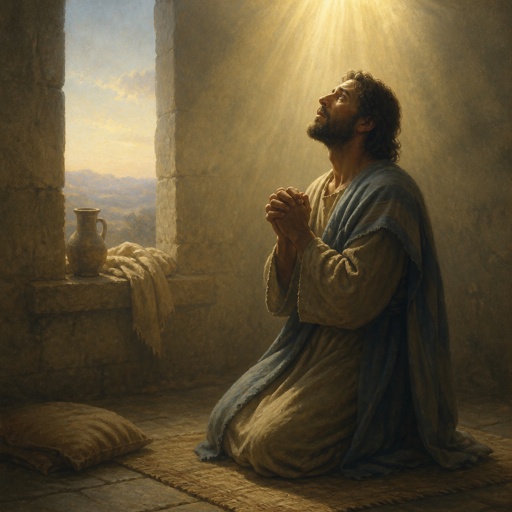
"Let my prayer come before thee: incline thine ear unto my cry;" - Psalms 88:2
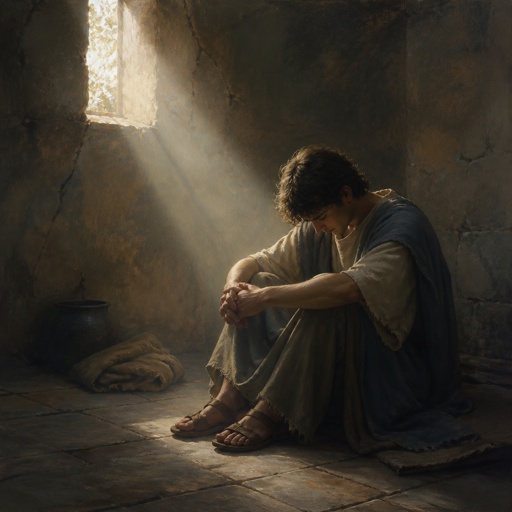
"I am afflicted and ready to die from my youth up: while I suffer thy terrors I am distracted." - Psalms 88:15