What does Psalms 88:2 mean?
“Let my prayer come before thee: incline thine ear unto my cry;” — Psalms 88:2
Psalms 88:2 says, “Let my prayer come before thee: incline thine ear unto my cry” in the King James Version of the Bible. This verse is part of a lament psalm, in which the speaker expresses deep distress and pleas for God’s mercy and intervention. The book of Psalms is a collection of 150 poetic, emotional, and deeply personal songs and prayers that have been used by the Jewish people and the Christian church for thousands of years. Each psalm communicates a range of human experiences and emotions, including joy, sorrow, fear, anger, and despair. Psalms 88 is particularly somber and mournful, as the psalmist cries out to God in the midst of intense suffering and darkness.
The context of this verse is crucial for understanding its meaning and significance. The entire Psalm 88 is a prayer of an afflicted individual who feels abandoned by God and overwhelmed by suffering. The psalmist’s situation is dire, and they feel as though their very life is slipping away. They describe feeling like they are at the brink of Sheol, the place of the dead, and that they are cut off from God’s care and protection. The psalmist describes their suffering in vivid and visceral terms, conveying a sense of hopelessness and despair. The entire psalm is a powerful expression of human suffering and the feeling of being utterly abandoned and alone.
The themes present in this verse and throughout Psalm 88 include the experience of suffering, the feeling of abandonment, and the desperate need for God’s intervention. The psalmist’s cry is an expression of deep pain and anguish, and their plea for God to incline His ear to their cry reflects a profound longing for connection and deliverance. The theme of suffering is central in this verse, as the psalmist desperately seeks relief from their affliction and cries out to God for mercy.
The concept of God inclining His ear to the psalmist’s cry is rich with symbolism. It conveys an image of God leaning down to listen attentively to the psalmist’s prayer, demonstrating His compassion and care. This act of inclining the ear signifies God’s direct and intimate involvement in the psalmist’s life, and His willingness to hear and respond to their desperate plea. The image of God inclining His ear also communicates His accessibility and responsiveness to the cries of His people. It conveys a sense of hope and trust in the psalmist’s relationship with God, despite the intense suffering and despair they are experiencing.
In a broader theological context, this verse and Psalm 88 as a whole raise important questions about the nature of suffering and the experience of feeling abandoned by God. The psalmist’s lamentation provides a powerful reflection on the human condition, grappling with the reality of pain and hardship, and the struggle to maintain faith and hope in the midst of suffering. This psalm offers a poignant reminder that it is okay to bring our deepest pain and sorrows to God, and to pour out our hearts before Him in times of anguish and despair.
In conclusion, Psalm 88:2 is a poignant expression of deep suffering and desperate longing for God’s intervention. The verse conveys the psalmist’s earnest plea for God to hear their cry and to respond with mercy. It is a powerful reminder of the profound human experience of suffering and the need for divine compassion and comfort. The thematic depth, emotional resonance, and spiritual significance of this verse make it a timeless expression of human vulnerability and the enduring hope for God’s presence and deliverance in the midst of suffering.
Get our apps


Artwork for Psalms 88:2

Psalms 88:2 - "Let my prayer come before thee: incline thine ear unto my cry;"

"Let my prayer come before thee: incline thine ear unto my cry;" - Psalms 88:2

Psalms 88:3 - "For my soul is full of troubles: and my life draweth nigh unto the grave."

Psalms 88:7 - "Thy wrath lieth hard upon me, and thou hast afflicted me with all thy waves. Selah."

Psalms 88:12 - "Shall thy wonders be known in the dark? and thy righteousness in the land of forgetfulness?"

"Shall thy wonders be known in the dark? and thy righteousness in the land of forgetfulness?" - Psalms 88:12

"Thou hast laid me in the lowest pit, in darkness, in the deeps." - Psalms 88:6

Psalms 88:17 - "They came round about me daily like water; they compassed me about together."

Psalms 88:11 - "Shall thy lovingkindness be declared in the grave? or thy faithfulness in destruction?"

Psalms 88:6 - "Thou hast laid me in the lowest pit, in darkness, in the deeps."

Psalms 119:88 - "Quicken me after thy lovingkindness; so shall I keep the testimony of thy mouth."

Psalms 88:13 - "But unto thee have I cried, O LORD; and in the morning shall my prayer prevent thee."

Psalms 88:9 - "Mine eye mourneth by reason of affliction: LORD, I have called daily upon thee, I have stretched out my hands unto thee."

"I am counted with them that go down into the pit: I am as a man that hath no strength:" - Psalms 88:4

Psalms 88:10 - "Wilt thou shew wonders to the dead? shall the dead arise and praise thee? Selah."

Psalms 88:18 - "Lover and friend hast thou put far from me, and mine acquaintance into darkness."

"O LORD God of my salvation, I have cried day and night before thee:" - Psalms 88:1
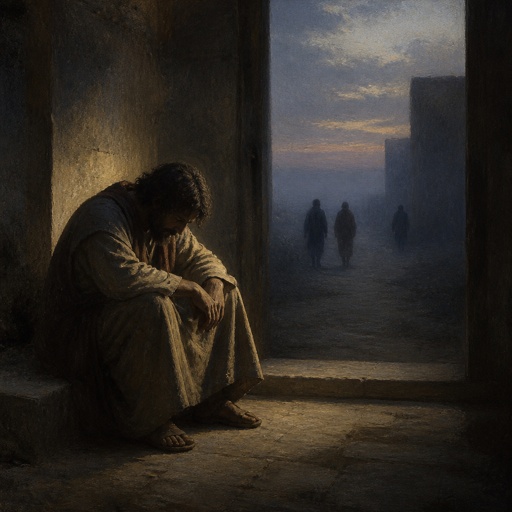
"Lover and friend hast thou put far from me, and mine acquaintance into darkness." - Psalms 88:18

Psalms 88:1 - "O LORD God of my salvation, I have cried day and night before thee:"

Psalms 88:4 - "I am counted with them that go down into the pit: I am as a man that hath no strength:"

Psalms 88:5 - "Free among the dead, like the slain that lie in the grave, whom thou rememberest no more: and they are cut off from thy hand."

"Wilt thou shew wonders to the dead? shall the dead arise and praise thee? Selah." - Psalms 88:10

Psalms 88:15 - "I am afflicted and ready to die from my youth up: while I suffer thy terrors I am distracted."

"But unto thee have I cried, O LORD; and in the morning shall my prayer prevent thee." - Psalms 88:13

"Thy wrath lieth hard upon me, and thou hast afflicted me with all thy waves. Selah." - Psalms 88:7

"Shall thy lovingkindness be declared in the grave? or thy faithfulness in destruction?" - Psalms 88:11

Psalms 88:8 - "Thou hast put away mine acquaintance far from me; thou hast made me an abomination unto them: I am shut up, and I cannot come forth."

"O LORD God of my salvation, I have cried day and night before thee:" - Psalms 88:1

"Thy fierce wrath goeth over me; thy terrors have cut me off." - Psalms 88:16

"I am afflicted and ready to die from my youth up: while I suffer thy terrors I am distracted." - Psalms 88:15