What does Psalms 90:2 mean?
“Before the mountains were brought forth, or ever thou hadst formed the earth and the world, even from everlasting to everlasting, thou art God.” — Psalms 90:2
"Before the mountains were brought forth, or ever thou hadst formed the earth and the world, even from everlasting to everlasting, thou art God."
The verse Psalms 90:2 from the King James Version of the Bible speaks to the eternal nature of God. It emphasizes the infinite, timeless existence of God, contrasting the fleeting, temporal nature of the physical world. This verse is attributed to Moses, a man of great faith and deep spiritual understanding, making it all the more powerful and impactful.
The verse begins with the imagery of the creation of the mountains, a symbol of stability and permanence in the physical world. The mountains, being one of the oldest and most enduring features of the earth, are used here to represent the beginning of time and the physical realm. The verse then goes on to express that even before these mountains were brought forth, God existed. This is a profound statement about the timeless and eternal nature of God, who stands outside of time and is not subject to its limitations.
The verse continues by stating, "or ever thou hadst formed the earth and the world," emphasizing that God existed even before the creation of the earth and the world. This further reinforces the idea of God's timeless existence and His role as the ultimate creator of all things. It also serves to highlight the insignificance of the physical world in comparison to the eternal and unchanging nature of God.
The verse then concludes with the powerful declaration, "even from everlasting to everlasting, thou art God." This statement encapsulates the central theme of the verse – the eternal nature of God. The use of the term "everlasting" twice in succession emphasizes the infinitude of God's existence, both in the past and in the future. God is not bound by time or limited by it; He is the eternally existing and unchanging God.
The context of this verse is significant as well. It is found in the book of Psalms, which is a collection of prayers, hymns, and poems that express a wide range of human emotions and experiences. It is often attributed to David, but in the case of Psalm 90, it is believed to have been written by Moses, the great prophet and leader of the Israelites. This context adds depth to the verse, as it is not just a statement of abstract theology, but a heartfelt expression of faith and trust in God's eternal nature.
The themes present in this verse are numerous and profound. At its core, Psalm 90:2 is a meditation on the transcendence and eternal nature of God. It encourages believers to contemplate the limitless and timeless nature of God, finding comfort and reassurance in His unchanging character. It also serves as a reminder of the brevity and transience of human life and the physical world. In comparison to the eternal nature of God, our lives and the world we inhabit are fleeting and temporary.
Additionally, this verse can be seen as a source of hope and encouragement. In a world that is constantly changing and uncertain, the timeless and unchanging nature of God provides a source of stability and security. It reminds believers that no matter what challenges or trials they may face, God remains the same – eternal and unshakable.
Symbolism plays a significant role in this verse as well. The mountains, earth, and world serve as symbols of the physical realm and all that is transient and impermanent. In contrast, God's eternal nature is symbolized by the term "everlasting," which emphasizes His transcendence and timelessness.
In conclusion, Psalm 90:2 from the King James Version of the Bible is a powerful and profound meditation on the eternal nature of God. Its timeless message continues to resonate with believers, providing comfort, hope, and a reminder of God's unchanging character amidst a world of constant change. This verse serves as a powerful affirmation of faith and an invitation to contemplate the infinite and eternal nature of God.
Get our apps


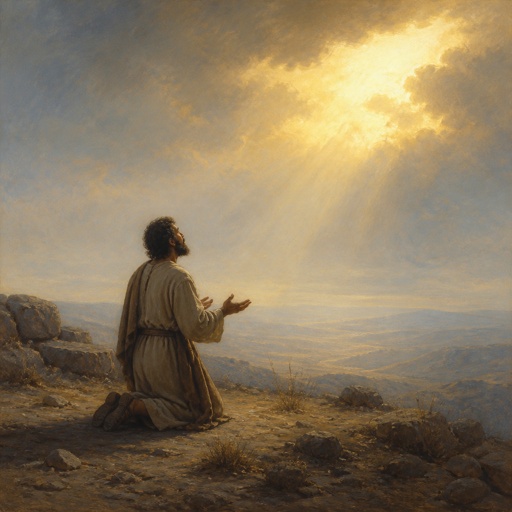
Artwork for Psalms 90:2

Psalms 90:2 - "Before the mountains were brought forth, or ever thou hadst formed the earth and the world, even from everlasting to everlasting, thou art God."

"Before the mountains were brought forth, or ever thou hadst formed the earth and the world, even from everlasting to everlasting, thou art God." - Psalms 90:2

"In the morning it flourisheth, and groweth up; in the evening it is cut down, and withereth." - Psalms 90:6

Psalms 90:6 - "In the morning it flourisheth, and groweth up; in the evening it is cut down, and withereth."
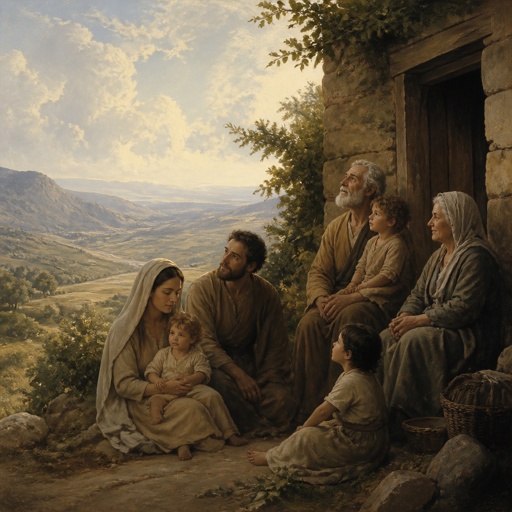
"Lord, thou hast been our dwelling place in all generations." - Psalms 90:1

Psalms 90:4 - "For a thousand years in thy sight are but as yesterday when it is past, and as a watch in the night."

Psalms 90:17 - "And let the beauty of the LORD our God be upon us: and establish thou the work of our hands upon us; yea, the work of our hands establish thou it."
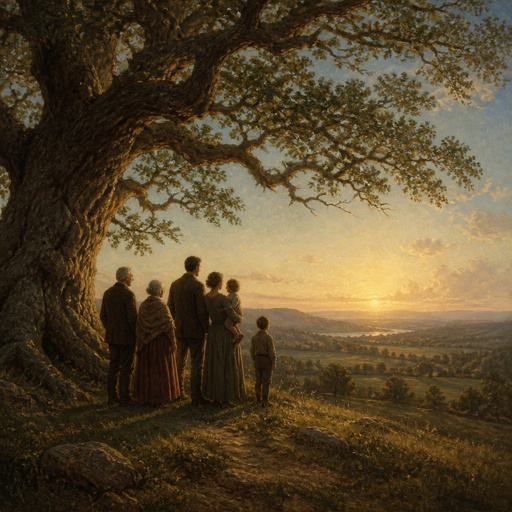
"Thy faithfulness is unto all generations: thou hast established the earth, and it abideth." - Psalms 119:90

Psalms 90:13 - "Return, O LORD, how long? and let it repent thee concerning thy servants."

Psalms 90:5 - "Thou carriest them away as with a flood; they are as a sleep: in the morning they are like grass which groweth up."

Psalms 90:11 - "Who knoweth the power of thine anger? even according to thy fear, so is thy wrath."

Psalms 90:7 - "For we are consumed by thine anger, and by thy wrath are we troubled."

Psalms 90:1 - "Lord, thou hast been our dwelling place in all generations."

Psalms 90:3 - "Thou turnest man to destruction; and sayest, Return, ye children of men."
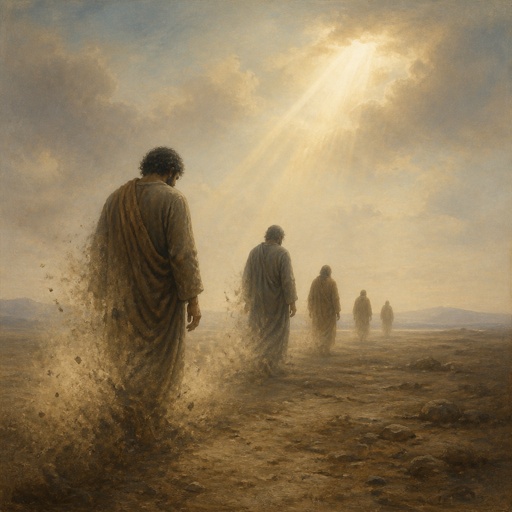
"Thou turnest man to destruction; and sayest, Return, ye children of men." - Psalms 90:3

Psalms 119:90 - "Thy faithfulness is unto all generations: thou hast established the earth, and it abideth."
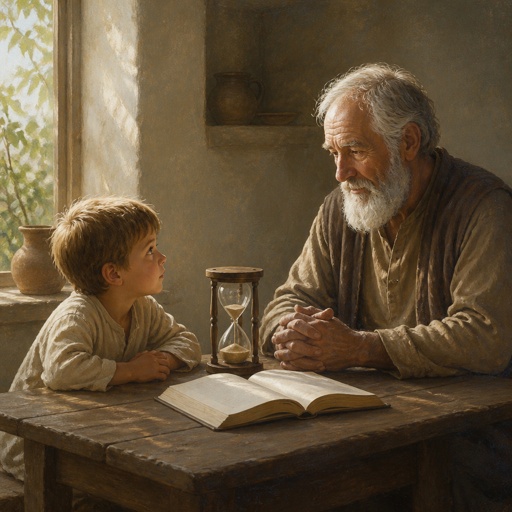
"So teach us to number our days, that we may apply our hearts unto wisdom." - Psalms 90:12

Psalms 90:16 - "Let thy work appear unto thy servants, and thy glory unto their children."

Psalms 90:15 - "Make us glad according to the days wherein thou hast afflicted us, and the years wherein we have seen evil."

Psalms 90:12 - "So teach us to number our days, that we may apply our hearts unto wisdom."

Psalms 90:14 - "O satisfy us early with thy mercy; that we may rejoice and be glad all our days."

Psalms 90:9 - "For all our days are passed away in thy wrath: we spend our years as a tale that is told."

Psalms 90:8 - "Thou hast set our iniquities before thee, our secret sins in the light of thy countenance."
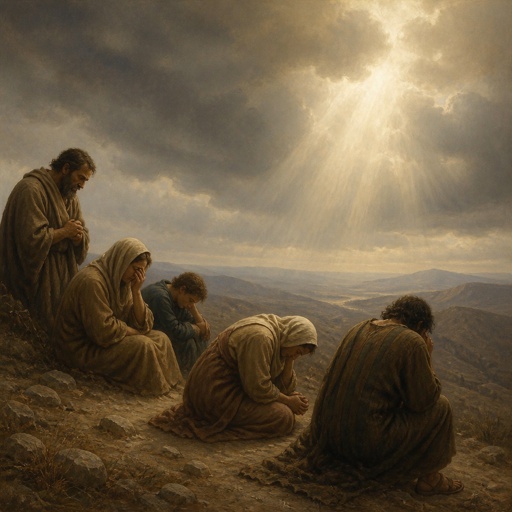
"For we are consumed by thine anger, and by thy wrath are we troubled." - Psalms 90:7
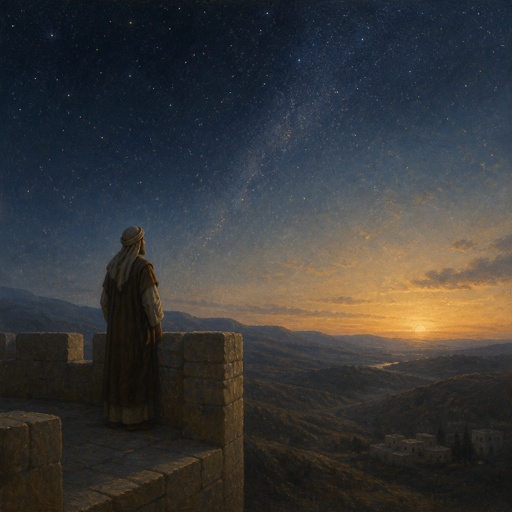
"For a thousand years in thy sight are but as yesterday when it is past, and as a watch in the night." - Psalms 90:4
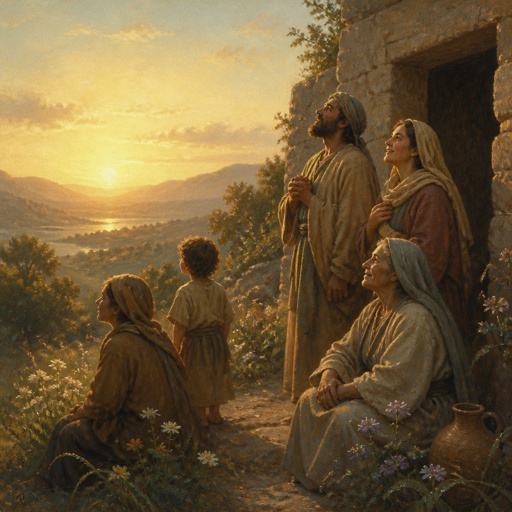
"O satisfy us early with thy mercy; that we may rejoice and be glad all our days." - Psalms 90:14

Psalms 90:10 - "The days of our years are threescore years and ten; and if by reason of strength they be fourscore years, yet is their strength labour and sorrow; for it is soon cut off, and we fly away."

"Thou carriest them away as with a flood; they are as a sleep: in the morning they are like grass which groweth up." - Psalms 90:5
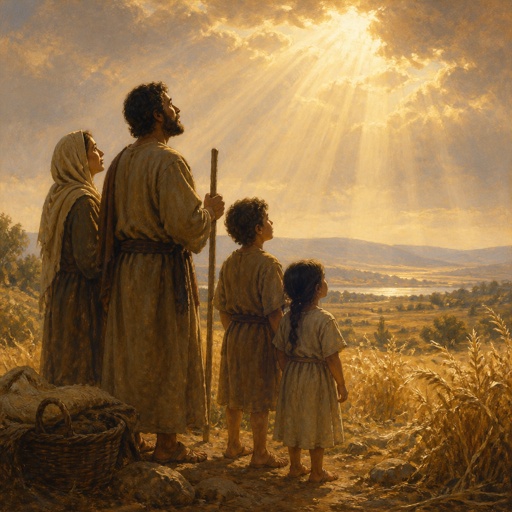
"Let thy work appear unto thy servants, and thy glory unto their children." - Psalms 90:16
"Return, O LORD, how long? and let it repent thee concerning thy servants." - Psalms 90:13