What does Psalms 94:14 mean?
“For the LORD will not cast off his people, neither will he forsake his inheritance.” — Psalms 94:14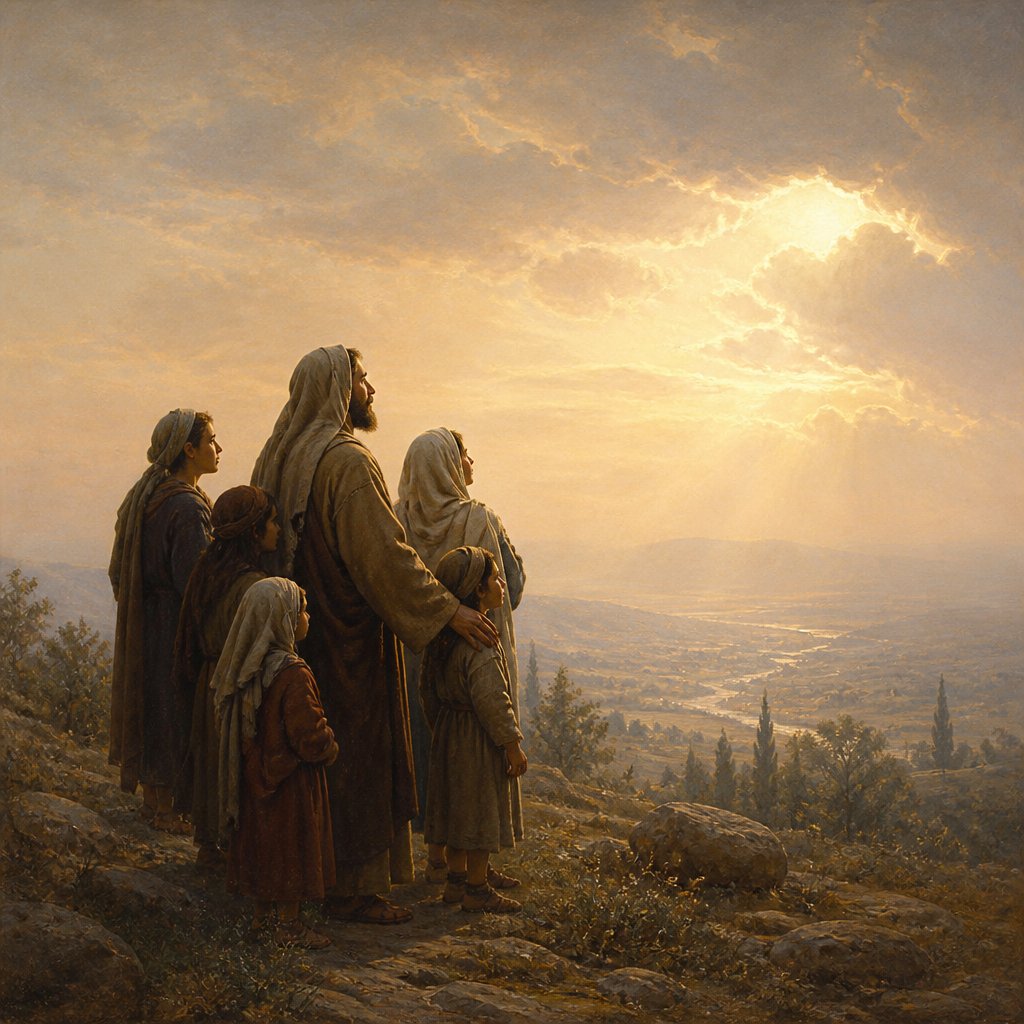
The Bible verse Psalms 94:14 in the King James Version (KJV) states, "For the Lord will not cast off his people, neither will he forsake his inheritance." This verse, found in the book of Psalms, is a powerful declaration of God's faithfulness and commitment to His people.
The book of Psalms, often attributed to David, is a collection of prayers, hymns, and poems that express a wide range of human emotions and experiences. Throughout the book, the psalmists express their devotion to God, seek His protection and guidance, and praise Him for His unfailing love and faithfulness. Psalm 94 is a lament that addresses the problem of evil and the apparent lack of divine intervention. In the midst of their distress, the psalmist clings to the assurance that God will not abandon His people and will ultimately bring justice and salvation.
At the heart of Psalms 94:14 is the theme of God's unwavering commitment to His chosen people. The verse begins with the affirmation that "the Lord will not cast off his people," emphasizing God's steadfast love and loyalty. This assurance is grounded in the covenantal relationship between God and the nation of Israel, which serves as a prototype for God's relationship with all believers. Throughout the Bible, God repeatedly demonstrates His faithfulness to His people, even in the face of their unfaithfulness and disobedience. He is a God who keeps His promises and remains faithful to His children, despite their shortcomings.
The second part of the verse proclaims that God will not forsake His inheritance. This imagery of inheritance reflects the special and treasured status of God's people. In the Old Testament, the land of Israel is often referred to as God's inheritance, emphasizing His ownership and care for His chosen people. This concept also extends to the New Testament, where believers are described as God's inheritance (Ephesians 1:18). This language conveys the idea of value, possession, and legacy, highlighting the intimate and precious relationship between God and His people.
The context of Psalm 94:14 is significant in understanding its deeper meaning. The entire psalm reflects the psalmist's struggle with the apparent prosperity of the wicked and the suffering of the righteous. The psalmist cries out to God, pleading for justice and judgment against the oppressors. In the midst of this turmoil and confusion, the declaration of God's unchanging faithfulness serves as an anchor of hope and assurance for the psalmist and all who read or recite this verse.
The symbolism in Psalms 94:14 is rich with imagery that underscores God's enduring love and protection. The image of God as a shepherd who cares for and protects His flock is a recurring theme throughout the Bible. In Psalm 23, David famously describes the Lord as his shepherd who leads, guides, and comforts him. This image emphasizes the intimate and personal nature of God's relationship with His people, portraying Him as a loving and attentive caretaker.
Furthermore, the language of inheritance in Psalm 94:14 evokes the idea of a familial relationship between God and His people. In the Old Testament, inheritance was a tangible sign of God's provision and blessing for His people. The land, possessions, and blessings that were passed down from one generation to the next symbolized God's faithfulness and care for His covenant people. In the New Testament, the concept of inheritance is further developed to include the spiritual blessings and eternal life that believers receive as heirs of God's kingdom.
In conclusion, Psalms 94:14 in the King James Version offers a profound affirmation of God's unwavering commitment to His people. It encapsulates the themes of God's faithfulness, covenantal love, and the special relationship between God and His chosen ones. It provides comfort and encouragement to believers, assuring them that God will never abandon or forsake them. This verse serves as a powerful reminder of God's enduring faithfulness and the security of His love for His people.
Get our apps


Artwork for Psalms 94:14

Psalms 94:14 - "For the LORD will not cast off his people, neither will he forsake his inheritance."
"For the LORD will not cast off his people, neither will he forsake his inheritance." - Psalms 94:14

Psalms 94:19 - "In the multitude of my thoughts within me thy comforts delight my soul."

"They slay the widow and the stranger, and murder the fatherless." - Psalms 94:6

Psalms 94:16 - "Who will rise up for me against the evildoers? or who will stand up for me against the workers of iniquity?"

Psalms 94:11 - "The LORD knoweth the thoughts of man, that they are vanity."

Psalms 94:6 - "They slay the widow and the stranger, and murder the fatherless."

Psalms 94:22 - "But the LORD is my defence; and my God is the rock of my refuge."
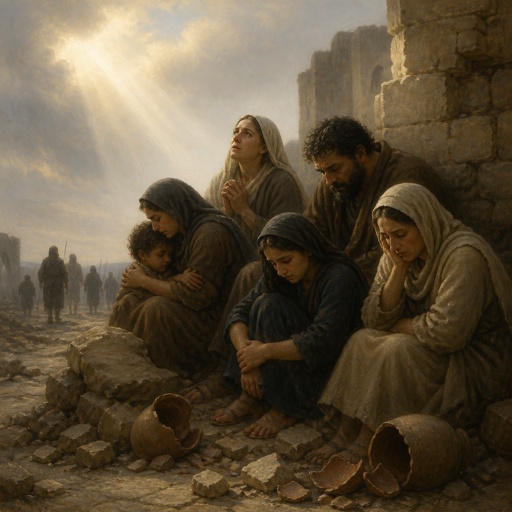
"They break in pieces thy people, O LORD, and afflict thine heritage." - Psalms 94:5

Psalms 94:21 - "They gather themselves together against the soul of the righteous, and condemn the innocent blood."
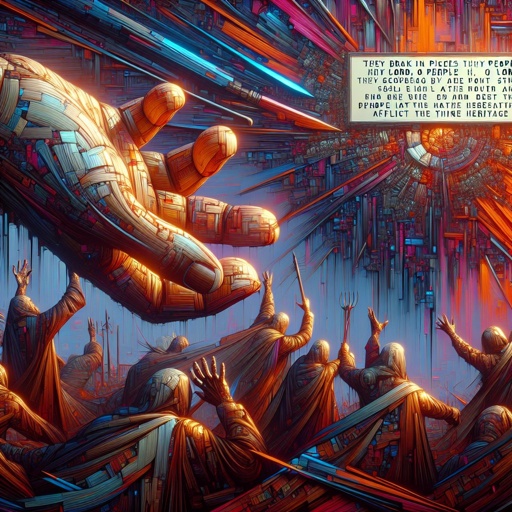
Psalms 94:5 - "They break in pieces thy people, O LORD, and afflict thine heritage."

Psalms 94:2 - "Lift up thyself, thou judge of the earth: render a reward to the proud."

Psalms 119:94 - "I am thine, save me; for I have sought thy precepts."

Psalms 94:3 - "LORD, how long shall the wicked, how long shall the wicked triumph?"
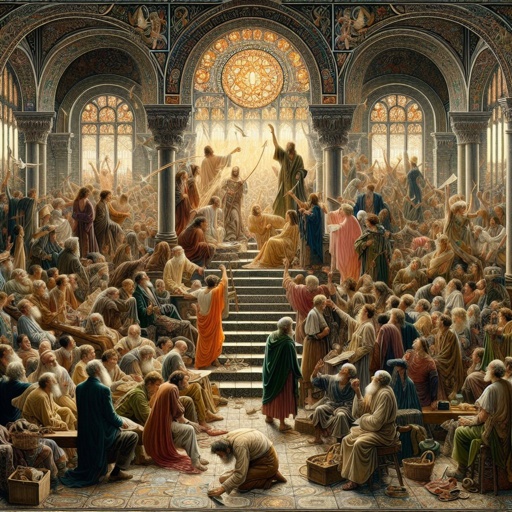
Psalms 94:8 - "Understand, ye brutish among the people: and ye fools, when will ye be wise?"

Psalms 94:7 - "Yet they say, The LORD shall not see, neither shall the God of Jacob regard it."

Psalms 94:20 - "Shall the throne of iniquity have fellowship with thee, which frameth mischief by a law?"

Psalms 94:15 - "But judgment shall return unto righteousness: and all the upright in heart shall follow it."
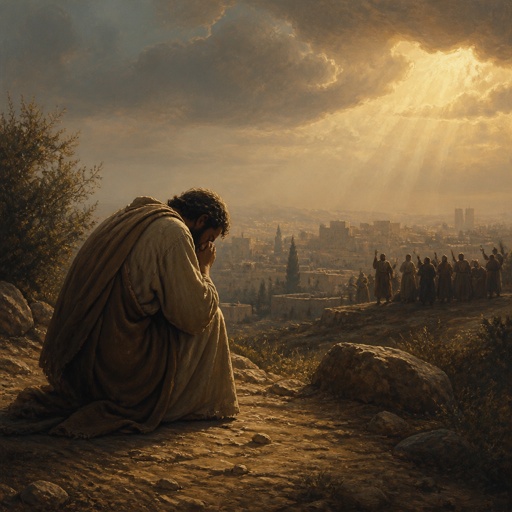
"LORD, how long shall the wicked, how long shall the wicked triumph?" - Psalms 94:3
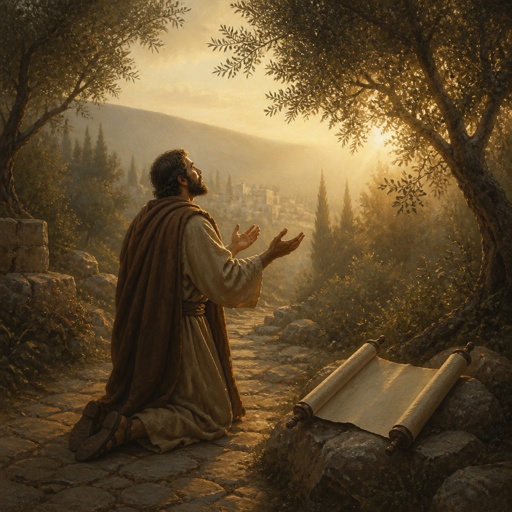
"I am thine, save me; for I have sought thy precepts." - Psalms 119:94
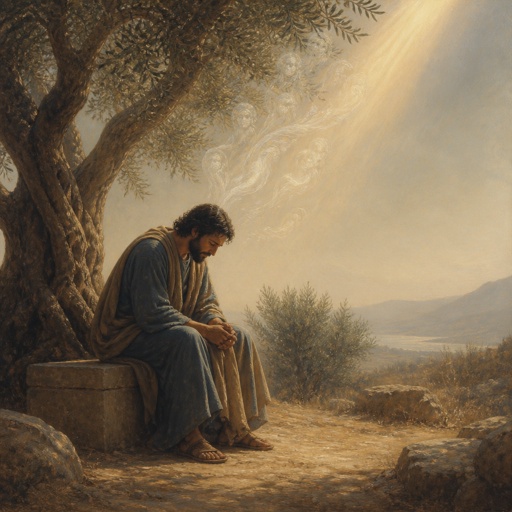
"The LORD knoweth the thoughts of man, that they are vanity." - Psalms 94:11
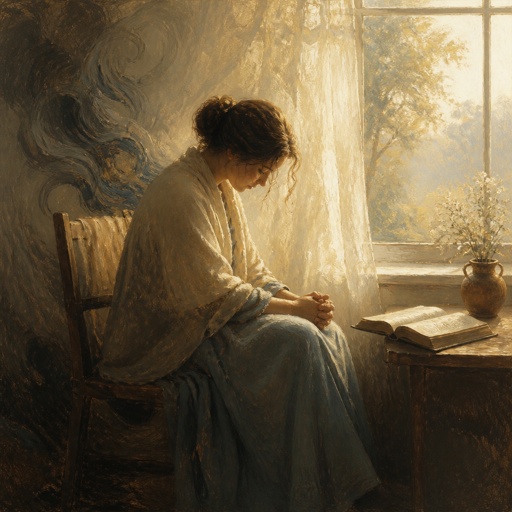
"In the multitude of my thoughts within me thy comforts delight my soul." - Psalms 94:19

Psalms 94:13 - "That thou mayest give him rest from the days of adversity, until the pit be digged for the wicked."

Psalms 94:9 - "He that planted the ear, shall he not hear? he that formed the eye, shall he not see?"

Psalms 94:17 - "Unless the LORD had been my help, my soul had almost dwelt in silence."

Psalms 94:4 - "How long shall they utter and speak hard things? and all the workers of iniquity boast themselves?"

Psalms 94:12 - "Blessed is the man whom thou chastenest, O LORD, and teachest him out of thy law;"
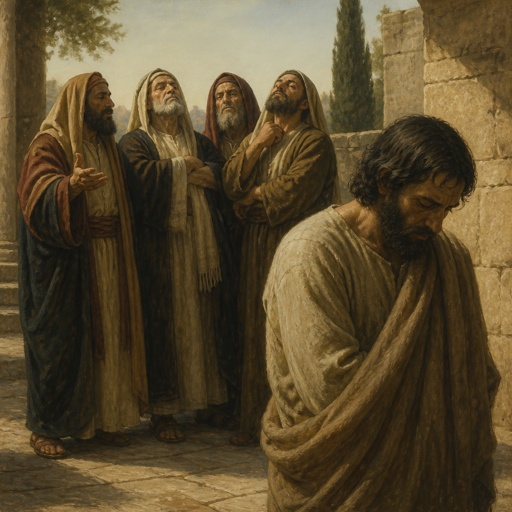
"How long shall they utter and speak hard things? and all the workers of iniquity boast themselves?" - Psalms 94:4

Psalms 94:10 - "He that chastiseth the heathen, shall not he correct? he that teacheth man knowledge, shall not he know?"

Psalms 94:1 - "O LORD God, to whom vengeance belongeth; O God, to whom vengeance belongeth, shew thyself."