What does Psalms 94:17 mean?
“Unless the LORD had been my help, my soul had almost dwelt in silence.” — Psalms 94:17
The Bible verse Psalms 94:17 in the King James Version reads, "Unless the Lord had been my help, my soul had almost dwelt in silence." This verse is part of a larger psalm that expresses the psalmist's cry for justice in the face of oppression and suffering. It is a powerful declaration of trust and dependence on God in times of trouble.
In order to fully understand the meaning and context of this verse, it is important to delve into the surrounding verses and the historical and literary context of the psalm as a whole. Psalms 94 is a lament, a cry for justice from the psalmist to God. The psalmist is deeply troubled by the oppression and injustice he sees around him, and he calls on God to intervene and bring judgment upon the wicked. Throughout the psalm, the psalmist's faith in God is evident, as he expresses confidence in God's ability to bring about justice and deliverance.
The verse in question, Psalms 94:17, is a declaration of the psalmist's dependence on God for help and rescue. The use of the word "help" in this verse conveys the psalmist's recognition that without the aid of the Lord, he would have been left in a state of despair and hopelessness. The phrase "my soul had almost dwelt in silence" suggests a sense of being on the brink of despair, with no one to turn to and no hope of relief. The psalmist acknowledges that it is only by the grace and intervention of God that he has been spared from this fate.
One of the central themes of this verse and the entire psalm is the idea of trust and dependence on God in the face of adversity. The psalmist's declaration that the Lord has been his help serves as a reminder that God is the ultimate source of strength and deliverance in times of trouble. This theme of trust and dependence on God is a recurring theme throughout the book of Psalms, as the psalmists express their unwavering faith in God's ability to deliver them from their enemies and provide for their needs.
The historical and cultural context of Psalms 94 is also important to consider. Many scholars believe that this psalm was written during a time of great distress and turmoil for the nation of Israel. The psalmist's cries for justice and his lament over the wickedness of the oppressors reflect the real-world experiences of the Israelites as they faced persecution and suffering. This context adds depth and significance to the psalm, as it speaks to the universal human experience of enduring hardship and turning to God for help and deliverance.
In addition to its thematic and historical significance, Psalms 94:17 also contains symbolic and metaphorical language that enhances its meaning. The use of the word "silence" in this verse carries with it a sense of emptiness and desolation. The psalmist's acknowledgment that his soul almost dwelt in silence conveys the idea of being on the brink of despair, with no one to turn to and no hope of relief. This metaphorical language serves to emphasize the psalmist's profound recognition of God's saving grace in the midst of adversity.
In conclusion, Psalms 94:17 in the King James Version is a powerful declaration of trust and dependence on God in times of trouble. It is a poignant reminder that God is the ultimate source of strength and deliverance, and that even in the darkest of times, He is our help and refuge. The verse's thematic, historical, and metaphorical significance all contribute to its powerful and timeless message of faith and hope in God.
Get our apps


Artwork for Psalms 94:17

Psalms 94:17 - "Unless the LORD had been my help, my soul had almost dwelt in silence."

"Unless the LORD had been my help, my soul had almost dwelt in silence." - Psalms 94:17

Psalms 94:19 - "In the multitude of my thoughts within me thy comforts delight my soul."

"They slay the widow and the stranger, and murder the fatherless." - Psalms 94:6

Psalms 94:16 - "Who will rise up for me against the evildoers? or who will stand up for me against the workers of iniquity?"

Psalms 94:11 - "The LORD knoweth the thoughts of man, that they are vanity."

Psalms 94:6 - "They slay the widow and the stranger, and murder the fatherless."

Psalms 94:22 - "But the LORD is my defence; and my God is the rock of my refuge."
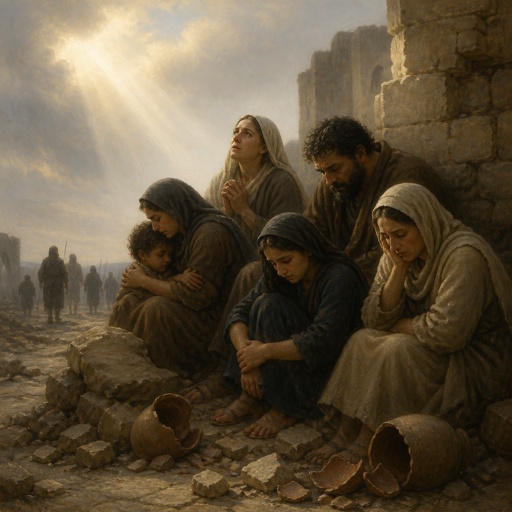
"They break in pieces thy people, O LORD, and afflict thine heritage." - Psalms 94:5

Psalms 94:21 - "They gather themselves together against the soul of the righteous, and condemn the innocent blood."

Psalms 94:5 - "They break in pieces thy people, O LORD, and afflict thine heritage."

Psalms 94:2 - "Lift up thyself, thou judge of the earth: render a reward to the proud."

Psalms 94:14 - "For the LORD will not cast off his people, neither will he forsake his inheritance."

Psalms 119:94 - "I am thine, save me; for I have sought thy precepts."

Psalms 94:3 - "LORD, how long shall the wicked, how long shall the wicked triumph?"
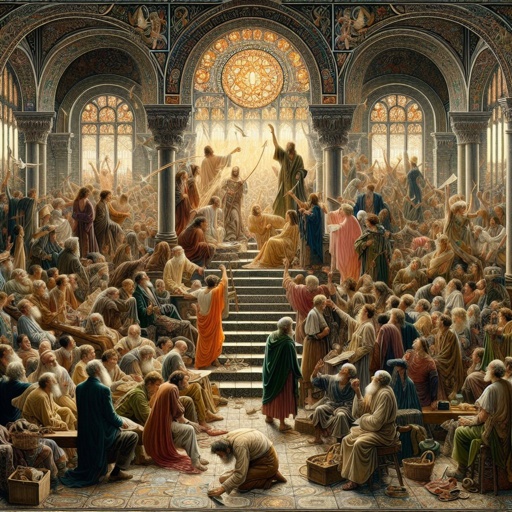
Psalms 94:8 - "Understand, ye brutish among the people: and ye fools, when will ye be wise?"

Psalms 94:20 - "Shall the throne of iniquity have fellowship with thee, which frameth mischief by a law?"

Psalms 94:7 - "Yet they say, The LORD shall not see, neither shall the God of Jacob regard it."

Psalms 94:15 - "But judgment shall return unto righteousness: and all the upright in heart shall follow it."

"LORD, how long shall the wicked, how long shall the wicked triumph?" - Psalms 94:3

"I am thine, save me; for I have sought thy precepts." - Psalms 119:94
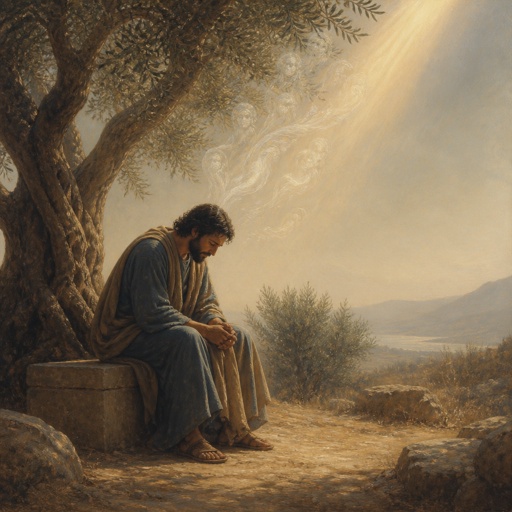
"The LORD knoweth the thoughts of man, that they are vanity." - Psalms 94:11
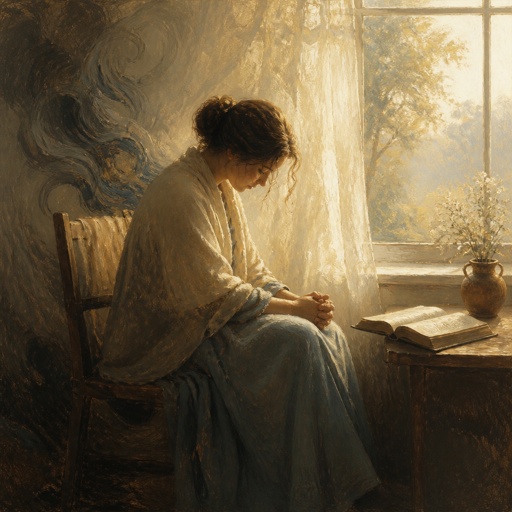
"In the multitude of my thoughts within me thy comforts delight my soul." - Psalms 94:19

Psalms 94:13 - "That thou mayest give him rest from the days of adversity, until the pit be digged for the wicked."

Psalms 94:9 - "He that planted the ear, shall he not hear? he that formed the eye, shall he not see?"

Psalms 94:4 - "How long shall they utter and speak hard things? and all the workers of iniquity boast themselves?"

Psalms 94:12 - "Blessed is the man whom thou chastenest, O LORD, and teachest him out of thy law;"
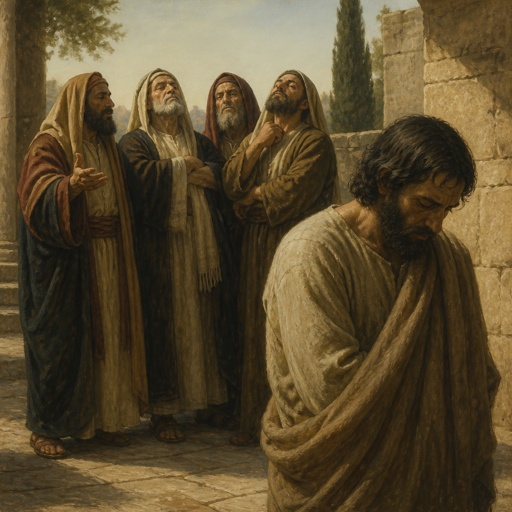
"How long shall they utter and speak hard things? and all the workers of iniquity boast themselves?" - Psalms 94:4

Psalms 94:10 - "He that chastiseth the heathen, shall not he correct? he that teacheth man knowledge, shall not he know?"

Psalms 94:1 - "O LORD God, to whom vengeance belongeth; O God, to whom vengeance belongeth, shew thyself."