What does Psalms 94:20 mean?
“Shall the throne of iniquity have fellowship with thee, which frameth mischief by a law?” — Psalms 94:20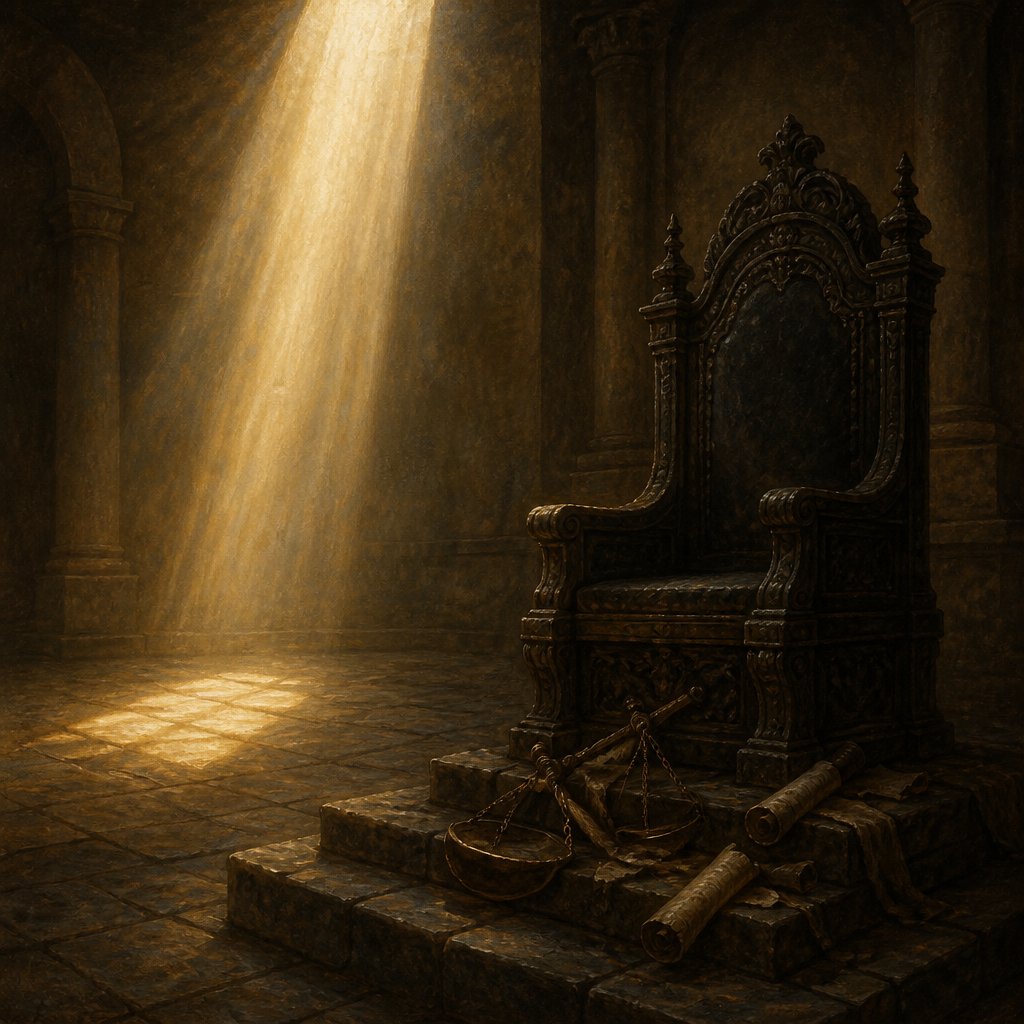
Psalms 94:20 (KJV) states, "Shall the throne of iniquity have fellowship with thee, which frameth mischief by a law?"
This verse is taken from the book of Psalms, which is a collection of 150 poetic and lyrical compositions. It is often attributed to King David, who is said to have written many of the verses. The book of Psalms is known for its themes of praise, thanksgiving, lament, and trust in God. Psalms 94:20 specifically addresses the concept of justice and the righteous judgment of God.
The verse begins with the question, "Shall the throne of iniquity have fellowship with thee?" This question is a rhetorical one, implying that the answer is a resounding "no." The "throne of iniquity" refers to rulers or authorities who are corrupt and unjust. Iniquity, in this context, refers to wickedness, sin, and immorality. The question suggests that those who are in positions of power and authority should not be aligned with or in harmony with God, who represents righteousness and justice.
The verse goes on to describe those who "frameth mischief by a law." This implies that those in power are using their authority to create laws and regulations that are not just and are in fact designed to promote wickedness and evil. This manipulation of the law to serve selfish and malevolent purposes is a form of injustice and corruption.
In this verse, the psalmist is expressing a deep sense of outrage and indignation at the idea of corrupt rulers aligning themselves with God. The psalmist is calling out the hypocrisy and injustice of those in positions of power who abuse their authority and oppress the righteous. This theme of denouncing unrighteous rulers and calling for God's judgment and justice is a recurring theme throughout the book of Psalms.
The context of Psalms 94 is one of lament and supplication. The psalmist is crying out to God for deliverance from the wicked and for justice to be served. The psalmist is seeking reassurance that God sees the injustices being perpetrated and will ultimately bring about judgment and righteousness.
Symbolism plays a significant role in this verse as well. The "throne of iniquity" symbolizes corrupt and oppressive rulers, while the "frameth mischief by a law" symbolizes the manipulation and exploitation of the legal system to serve unjust ends. These symbols serve to illustrate the broader themes of injustice and the abuse of power.
Overall, Psalms 94:20 is a powerful and poignant commentary on the nature of justice and righteousness. It speaks to the eternal struggle between good and evil, and the assurance that ultimately, God's righteousness will prevail. This verse serves as a call to action for believers to seek justice and to stand against corruption and oppression, knowing that God is ultimately the arbiter of true justice.
Get our apps


Artwork for Psalms 94:20

Psalms 94:20 - "Shall the throne of iniquity have fellowship with thee, which frameth mischief by a law?"
"Shall the throne of iniquity have fellowship with thee, which frameth mischief by a law?" - Psalms 94:20

Psalms 94:19 - "In the multitude of my thoughts within me thy comforts delight my soul."

"They slay the widow and the stranger, and murder the fatherless." - Psalms 94:6

Psalms 94:16 - "Who will rise up for me against the evildoers? or who will stand up for me against the workers of iniquity?"

Psalms 94:11 - "The LORD knoweth the thoughts of man, that they are vanity."

Psalms 94:6 - "They slay the widow and the stranger, and murder the fatherless."

Psalms 94:22 - "But the LORD is my defence; and my God is the rock of my refuge."
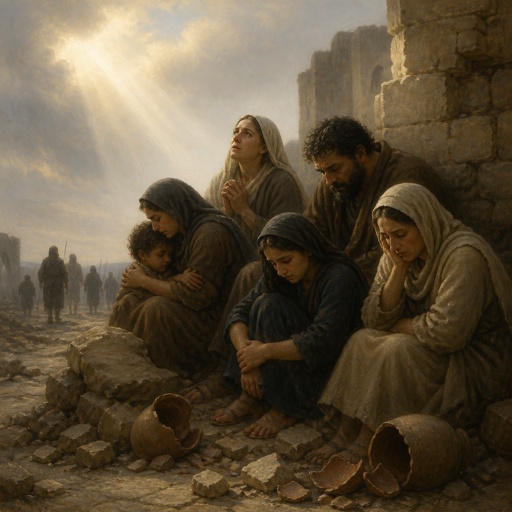
"They break in pieces thy people, O LORD, and afflict thine heritage." - Psalms 94:5
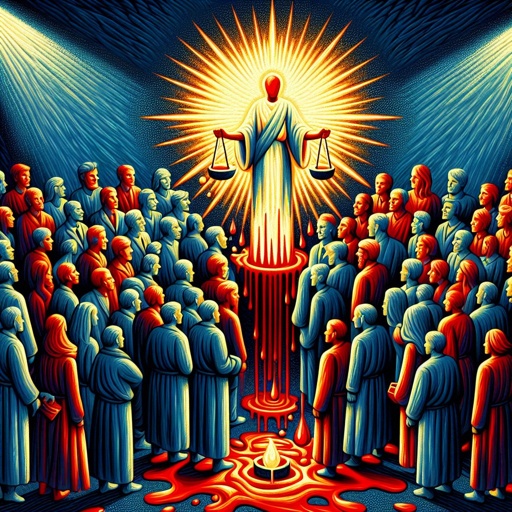
Psalms 94:21 - "They gather themselves together against the soul of the righteous, and condemn the innocent blood."
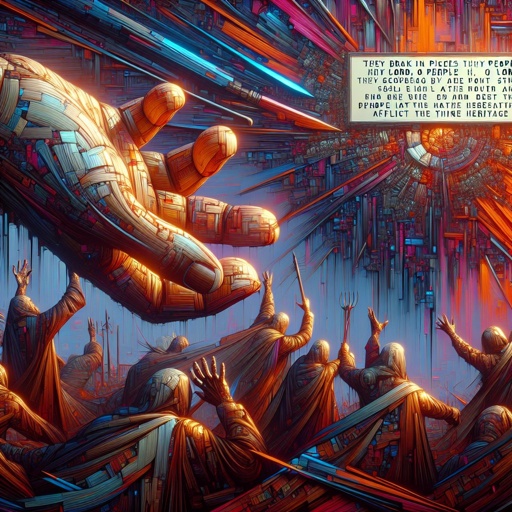
Psalms 94:5 - "They break in pieces thy people, O LORD, and afflict thine heritage."

Psalms 94:2 - "Lift up thyself, thou judge of the earth: render a reward to the proud."

Psalms 119:94 - "I am thine, save me; for I have sought thy precepts."

Psalms 94:14 - "For the LORD will not cast off his people, neither will he forsake his inheritance."

Psalms 94:3 - "LORD, how long shall the wicked, how long shall the wicked triumph?"
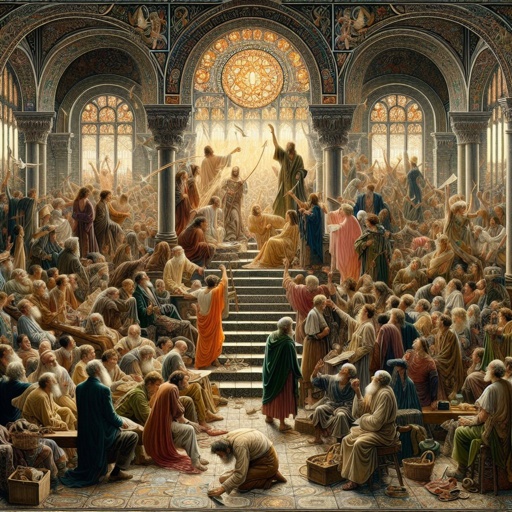
Psalms 94:8 - "Understand, ye brutish among the people: and ye fools, when will ye be wise?"

Psalms 94:7 - "Yet they say, The LORD shall not see, neither shall the God of Jacob regard it."

Psalms 94:15 - "But judgment shall return unto righteousness: and all the upright in heart shall follow it."
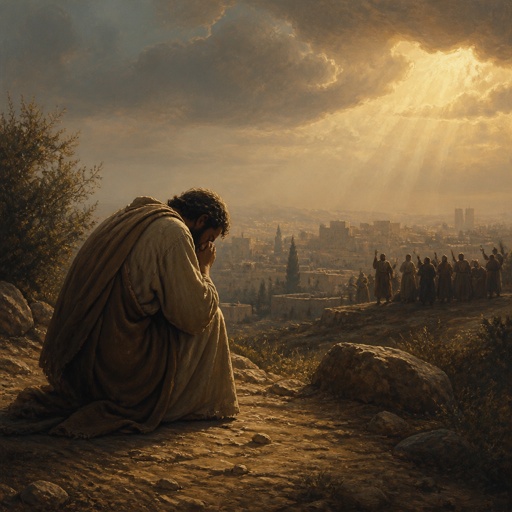
"LORD, how long shall the wicked, how long shall the wicked triumph?" - Psalms 94:3
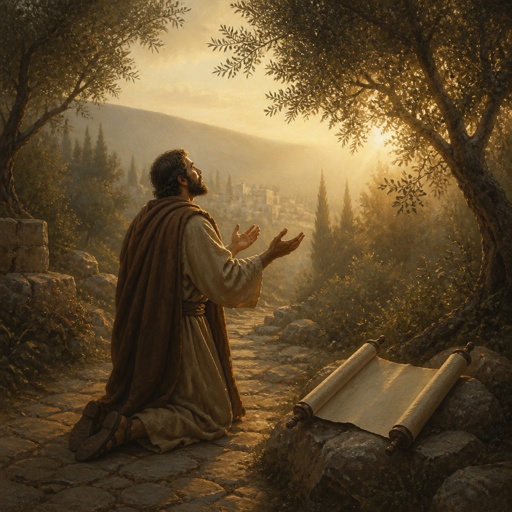
"I am thine, save me; for I have sought thy precepts." - Psalms 119:94
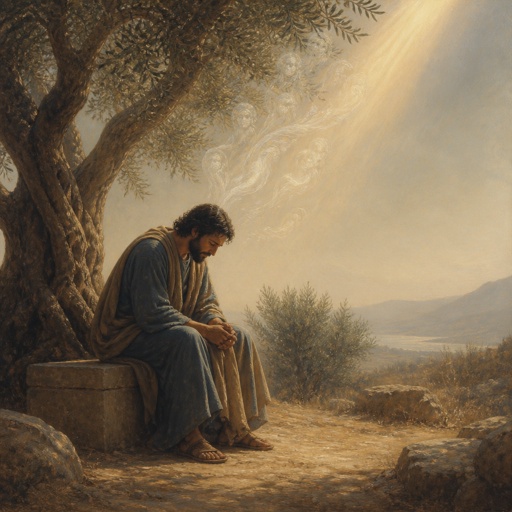
"The LORD knoweth the thoughts of man, that they are vanity." - Psalms 94:11
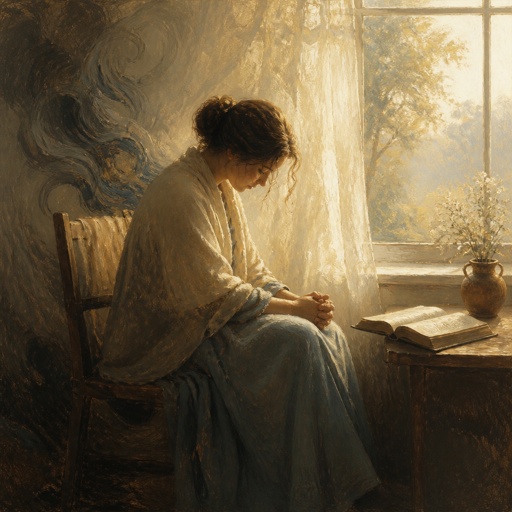
"In the multitude of my thoughts within me thy comforts delight my soul." - Psalms 94:19

Psalms 94:13 - "That thou mayest give him rest from the days of adversity, until the pit be digged for the wicked."

Psalms 94:9 - "He that planted the ear, shall he not hear? he that formed the eye, shall he not see?"

Psalms 94:17 - "Unless the LORD had been my help, my soul had almost dwelt in silence."

Psalms 94:4 - "How long shall they utter and speak hard things? and all the workers of iniquity boast themselves?"

Psalms 94:12 - "Blessed is the man whom thou chastenest, O LORD, and teachest him out of thy law;"
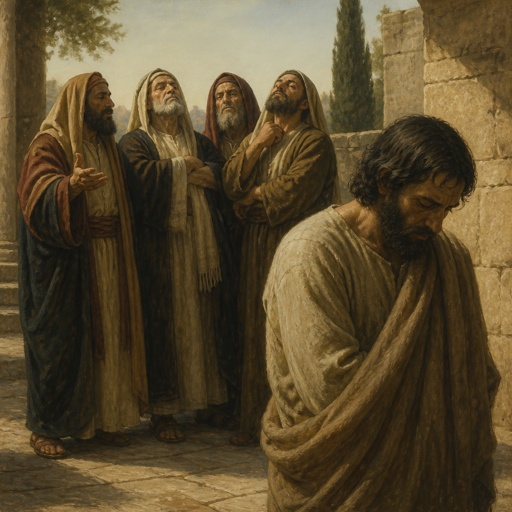
"How long shall they utter and speak hard things? and all the workers of iniquity boast themselves?" - Psalms 94:4

Psalms 94:10 - "He that chastiseth the heathen, shall not he correct? he that teacheth man knowledge, shall not he know?"

Psalms 94:1 - "O LORD God, to whom vengeance belongeth; O God, to whom vengeance belongeth, shew thyself."