What does Psalms 94:9 mean?
“He that planted the ear, shall he not hear? he that formed the eye, shall he not see?” — Psalms 94:9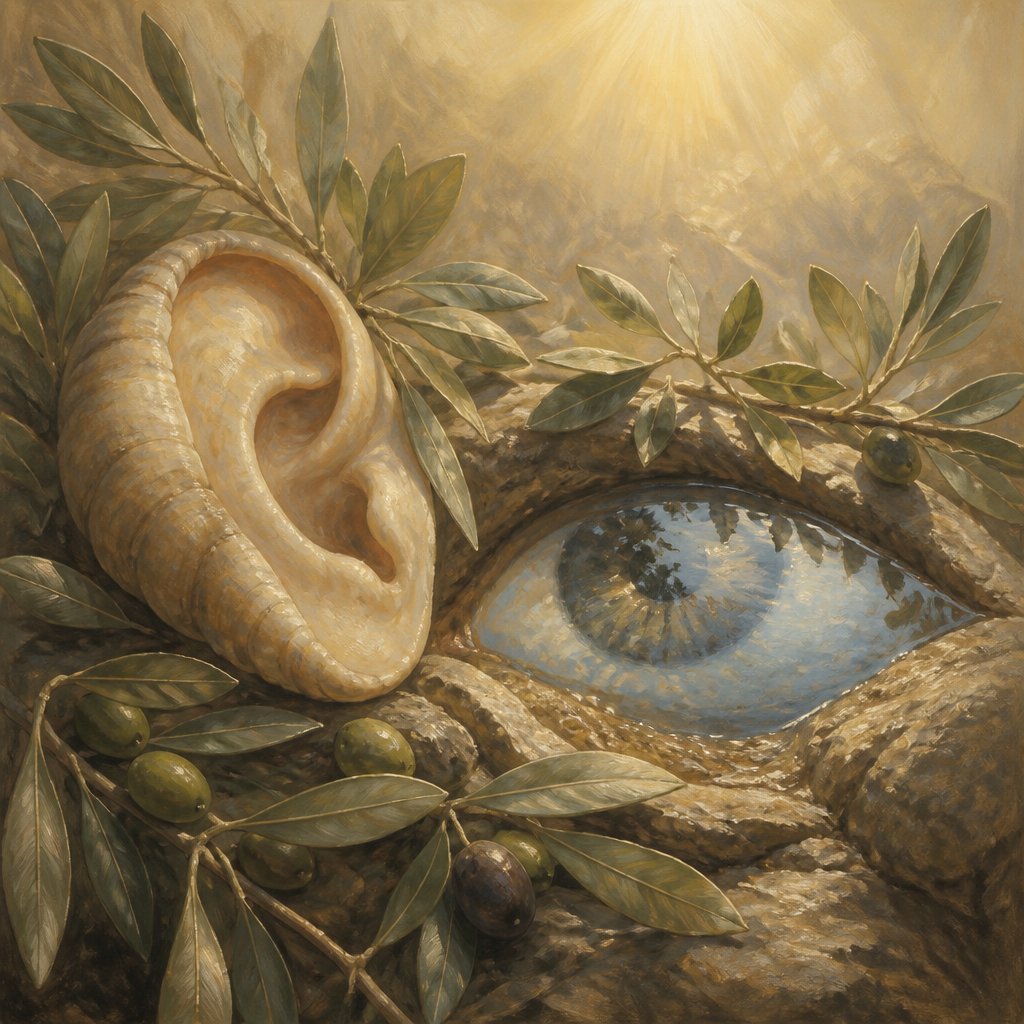
The Bible verse Psalms 94:9 in the King James Version (KJV) reads: “He that planted the ear, shall he not hear? he that formed the eye, shall he not see?” This verse comes from Psalm 94, which is a psalm of lament and longing for justice. The psalmist is grappling with the troubles and injustices of the world, expressing frustration and calling out to God for help and deliverance.
In this specific verse, the psalmist is drawing attention to the attributes of God as the omnipotent and omniscient creator. The imagery of God planting the ear and forming the eye emphasizes the intentional and deliberate design with which God created human beings. This verse reflects the psalmist’s belief that if God has given humans the ability to hear and see, then surely He must also be able to hear and see them in their time of need.
The theme of God’s omniscience and omnipresence is prevalent throughout the psalms, and this verse is no exception. The psalmist is affirming his faith in God’s ability to perceive and understand the struggles and suffering of his people. It serves as a reminder that God is not distant or indifferent to the plight of humanity, but rather intimately involved and attentive to the needs of His creation.
The passage also speaks to the themes of justice and righteousness. The psalmist is appealing to God’s inherent sense of justice, acknowledging that the same God who designed the faculties of hearing and seeing must also be capable of discerning right from wrong and acting on behalf of the oppressed. It reflects the psalmist’s understanding of God as a just and righteous ruler who will eventually set things right and bring about justice for those who are suffering.
Furthermore, the verse can also be interpreted as a call to attentiveness and mindfulness. Just as God is able to perceive and understand the world with precision, so too should His people strive to be attentive and observant. It serves as a reminder that our actions and intentions are seen and known by God, and that we should conduct ourselves accordingly.
The context of Psalm 94 as a whole is one of desperation and seeking refuge in God. The psalmist is expressing deep anguish and dismay at the prevalence of injustice and wickedness in the world. The psalmist seeks the reassurance of God’s presence and intervention, longing for deliverance from the oppression and persecution that surrounds him.
The symbolism of God planting the ear and forming the eye can also be seen as a metaphor for the intricacy and complexity of human beings. It reflects the belief that humans are fearfully and wonderfully made, with God’s intentional design and craftsmanship evident in every aspect of their being. This serves as a reminder of the inherent value and dignity of human life, as well as the responsibility to honor and care for the creation of God.
In conclusion, Psalms 94:9 in the King James Version conveys a profound meditation on the attributes of God, the themes of justice and righteousness, and the symbolism of human creation. It speaks to the intimacy of God’s involvement in the world, the need for attentiveness and mindfulness, and the deep longing for deliverance from suffering and oppression. This verse continues to resonate with believers as a source of comfort and reassurance in times of trouble, and a challenge to live in accordance with the will of the Creator.
Get our apps


Artwork for Psalms 94:9

Psalms 94:9 - "He that planted the ear, shall he not hear? he that formed the eye, shall he not see?"
"He that planted the ear, shall he not hear? he that formed the eye, shall he not see?" - Psalms 94:9

Psalms 94:19 - "In the multitude of my thoughts within me thy comforts delight my soul."

"They slay the widow and the stranger, and murder the fatherless." - Psalms 94:6

Psalms 94:16 - "Who will rise up for me against the evildoers? or who will stand up for me against the workers of iniquity?"

Psalms 94:11 - "The LORD knoweth the thoughts of man, that they are vanity."

Psalms 94:6 - "They slay the widow and the stranger, and murder the fatherless."

Psalms 94:22 - "But the LORD is my defence; and my God is the rock of my refuge."
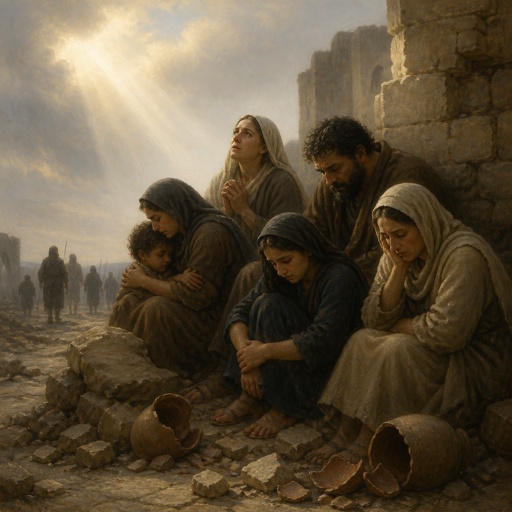
"They break in pieces thy people, O LORD, and afflict thine heritage." - Psalms 94:5

Psalms 94:21 - "They gather themselves together against the soul of the righteous, and condemn the innocent blood."
Psalms 94:5 - "They break in pieces thy people, O LORD, and afflict thine heritage."

Psalms 94:2 - "Lift up thyself, thou judge of the earth: render a reward to the proud."

Psalms 119:94 - "I am thine, save me; for I have sought thy precepts."

Psalms 94:14 - "For the LORD will not cast off his people, neither will he forsake his inheritance."

Psalms 94:3 - "LORD, how long shall the wicked, how long shall the wicked triumph?"
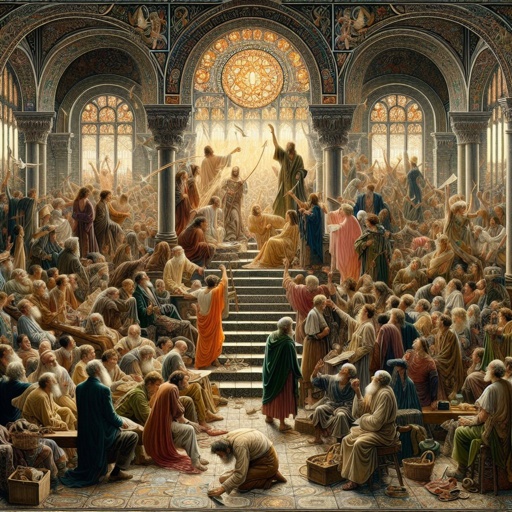
Psalms 94:8 - "Understand, ye brutish among the people: and ye fools, when will ye be wise?"

Psalms 94:7 - "Yet they say, The LORD shall not see, neither shall the God of Jacob regard it."

Psalms 94:20 - "Shall the throne of iniquity have fellowship with thee, which frameth mischief by a law?"

Psalms 94:15 - "But judgment shall return unto righteousness: and all the upright in heart shall follow it."
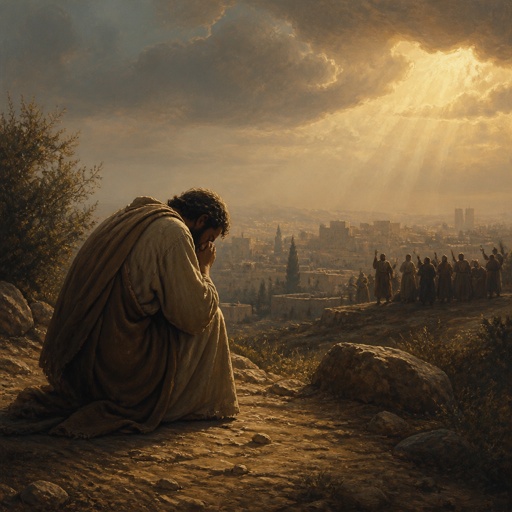
"LORD, how long shall the wicked, how long shall the wicked triumph?" - Psalms 94:3
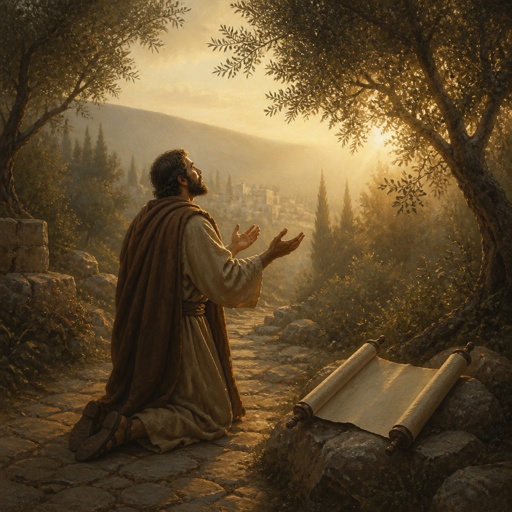
"I am thine, save me; for I have sought thy precepts." - Psalms 119:94
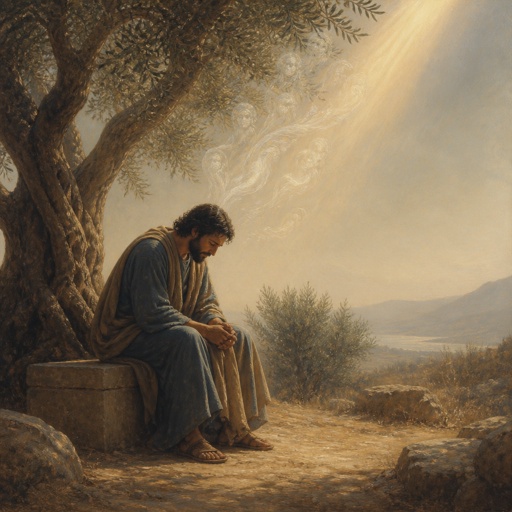
"The LORD knoweth the thoughts of man, that they are vanity." - Psalms 94:11
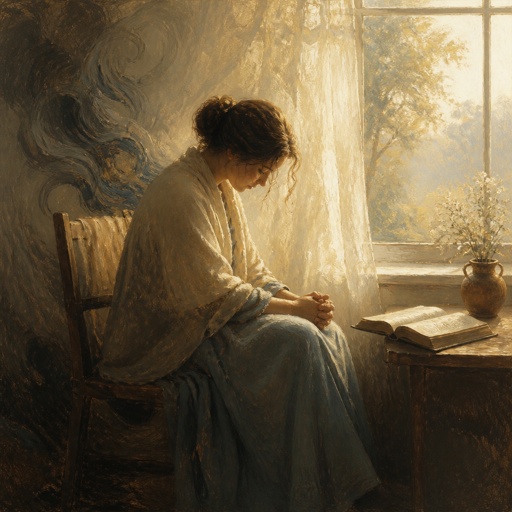
"In the multitude of my thoughts within me thy comforts delight my soul." - Psalms 94:19

Psalms 94:13 - "That thou mayest give him rest from the days of adversity, until the pit be digged for the wicked."

Psalms 94:17 - "Unless the LORD had been my help, my soul had almost dwelt in silence."

Psalms 94:4 - "How long shall they utter and speak hard things? and all the workers of iniquity boast themselves?"

Psalms 94:12 - "Blessed is the man whom thou chastenest, O LORD, and teachest him out of thy law;"
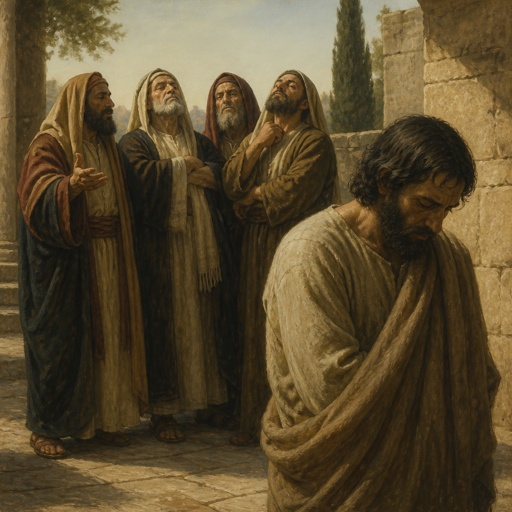
"How long shall they utter and speak hard things? and all the workers of iniquity boast themselves?" - Psalms 94:4

Psalms 94:10 - "He that chastiseth the heathen, shall not he correct? he that teacheth man knowledge, shall not he know?"

Psalms 94:1 - "O LORD God, to whom vengeance belongeth; O God, to whom vengeance belongeth, shew thyself."