What does Psalms 9:10 mean?
"And they that know thy name will put their trust in thee: for thou, LORD, hast not forsaken them that seek thee." - Psalms 9:10
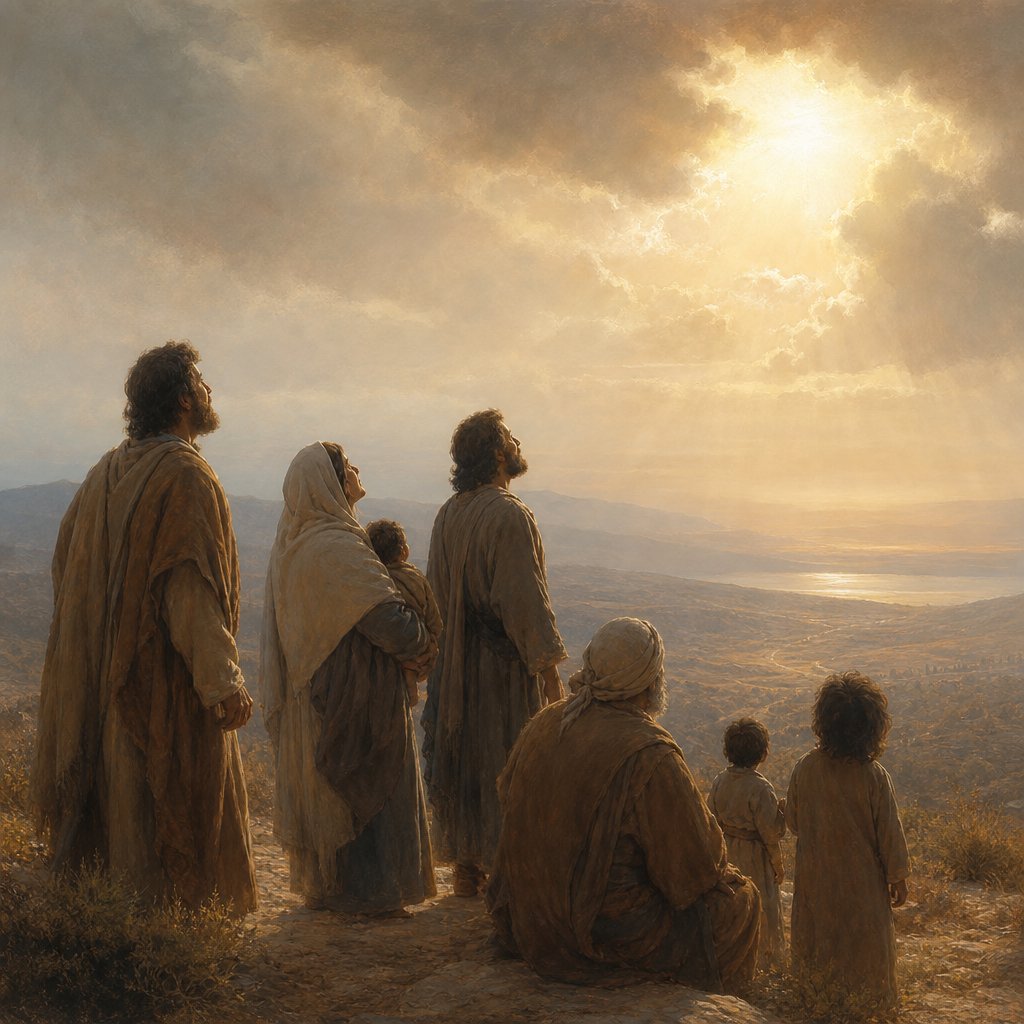
Psalm 9:10 in the King James Version reads, “And they that know thy name will put their trust in thee: for thou, LORD, hast not forsaken them that seek thee.”
In its plain meaning, the verse joins two realities together: what it means to truly know God, and what inevitably follows in the life of a person who knows Him. “They that know thy name” is not merely a reference to recognizing the word “LORD,” but to knowing what His name reveals about His character. In the Psalms, God’s “name” gathers up His reputation, His faithfulness, His holiness, His power to save, and His covenant mercy. To know His name is to have learned Him through His acts and His promises, to have discovered, by experience and by remembrance, who He is. Out of that knowledge arises a settled response: such people “will put their trust in thee.” The verse does not describe trust as a vague optimism or a momentary feeling, but as a reasoned, chosen reliance on the LORD because His name has proven true.
The second half explains why this trust is justified: “for thou, LORD, hast not forsaken them that seek thee.” Trust rests on history—on the consistent pattern of God’s dealings with those who come to Him. The statement is not that God’s people never feel alone, never suffer, or never endure long delays, but that God does not abandon seekers as though their pursuit of Him were meaningless. “Forsaken” is strong language, implying being left behind, deserted, or treated as no longer under care. The psalmist denies that this is God’s way with those who “seek” Him. Seeking, in biblical language, is not casual curiosity; it is an active turning of the heart toward God, a coming to Him for help, guidance, pardon, and refuge. The verse ties together God’s reliability and man’s response: God is the One who does not forsake; man is the one who seeks; between them is the bridge of trust.
In context, Psalm 9 is a psalm of praise and confidence amid oppression. David speaks of enemies, rebukes, and judgments, and he exalts the LORD as a righteous judge and a refuge for the oppressed. The surrounding lines declare that the LORD “will endure for ever,” that He has “prepared his throne for judgment,” and that He will judge “in righteousness.” Within that setting, Psalm 9:10 functions like a personal and communal anchor. When the world seems ruled by violence or when the wicked appear to triumph, the psalmist points the faithful away from appearances and toward the known character of God. Because the LORD judges rightly, remembers the afflicted, and governs forever, those who know Him are not acting irrationally when they trust Him; they are acting consistently with who He has shown Himself to be.
Several themes converge in this single sentence. One is the theme of revelation: God makes Himself known, and knowledge of Him is not abstract information but moral and spiritual recognition of His ways. Another is the theme of faith: trust is presented as the natural fruit of knowing God’s name. Another is the theme of perseverance in seeking: the verse honors those who continue to seek God even when circumstances give little encouragement. Underneath these is the covenant theme that runs through much of the Old Testament: the LORD binds His name to His people, and His faithfulness to His name becomes a foundation for their hope.
The verse also carries rich symbolism in its language. “Name” stands as a symbol of presence and character; to “know” the name is to know the Person behind it, as far as He has disclosed Himself. “Trust” is the inward leaning of the soul, the act of placing weight upon God as one would rest upon a sure foundation. “Seek” suggests motion and pursuit, a heart that refuses to settle for substitutes but turns toward the living God as its needed good. “Forsake” symbolizes ultimate abandonment and loss of protection; its denial is therefore a promise of continued divine regard even in hardship.
The significance of Psalm 9:10 is that it offers a theology of confidence rooted in God’s proven nature rather than in changing conditions. It teaches that faith is not blind, because it is grounded in what God’s name declares and what God’s history with seekers confirms. It invites the reader to see the spiritual logic of the righteous life: to know God truly is to trust Him, and to seek Him sincerely is to discover that He does not cast off those who come to Him. In the flow of Psalm 9, that assurance becomes strength for worship, courage against fear, and steadiness while waiting for justice, because the LORD who judges the world is the same LORD who does not forsake the soul that seeks Him.
Have questions about Psalms 9:10?
Dive deeper into this scripture with Bible Chat — an AI-powered tool for exploring God's Word through conversation. Ask questions, get context, and grow in your understanding of the Bible.
Get Our Apps


Psalms 9:10 Artwork

Psalms 9:10 - "And they that know thy name will put their trust in thee: for thou, LORD, hast not forsaken them that seek thee."

"And they that know thy name will put their trust in thee: for thou, LORD, hast not forsaken them that seek thee." - Psalms 9:10

"And they that know thy name will put their trust in thee: for thou, LORD, hast not forsaken them that seek thee." - Psalms 9:10
"And they that know thy name will put their trust in thee: for thou, LORD, hast not forsaken them that seek thee." - Psalms 9:10

psalms 92:10

Psalms 107:9

psalms 92:10

psalms 92:10

psalms 85:10

psalms 92:10
Psalm 10:9-10

Psalm 10:9-10

Psalms 10:10 - "He croucheth, and humbleth himself, that the poor may fall by his strong ones."

"The LORD also will be a refuge for the oppressed, a refuge in times of trouble." - Psalms 9:9

Psalms 10:9 - "He lieth in wait secretly as a lion in his den: he lieth in wait to catch the poor: he doth catch the poor, when he draweth him into his net."

Psalms 30:10 - "Hear, O LORD, and have mercy upon me: LORD, be thou my helper."

Psalms 29:10 (KJVA) 10 The LORD sitteth upon the flood; yea, the LORD sitteth King for ever.

Psalms 59:9 - "Because of his strength will I wait upon thee: for God is my defence."

Psalms 39:10 - "Remove thy stroke away from me: I am consumed by the blow of thine hand."

"Mountains, and all hills; fruitful trees, and all cedars:" - Psalms 148:9

"Beasts, and all cattle; creeping things, and flying fowl:" - Psalms 148:10

Psalms 9:5 - "Thou hast rebuked the heathen, thou hast destroyed the wicked, thou hast put out their name for ever and ever."

Psalms 107:9

Psalms 9:14 - "That I may shew forth all thy praise in the gates of the daughter of Zion: I will rejoice in thy salvation."

Psalms 16:10 - "For thou wilt not leave my soul in hell; neither wilt thou suffer thine Holy One to see corruption."

Psalms 9:9 - "The LORD also will be a refuge for the oppressed, a refuge in times of trouble."

"They kept not the covenant of God, and refused to walk in his law;" - Psalms 78:10

psalms 92:10

psalms 92:10

Psalms 107:9